No products in the cart.

No products in the cart.

No products in the cart.

Biotech
[ April 11, 2025 by vasoula2025 0 Comments ]

MicroTechWeek 2022

Microbial Technologies Week

7–11 November 2022

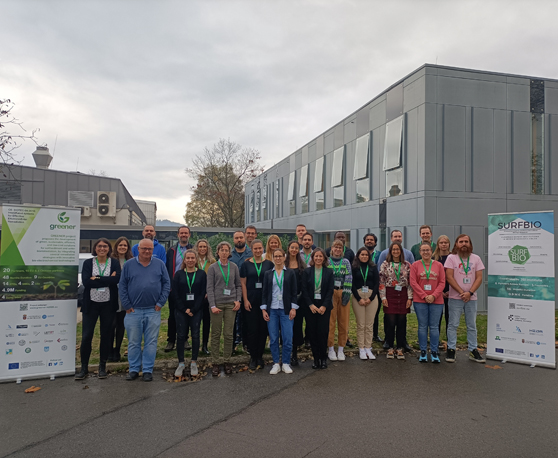
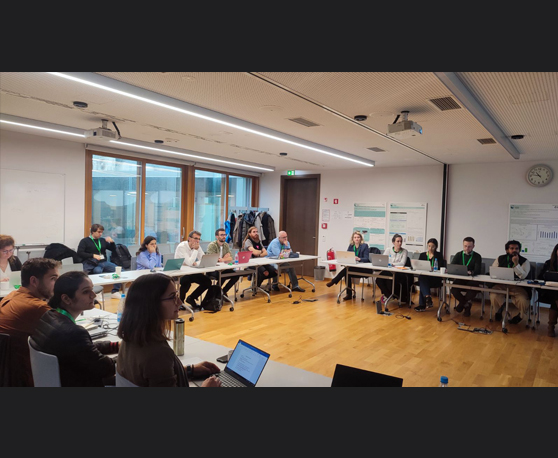
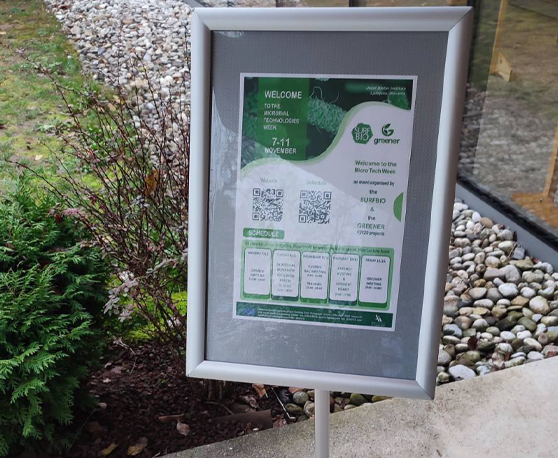
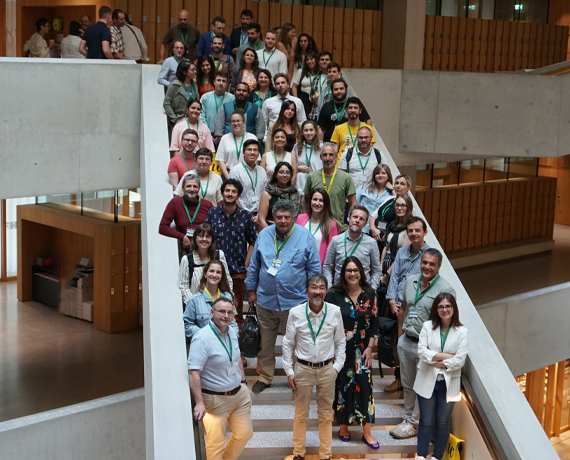
The Microbial Technologies Week held from 7–11 November at the Jožef Stefan Institute (JSI) in Ljubljana, Slovenia, was a resounding success, bringing together over 100 participants from across Europe who are passionate about microbiology, bioremediation, and environmental innovation!

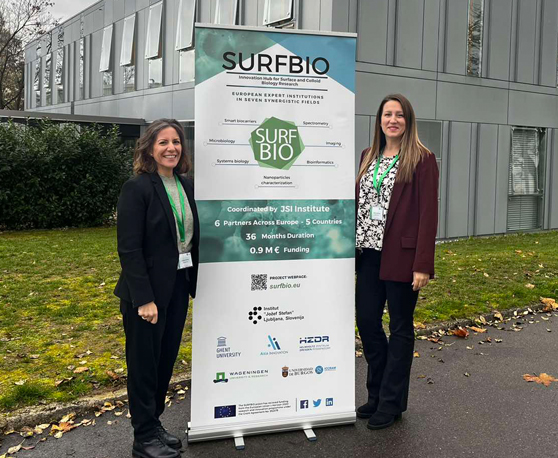
Organised by EXELISIS, UBU, and JSI, partners of the SURFBIO and GREENER projects, this 5-day event served as a vibrant hub for knowledge exchange and collaboration among policy makers, academic researchers, industry experts, students, and young scientists. The overarching aim was to foster cross-sectoral dialogue, present groundbreaking research in microbial technologies, and explore new pathways for impactful EU collaboration.

Throughout the week, the agenda was packed with engaging and forward-looking activities:

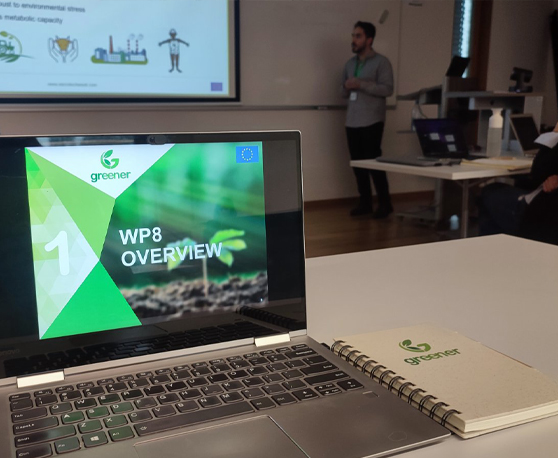
  • Consortium meetings for both SURFBIO and GREENER, strengthening internal collaboration and reviewing project milestones.
  • A highly engaging industry workshop, where European companies showcased their innovative approaches and discussed future applications of microbial solutions in real-world contexts.
  • A hands-on lab training, led by international professors, that allowed attendees to explore state-of-the-art techniques in microbiology and bioremediation, further bridging the gap between theory and practice.

By the end of the week, the event had not only strengthened connections between EU-funded projects and their stakeholders, but also laid the groundwork for new initiatives in microbial surface technologies, environmental biotechnology, and sustainable applications.

THE TOP MOMENTS
of a successful conference

past events Background Pic
[ April 10, 2025 by vasoula2025 0 Comments ]

Satellite event at the Bioremid 2023 conference

Satellite event at the Bioremid 2023 conference

28 June 2024, Muttenz, Switzerland 

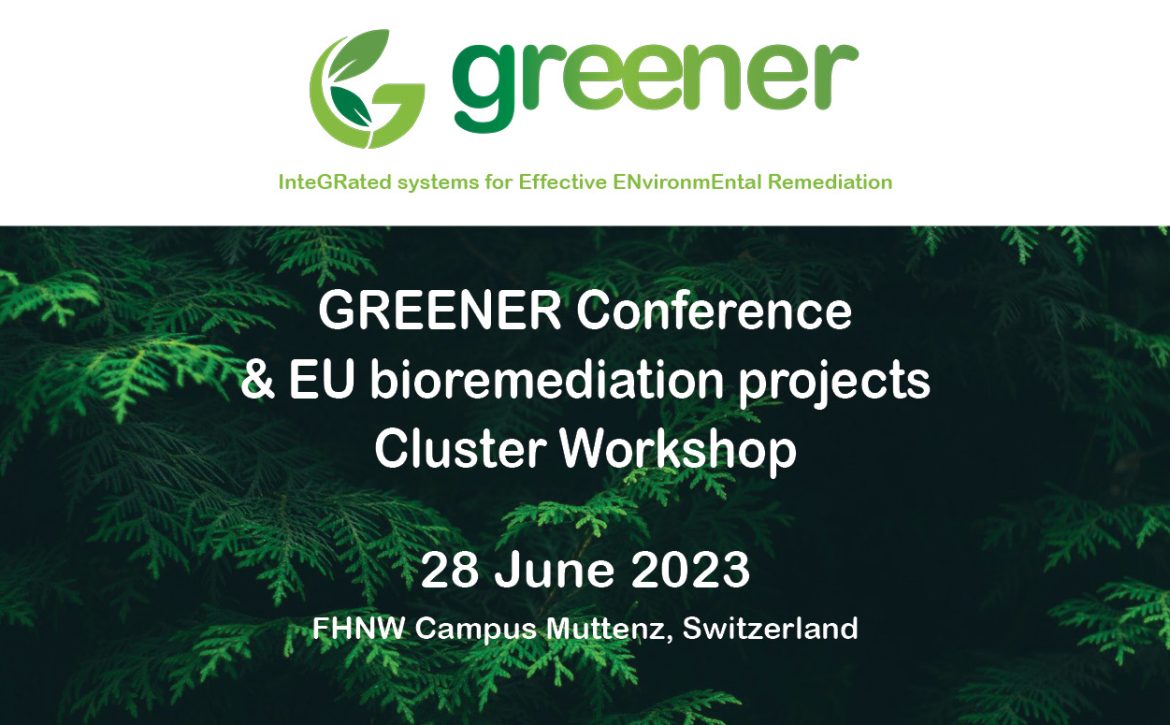
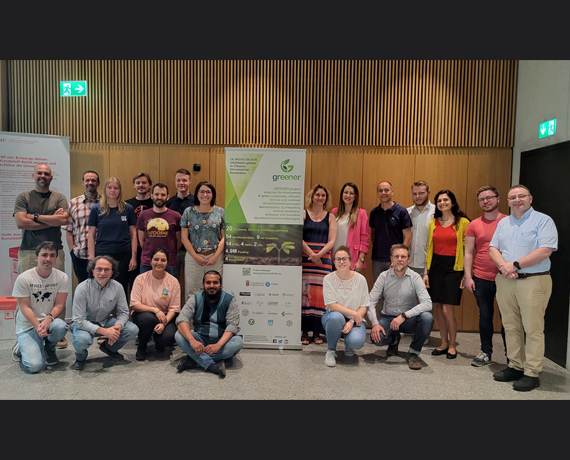
The GREENER 2023 Conference, was organised by EXELISIS as the Dissemination Manager of the GREENER Project H2020. The event focused on Effective Environmental Bioremediation contributing to healthier soils, cleaner groundwater, and improved air quality. Unlike conventional remediation technologies, bioremediation offers an environmentally friendly method to remove contaminants from the environment. It leverages natural processes and utilises microorganisms (such as bacteria, fungi, and algae) to remediate the environment without harming delicate ecosystems. As a clean, cost-effective, and green strategy, bioremediation is crucial in achieving Europe’s zero pollution goals. 

The event was held as a satellite session of BioRemid 2023 conference, on 28th June 2023, and brought together the GREENER project and six other EU-funded endeavors — BIOSYSMO, NYMPHE, MIBIREM, EiCLAR, SYMBIOREM, and ELECTRA.  

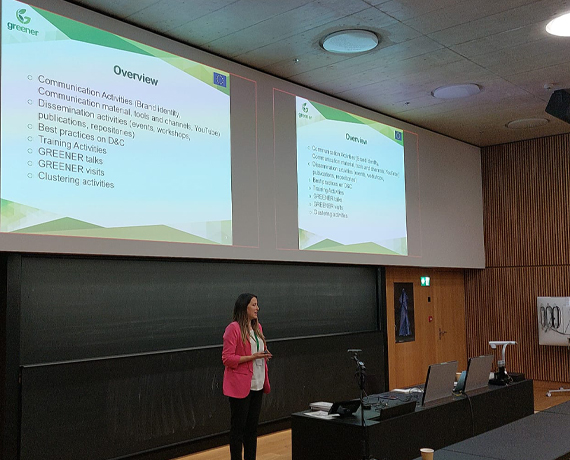
The conference provided a comprehensive overview of the GREENER project, highlighting its main results and achievements. It showcased the integration of several innovative approaches, such as bio-electrochemical hybrid systems, including soil microbial fuel cells, bioaugmentation, and biostimulation. Additionally, the conference covered bio-electrochemical systems combined with phytoremediation techniques. A significant focus was on long-term ecopiles, emphasising collaboration between the EU and China. The selection of GREENER soil and water technologies for scaling-up was also discussed, demonstrating the project’s commitment to advancing sustainable environmental solutions. 

A workshop from the EU bioremediation cluster followed the GREENER conference and included brief presentations from cluster project coordinators. The newly launched Horizon Europe projects will outline their planned bioremediation innovations, while the Horizon 2020 projects will share key outcomes of their initiatives. The workshop concluded with a technical discussion on the role of bioremediation in restoring Europe’s environment and supporting its zero-pollution ambitions. 

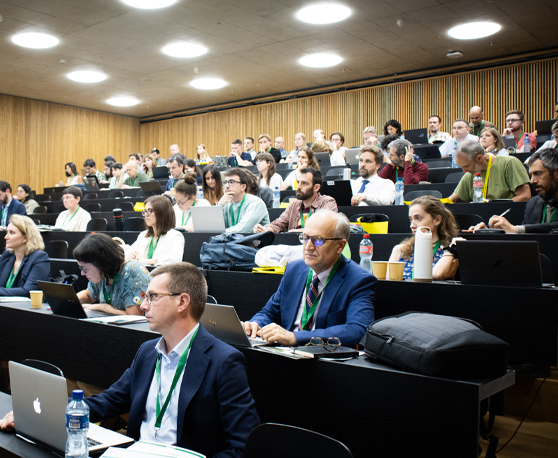
With over 100 participants, the event facilitated the exchange of insights on bioremediation techniques, highlighting our dedication to fostering environmental progress.  

Check out the AGENDA of this event! 

THE TOP MOMENTS
of a successful conference

1080×558 pol
[ February 20, 2025 by vasoula2025 0 Comments ]

Polymers Conference 2024

Polymers 2024

– Polymers for a Safe and Sustainable Future

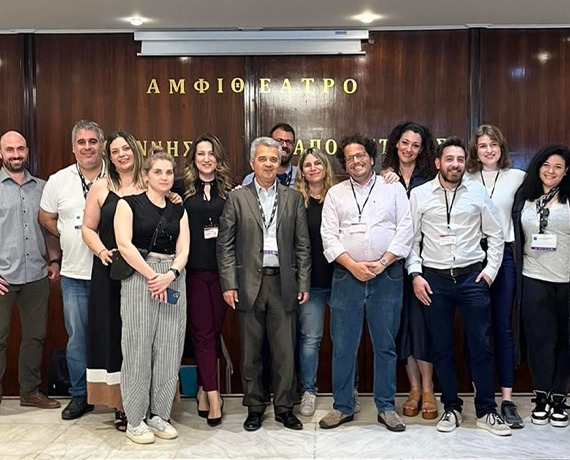
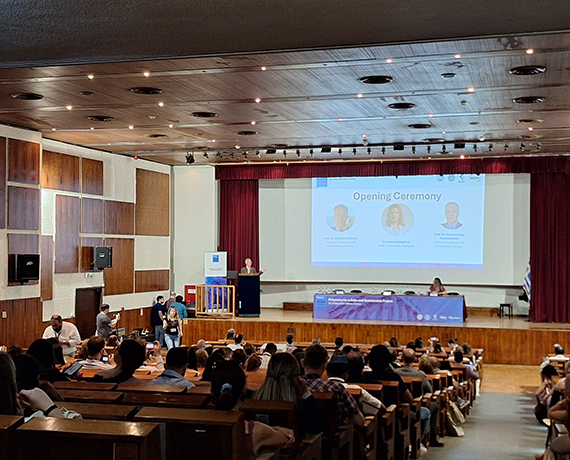
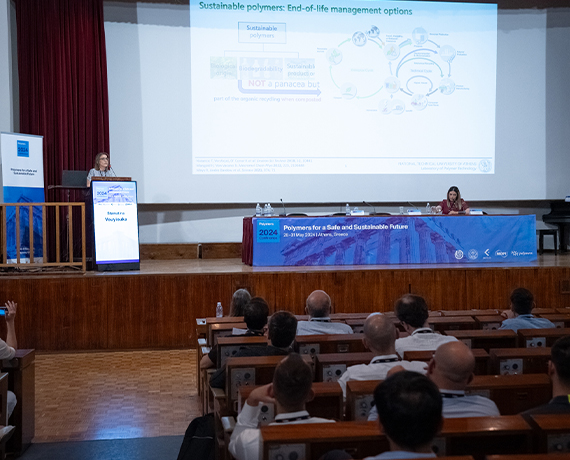
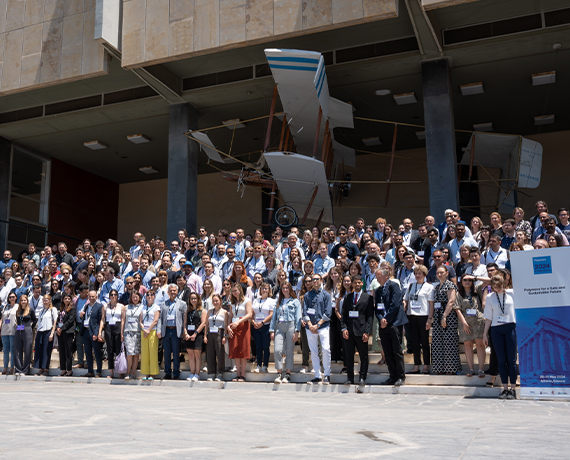
The Polymers 2024 Conference, co-organised by EXELISIS, Aristotle University of Thessaloniki (AUTH), and MDPI, took place from May 28-31 2024, at the War Museum of Athens, brought together leading experts, researchers, and industry professionals in polymer science.

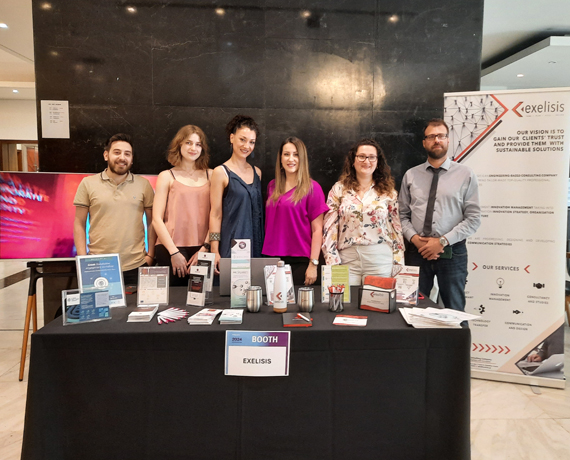
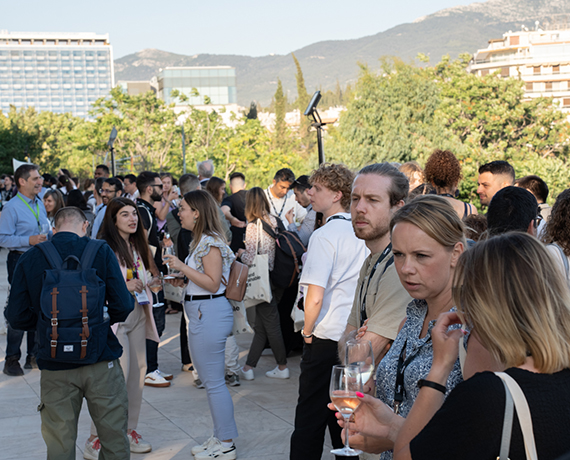
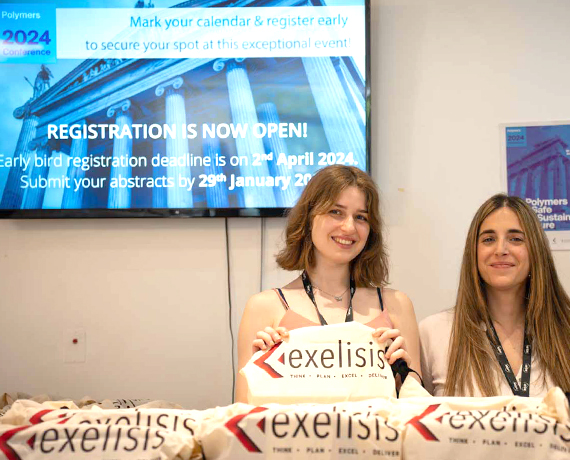
EXELISIS actively contributed throughout the event, while also engaging attendees at its booth. The conference featured insightful presentations, dynamic poster sessions, and networking opportunities, including a vibrant cocktail reception with traditional Greek dances.

The highlight of the final day was the Greek Stakeholder Engagement Workshop, organised by EXELISIS, AUTH, and RDC Informatics, emphasising knowledge transfer and innovation.

With over 300 participants, Polymers 2024 fostered valuable discussions, collaborations, and industry advancements.

Check out the book of abstracts!

THE TOP MOMENTS
of a successful conference

emove Background Pic
[ October 14, 2018 by vasoula2025 0 Comments ]

Conference on lightweight automotive components

FLAMINGo Final Conference at eMove 360°

15 October 2024, Munich, Germany

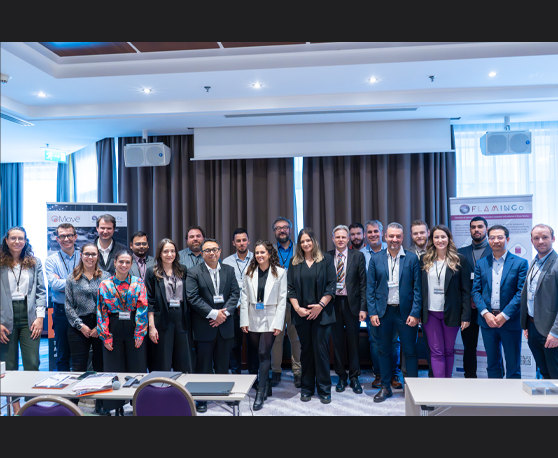
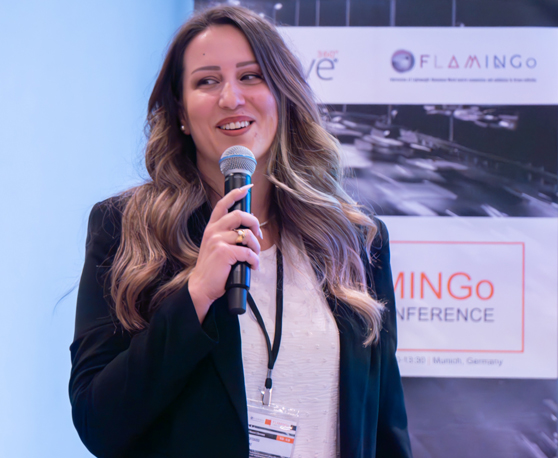
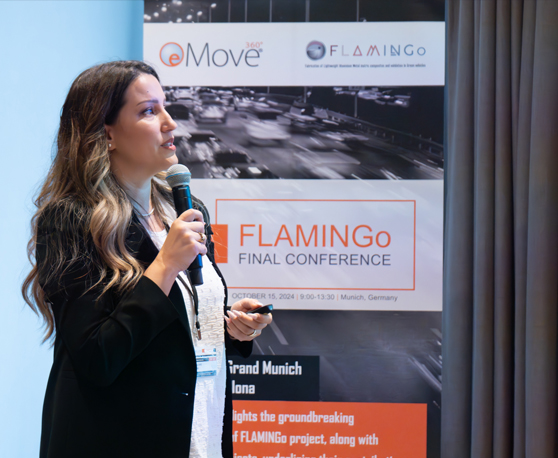
EXELISIS was a proud member of the organisational team of the FLAMINGo Final Conference held in parallel with the eMove 360° Conference and Exhibition, that took place in Munich (15 October 2024). This event brought together leading experts and innovators in the field of lightweight materials, with a special focus on groundbreaking advancements in Lightweight Aluminium Metal Matrix Nano Composites (Al MMnC) for electric vehicles’ components.


Event Highlights

The discussion encompassed a diverse array of topics, beginning with the pivotal role of nanoparticles in Aluminium Metal Matrix Composites (Al MMC). These nanoparticles, such as silicon carbide (SiC) and aluminum oxide (Al2O3), significantly enhance the mechanical properties of Al MMCs. The manufacturing process of extruded Al-MMnC was examined, highlighting the precision and complexity achievable through extrusion techniques, while the advanced design and manufacturing techniques for cast Al-MMnC that were used under FLAMINGo were also presented.


Real-world validation cases by ALKE showcased practical applications of these advanced materials in automotive parts, demonstrating their effectiveness and potential for widespread adoption. Circularity approaches within the FLAMINGo Project were emphasised, underscoring the importance of sustainability through lifecycle assessments and circular economy principles aimed at minimising environmental impact and enhancing resource efficiency. The achievements and impacts of FLAMINGo on sustainable mobility were reviewed, highlighting the development of lightweight, high-performance materials for green vehicles and their contribution to advancing sustainable transportation. Outreach success stories illustrated effective communication and engagement strategies that have promoted the project’s goals and achievements. Finally, innovation opportunities and future directions were explored, including advancements in artificial intelligence, new manufacturing techniques, and the potential for further enhancing the properties and applications of Al MMCs.

We were also honored to host invited speakers from several related EU-funded projects, including COLLABAT, MULTHEM, Flexcrash, ENLIGHT EVs, ZEvRA, ALMA, REVOLUTION, Fatigue4Light, LEVIS, and MIMOSA. These projects further showcased innovation across various aspects of sustainability, mobility, and advanced materials. This conference was a testament to the collaborative spirit and innovative drive within the lightweight materials community.

THE TOP MOMENTS
of a successful conference

BIOKETnew
[ October 13, 2018 by vasoula2025 0 Comments ]

Satellite event organisation at BIOKET 2025

Satellite event organisation at BIOKET 2025

11-13 March 2025, Brussels, Belgium

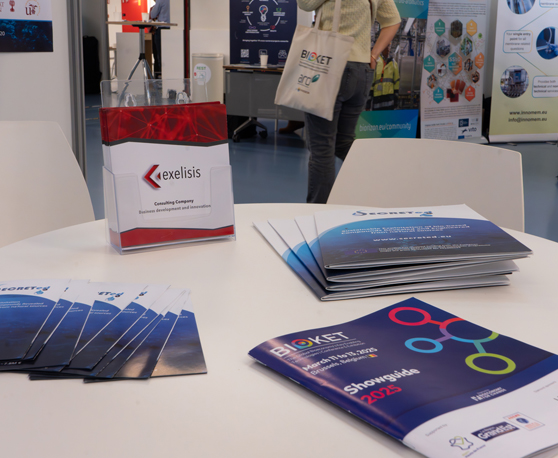
The final event of the SECRETed project marked a significant milestone in Brussels, Belgium, where it was held in conjunction with the BIOKET 2025 Conference & Exhibition from March 11–13, 2025. Known for spotlighting innovation in the bioeconomy, BIOKET drew an impressive crowd, with 619 participants, 58 sponsors and exhibitors, 16 start-ups, 20 pitch sessions, and a remarkable 1,290 B2B meetings, underlining its status as a major event in the sector.

EXELISIS, as dissemination manager of the SECRETed project, organised a satellite event titled: “Unlocking the Potential of Marine Biotechnology for Bioactive Compounds Production”. SECRETed project was a Gold Sponsor of the event, leveraging the opportunity to connect with a broad network of stakeholders.


Key Highlights at BIOKET 2025

SECRETed’s strong presence was marked by a series of strategic engagement activities, orchestrated by EXELISIS:

  • Exhibition Booth: The project’s booth drew considerable interest, facilitating in-depth discussions about its results and prospects for future partnerships.
  • Conference Bag Materials: Every BIOKET attendee received a branded folder, flyer, pen, and program from SECRETed — a simple but effective tool for boosting project visibility.
  • Poster Session: Two insightful posters from consortium members showcased the project’s technical advancements and sustainability outcomes.
THE TOP MOMENTS
of a successful conference

MICROBETECH
[ October 12, 2018 by vasoula2025 0 Comments ]

EXELISIS Co-organised MicrobeTech 2025: A European Event on Microbial Biotechnology

EXELISIS Co-organised MicrobeTech 2025: A European Event on Microbial Biotechnology

27-29 May 2025, Ljubljana, Slovenia

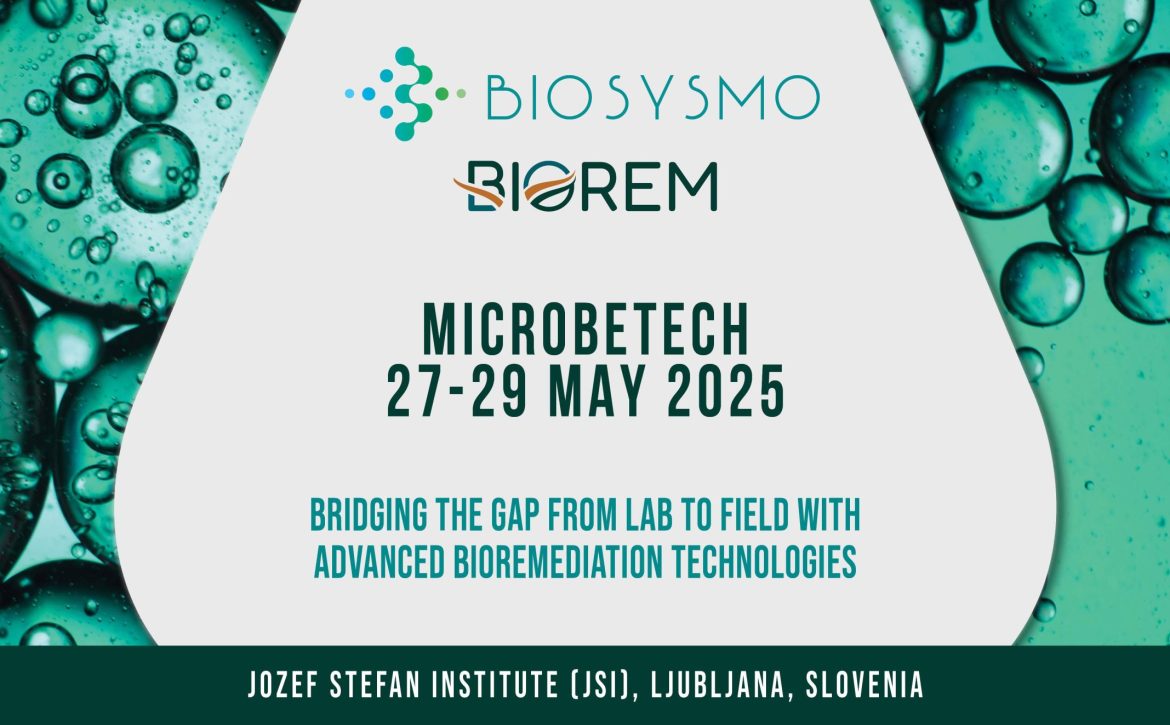
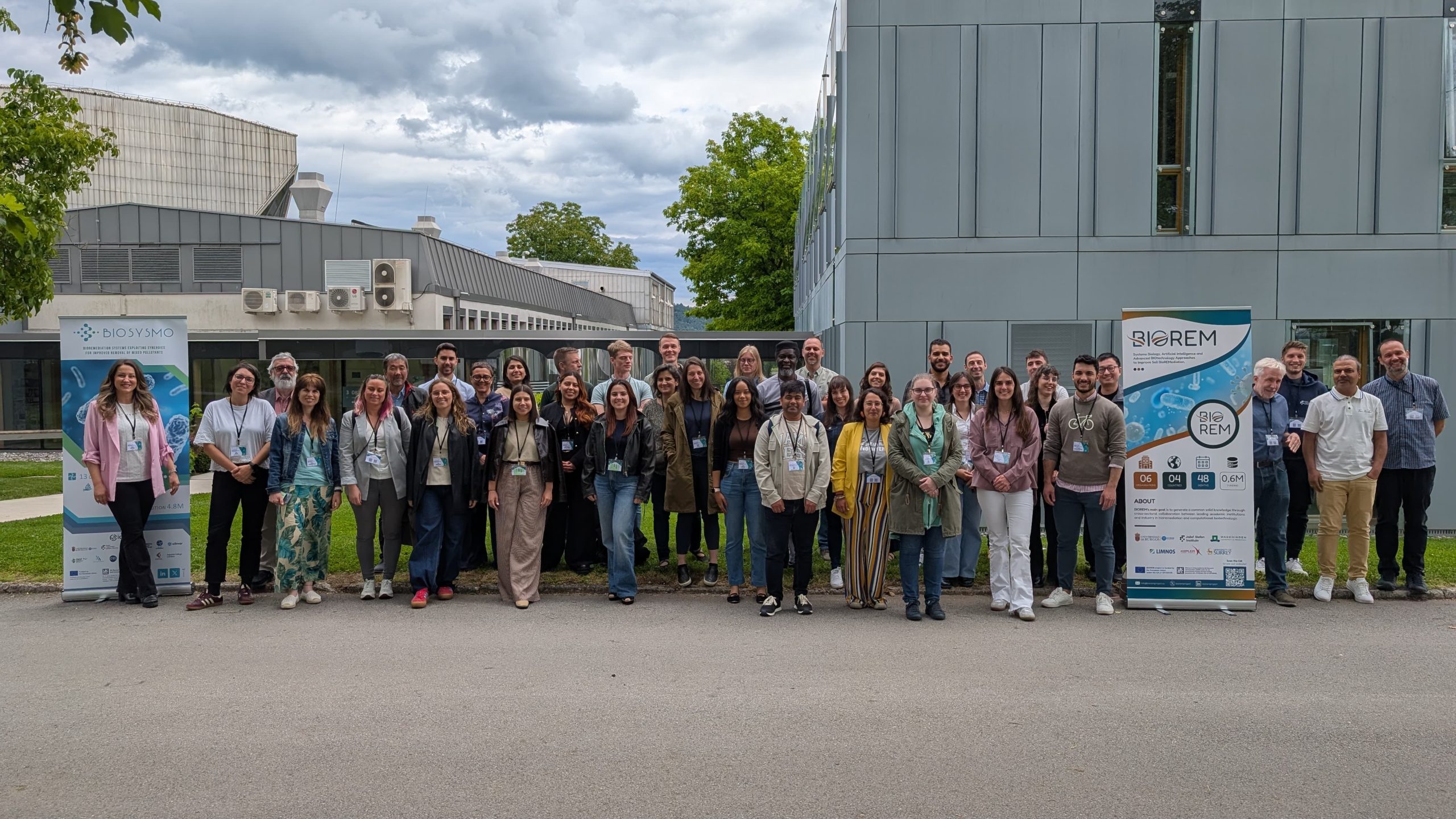
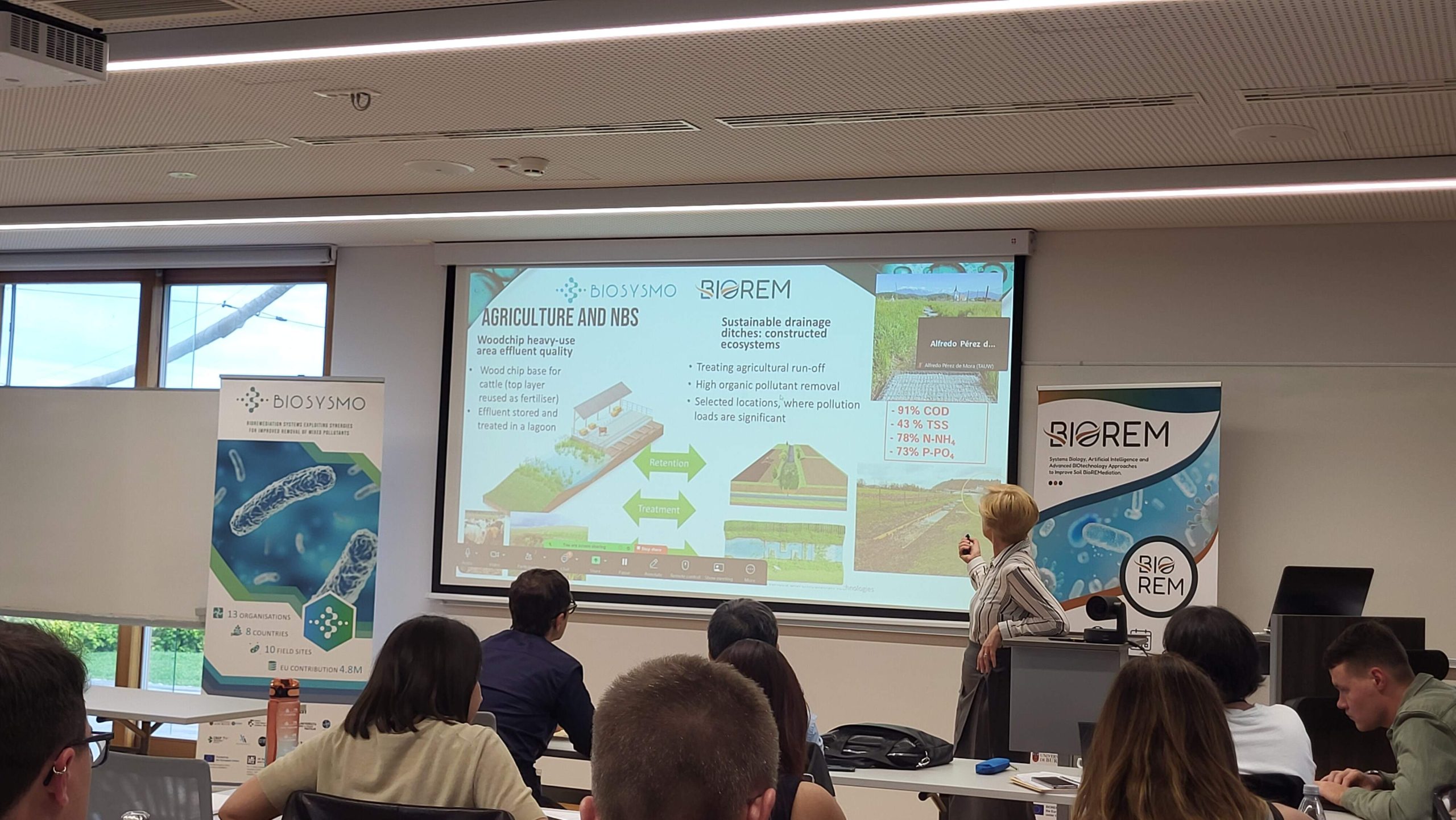
From May 27 to 29, 2025, EXELISIS co-organised the MicrobeTech 2025 European event, held at the Jožef Stefan Institute (JSI) in Ljubljana, Slovenia. The event was a joint initiative coordinated by JSI, the University of Burgos (UBU), IDENER, and EXELISIS with the support of the BIOSYSMO and BIOREM projects.

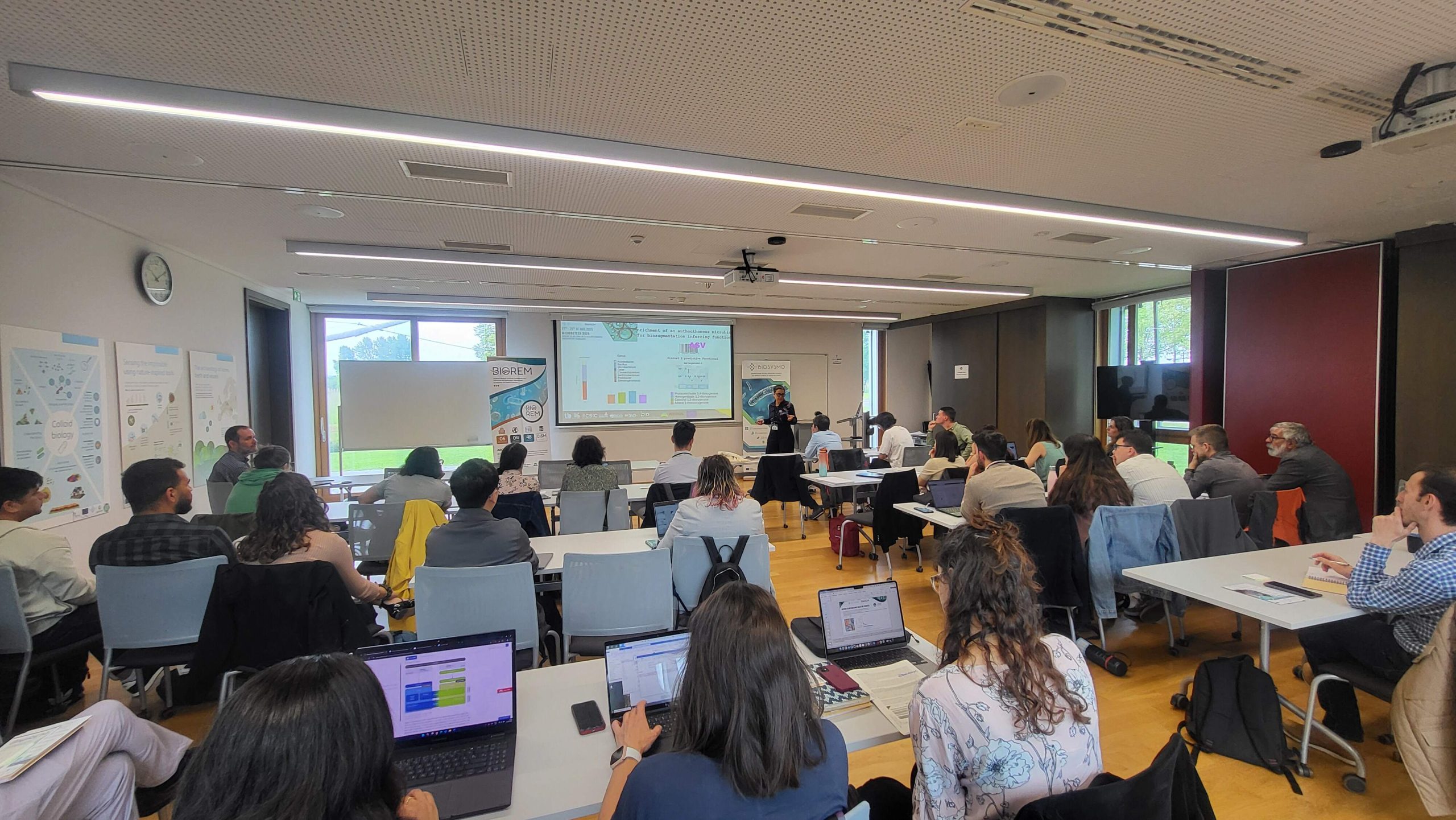
MicrobeTech 2025 attracted over 120 participants and offered a rich three-day programme focused on microbial biotechnology, sustainability, and advanced technologies. The event aimed to foster knowledge exchange and collaboration across disciplines, with a particular emphasis on the latest developments in bioremediation methodologies and the future of the field.

The scientific programme was curated by a dedicated committee composed of Ales Lapanje (JSI), Rocío Barros (UBU), Sara Gil (IDENER), and Tomaz Rijavec (JSI). Their expertise ensured the delivery of a high-quality event. The organising committee also included communication managers from the BIOSYSMO and BIOREM projects: Ioanna Katsavou (EXELISIS) and Beatriz Lapuente (UBU).

Programme Highlights

Tuesday, May 27
The opening day featured an international workshop with 17 presentations from experts representing universities, research centres, and companies across Europe. The sessions were structured into four thematic blocks:

  • Bridging the Lab-Field Gap in Bioremediation
  • Microbial Deployment Strategies
  • Expanding Applications Beyond Bioremediation
  • Challenges, Regulation and Future Directions

Speakers included representatives from institutions such as IRNAS-CSIC, University of Pisa, University of Bologna, University of Milan, University of Surrey, University of Applied Sciences of Switzerland, and Imperial College London, as well as companies like Kepler and Leitat.

Wednesday, May 28
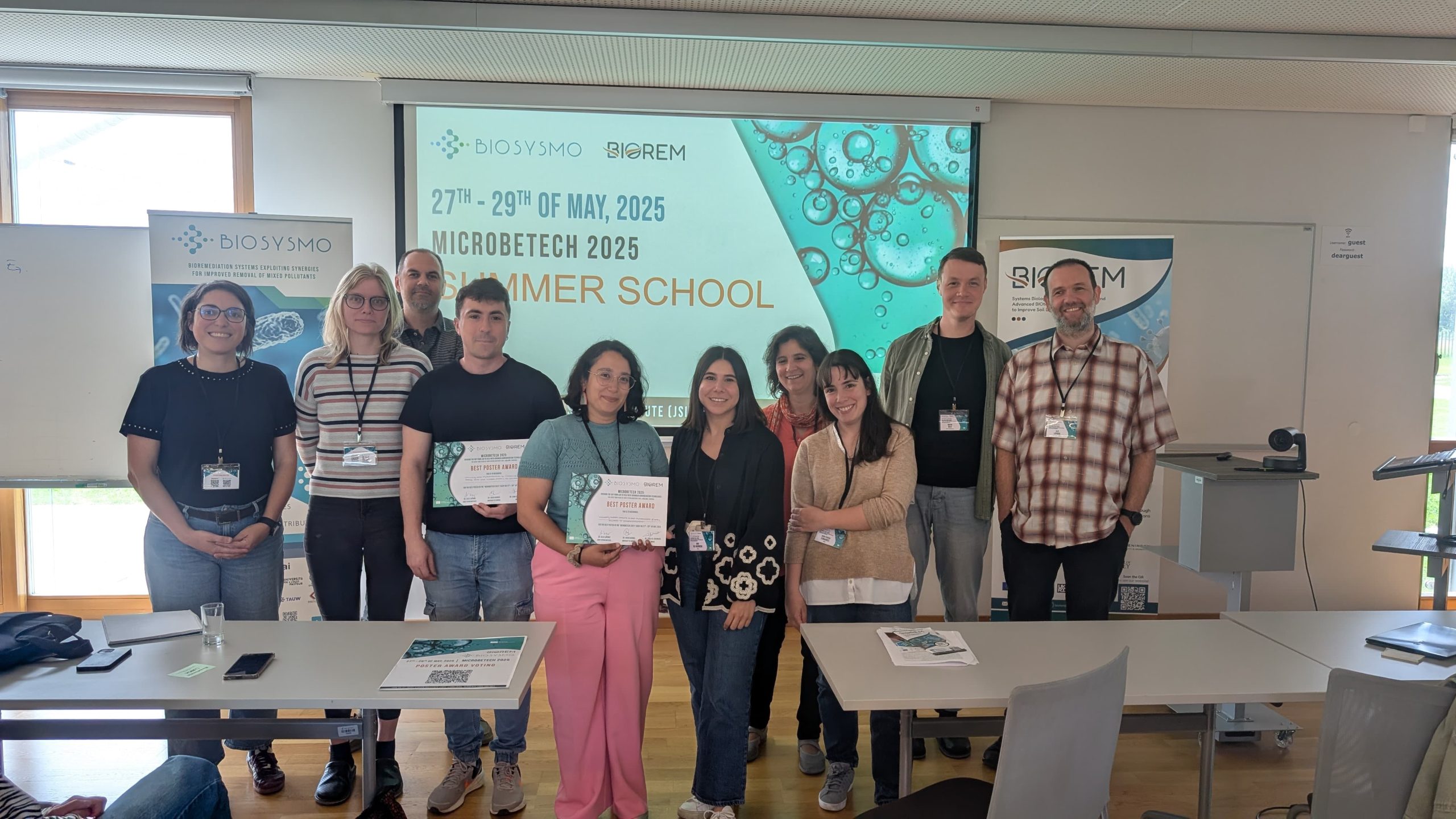
The second day of MicrobeTech 2025 was dedicated to early-career researchers, with a special focus on PhD students and young scientists working in the field of microbial biotechnology. The day featured a summer school programme designed to provide advanced training and foster knowledge exchange between emerging researchers and established experts.

The morning began with a series of high-level presentations:

  • Cristina Esteban (BIOSCAYLE) opened the session with a talk titled “Evolving Bioinformatics:
  • Following this, Akanksha Mishra, Alejandro González Brincau, and Marta Franco (IDENER) presented “From Omics to Models: Extracting Functional Information for Bioremediation Design”.

After a short coffee break, the programme continued with:

  • Marco Candela (University of Bologna) delivering a talk on “Constructing Networks in Microbiome Science: Advancing Our Understanding of Microbial Ecology and Behavior”.
  • The morning concluded with Ana Paula, who presented “Microbial-Assisted Phytoremediation: Tackling Pollution in Saltmarshes”. T

In the afternoon, participants joined a field trip to Idrija, a UNESCO World Heritage site known for its historical mercury mine. The visit provided a unique opportunity to connect theoretical knowledge with real-world environmental challenges, particularly in the context of heavy metal contamination and site remediation.


Thursday, May 29
The final day focused on networking and technical meetings between teams from the BIOSYSMO and BIOREM projects, aimed at strengthening collaboration and advancing shared goals. Poster sessions ran throughout the event, showcasing cutting-edge research from across Europe.

Find out more: https://www.biosysmo.eu/microbetech-2025/

1080×558 spe
[ November 19, 2017 by vasoula2025 0 Comments ]

SPE2025

THANK U
for Being Part of
– SPE 2025 –

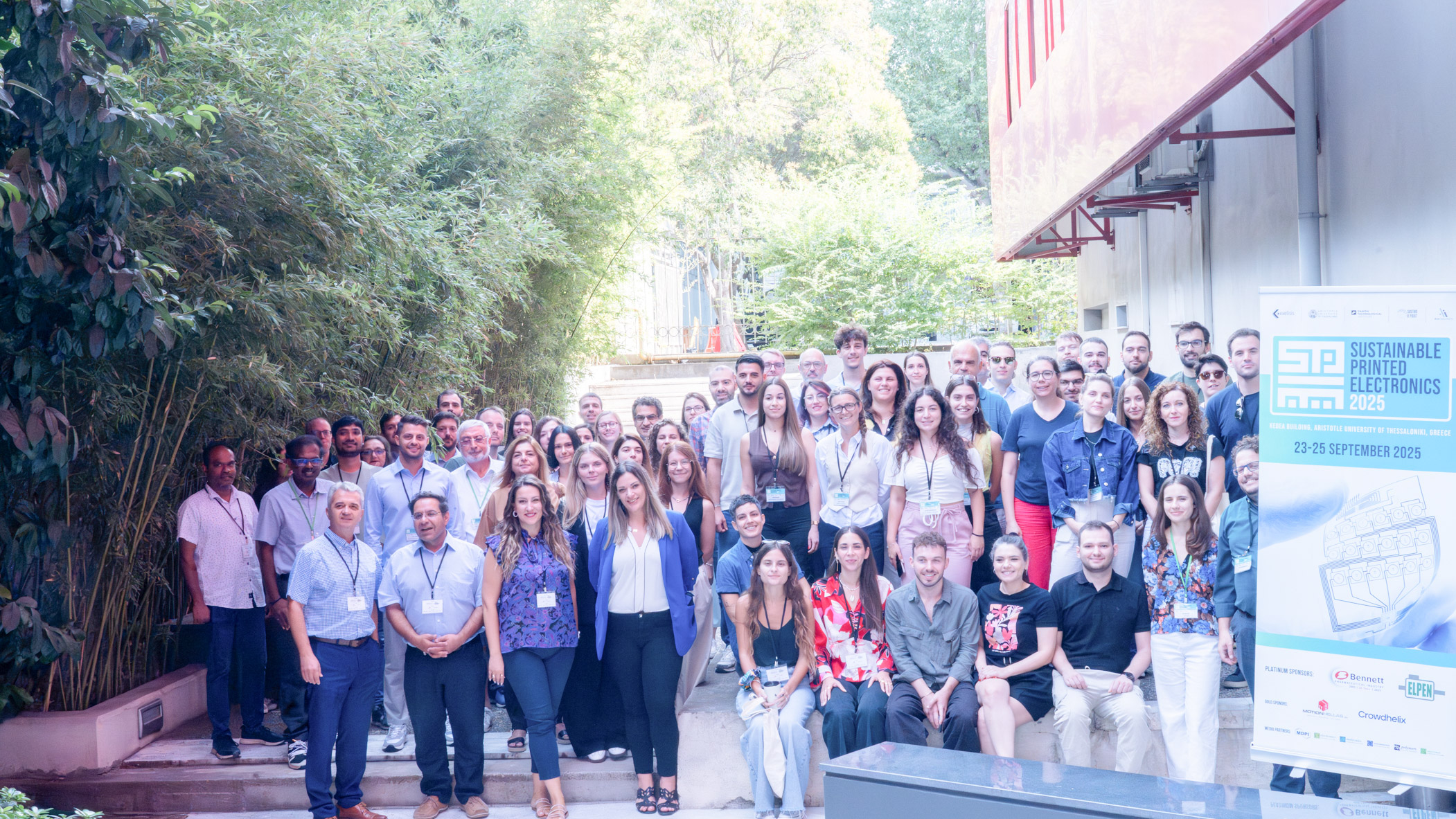
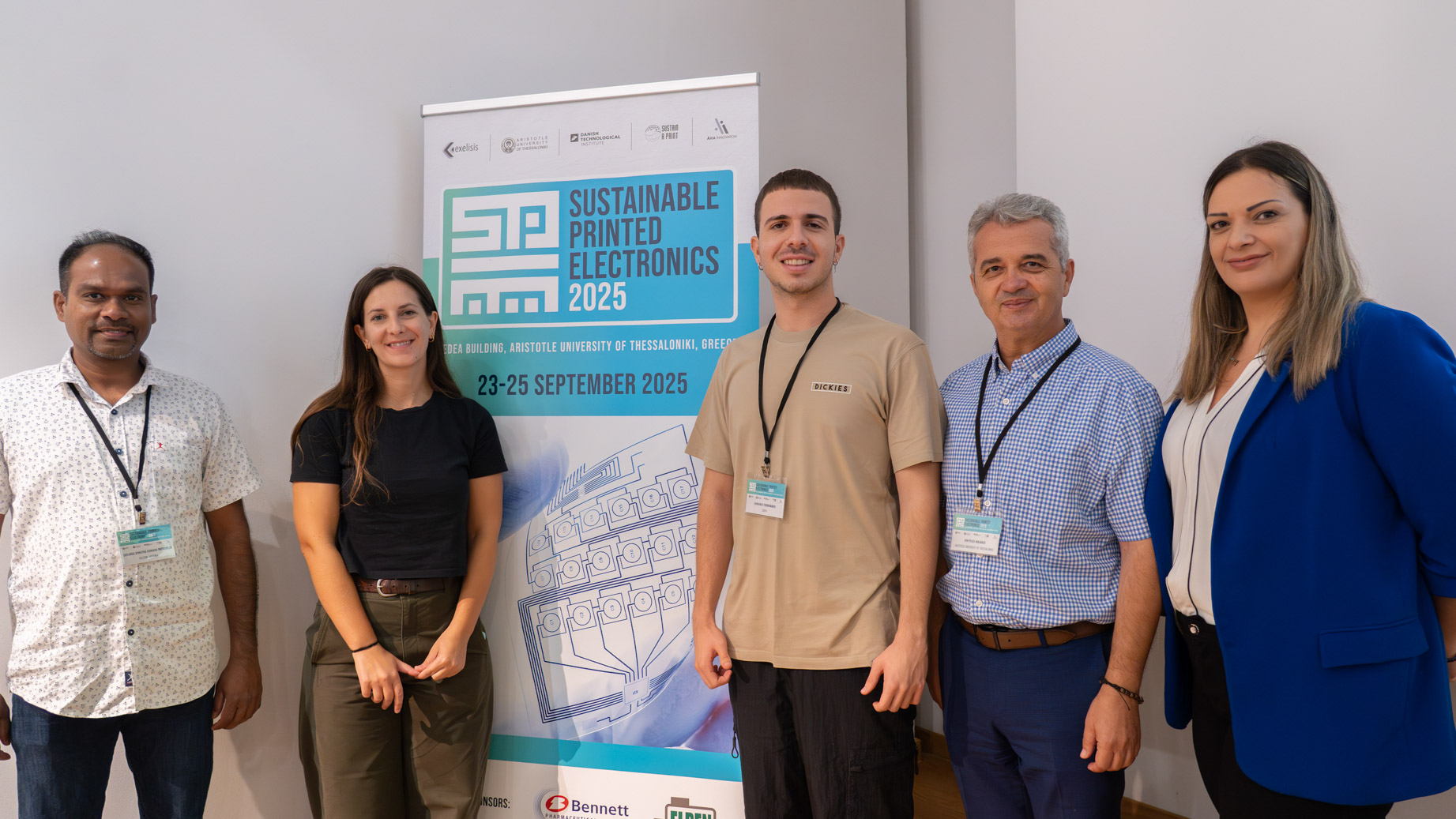
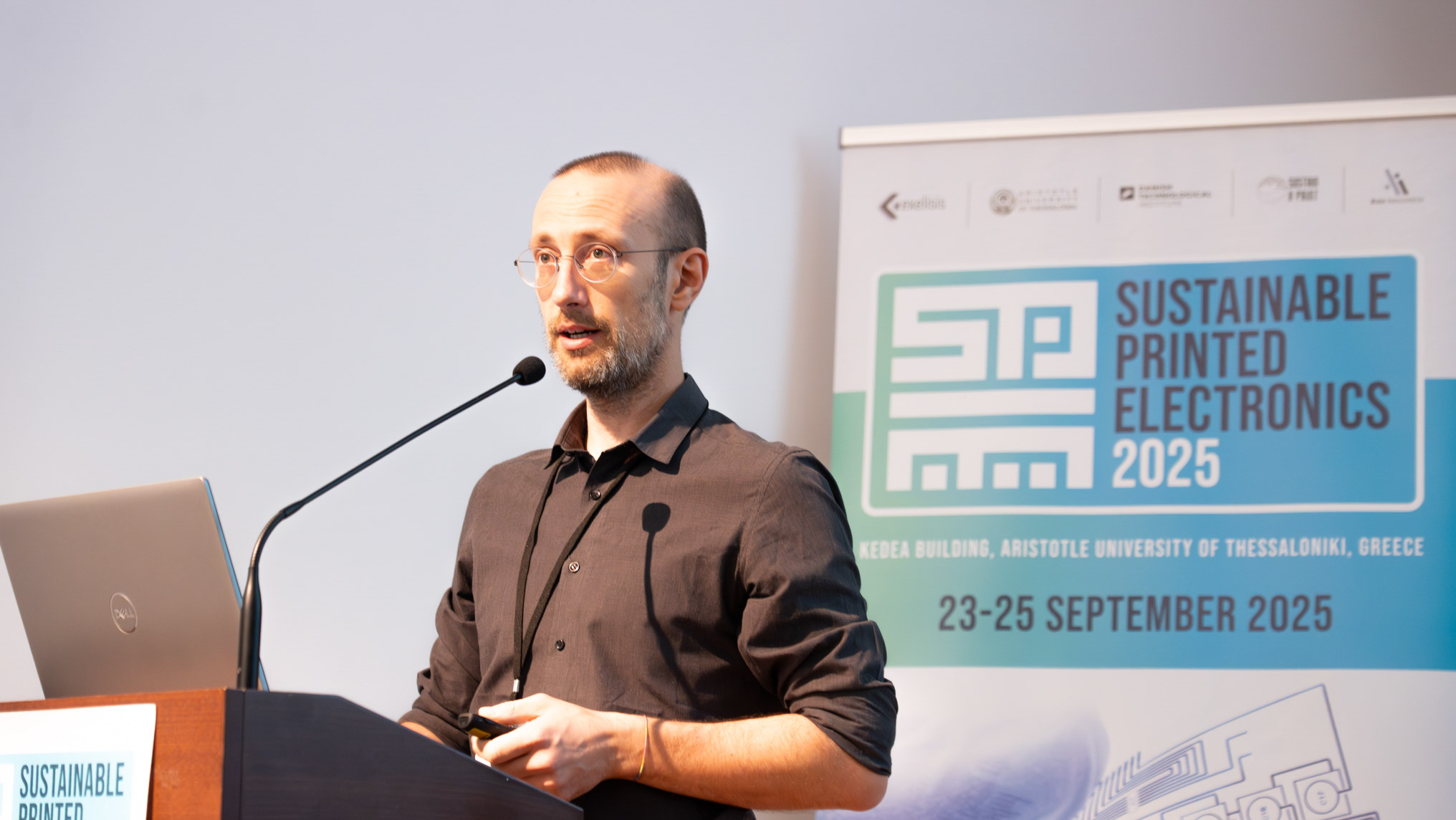
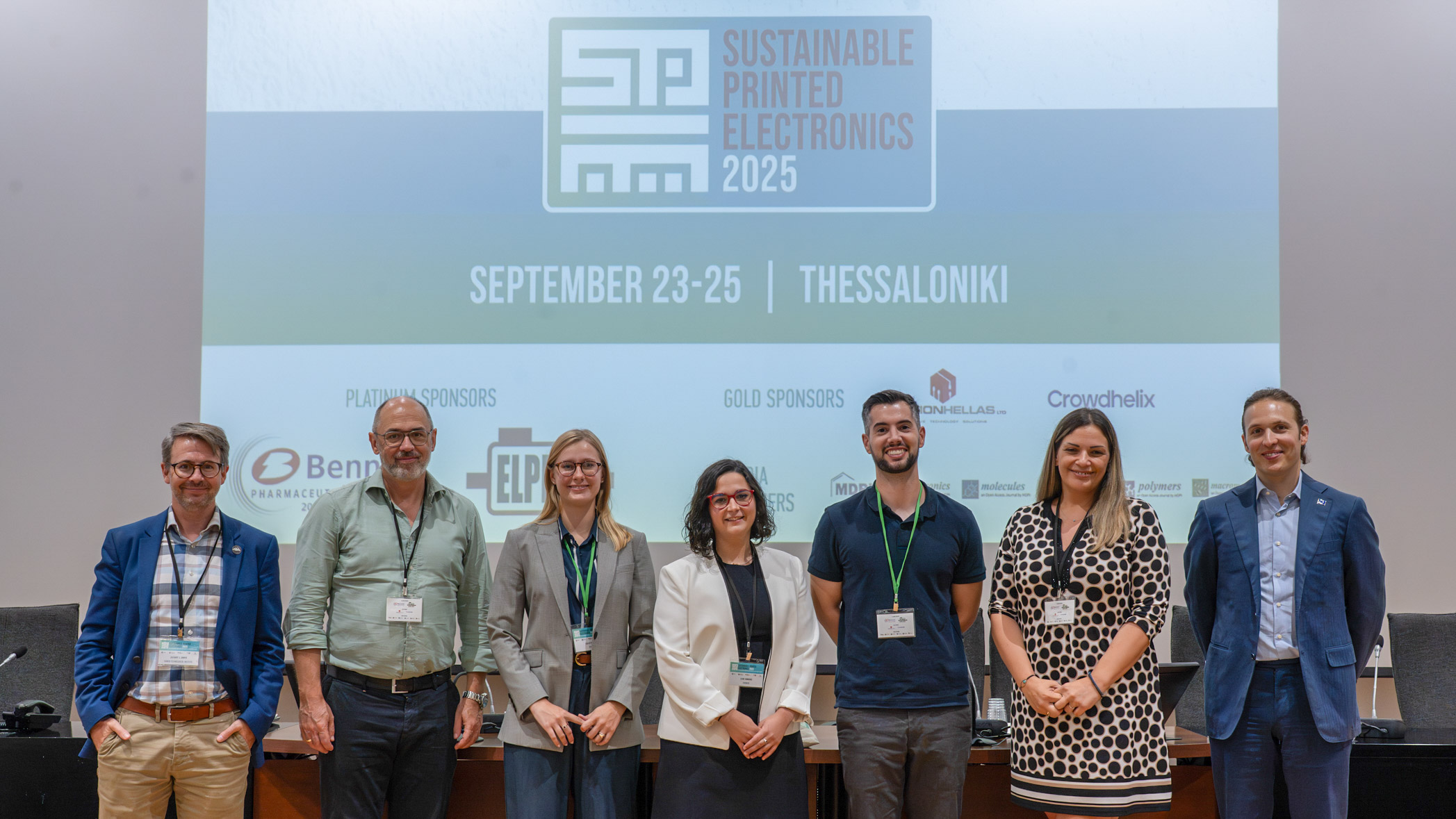
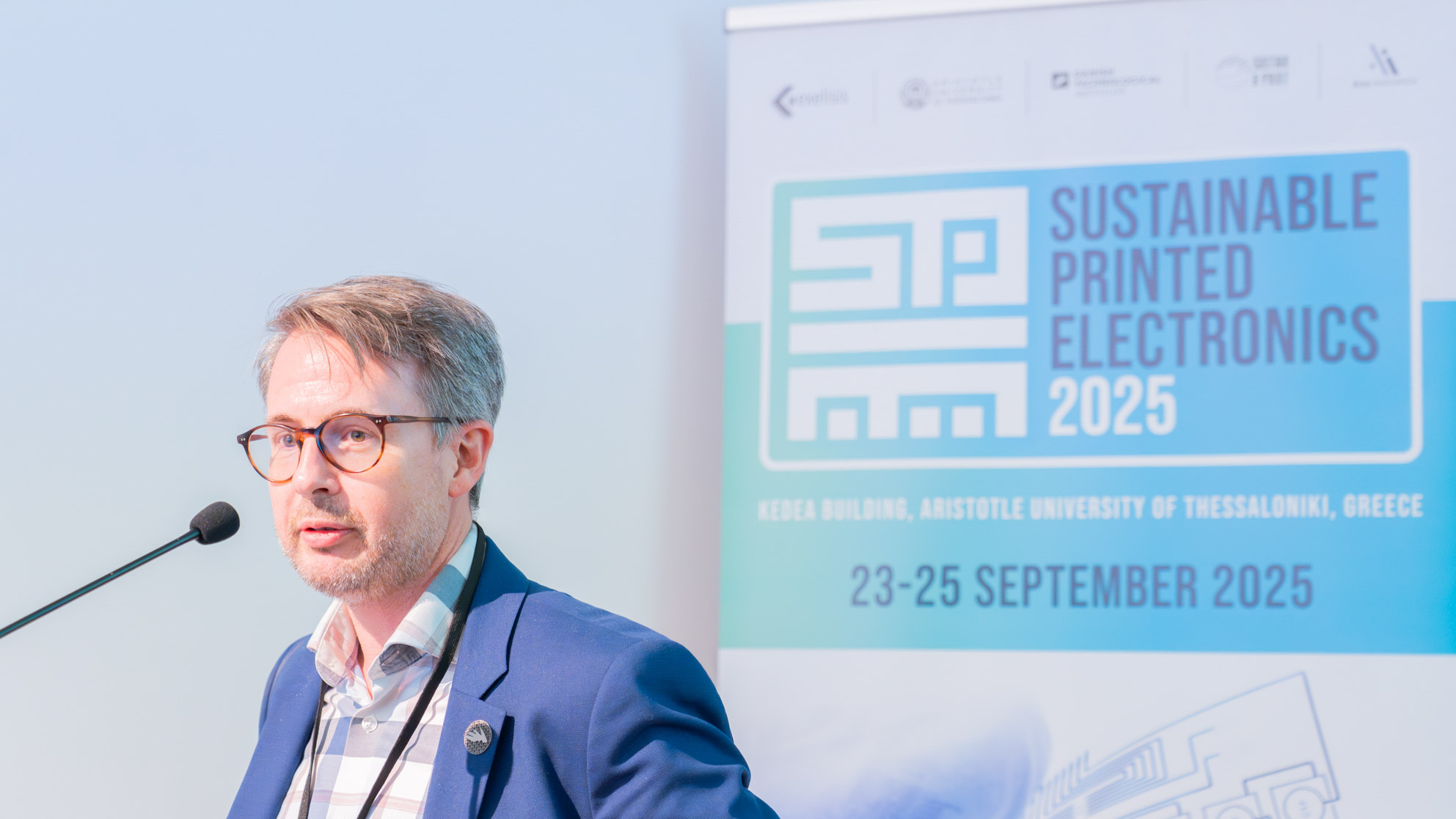
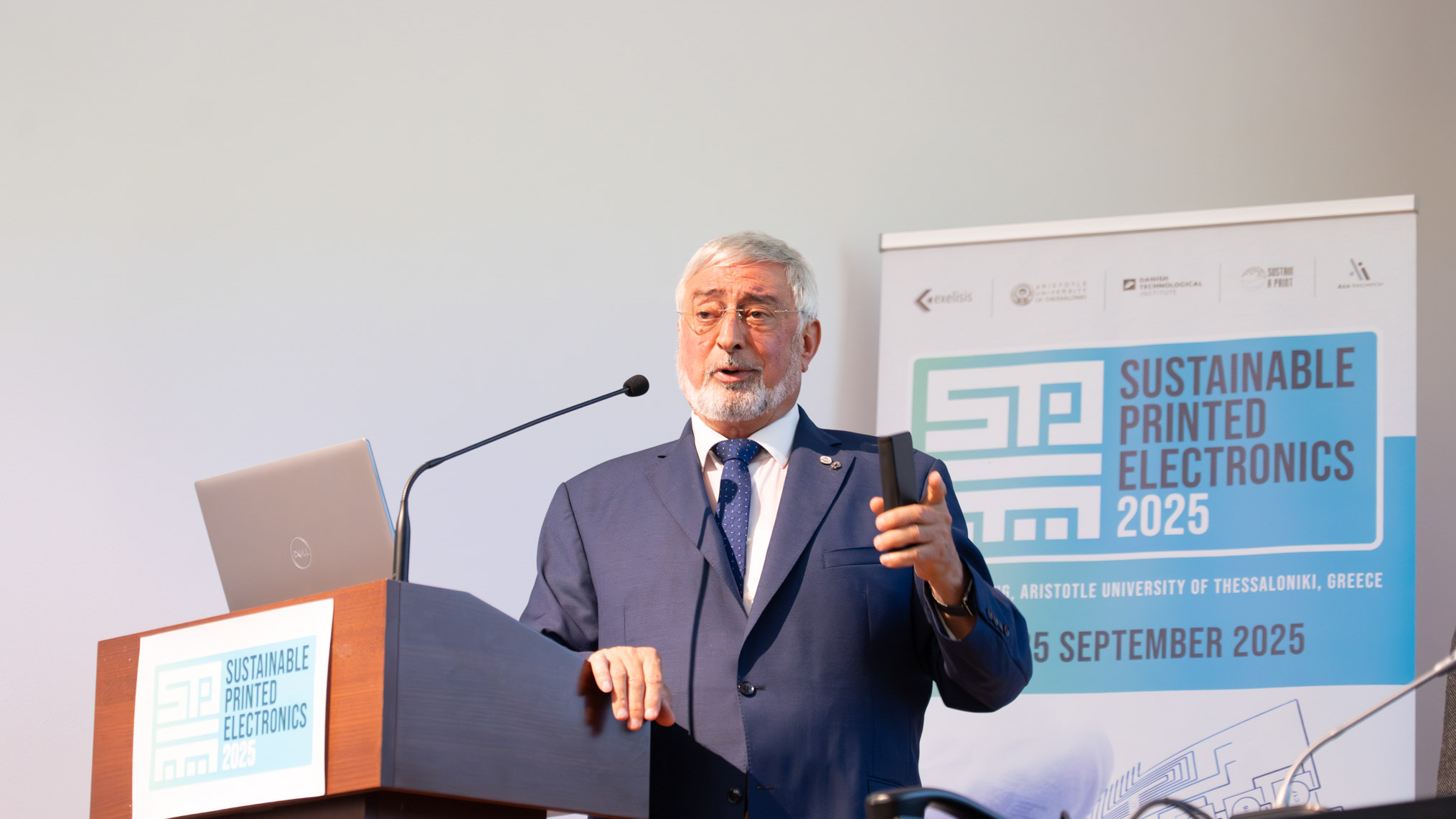
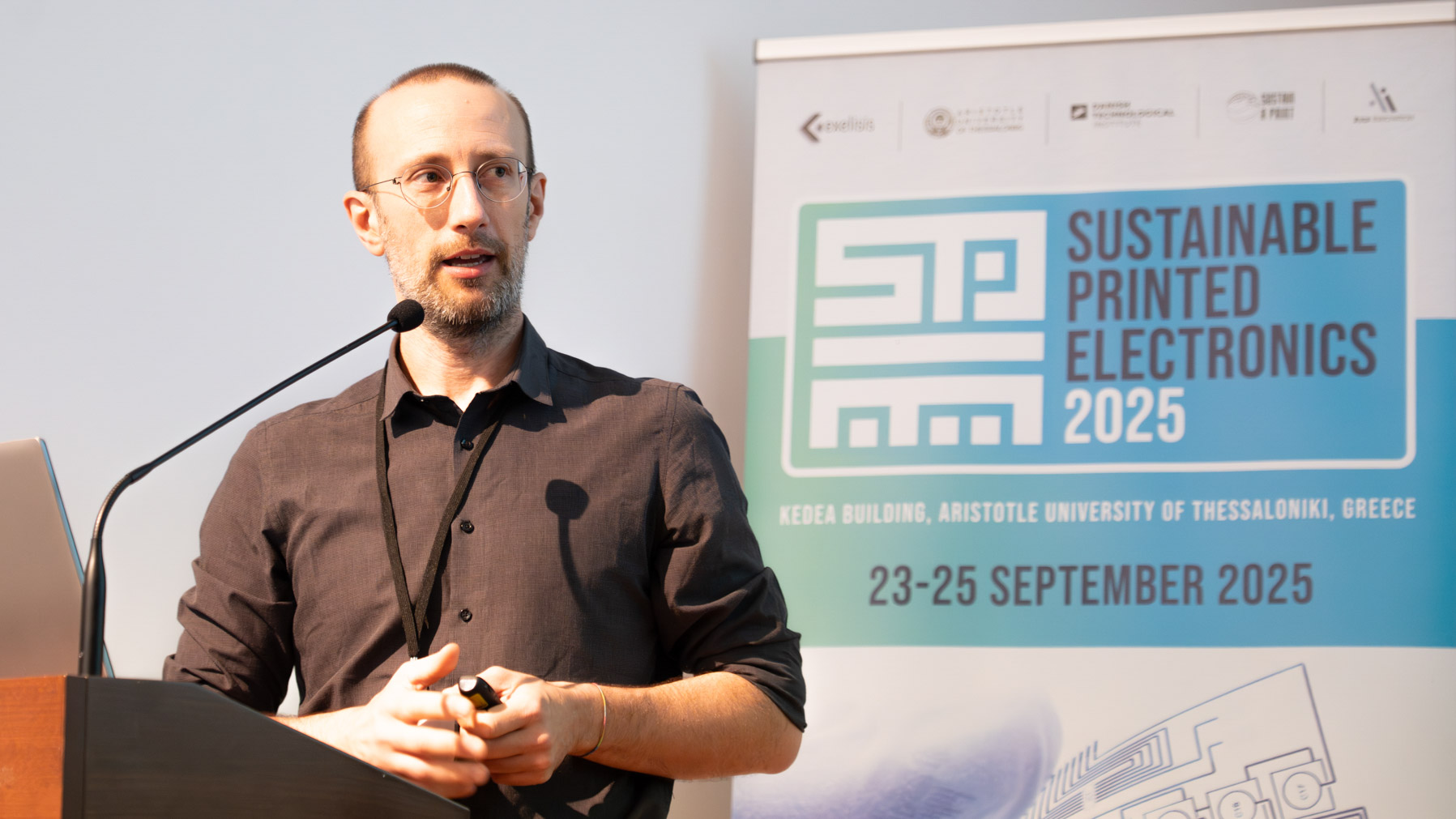
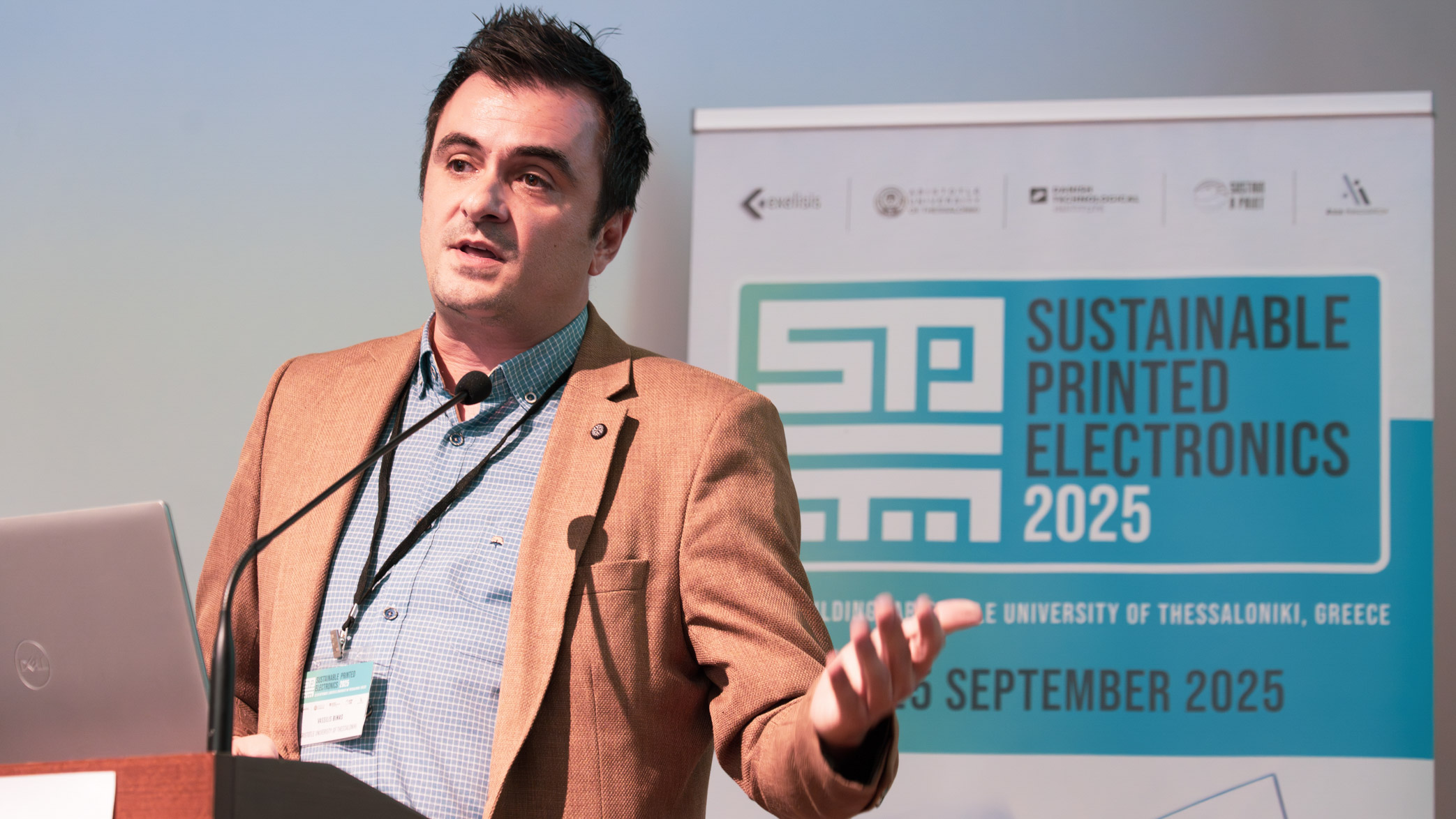
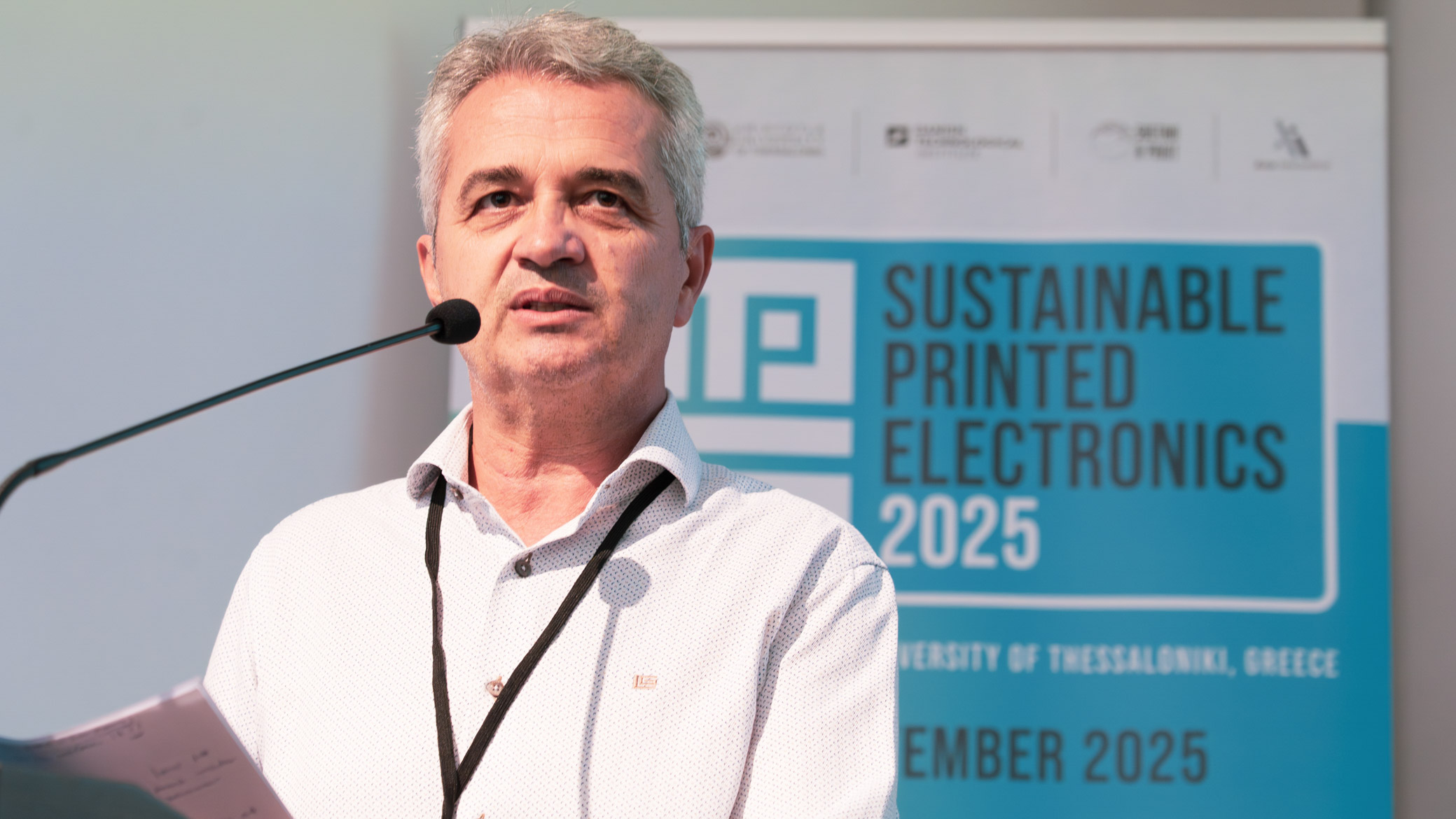
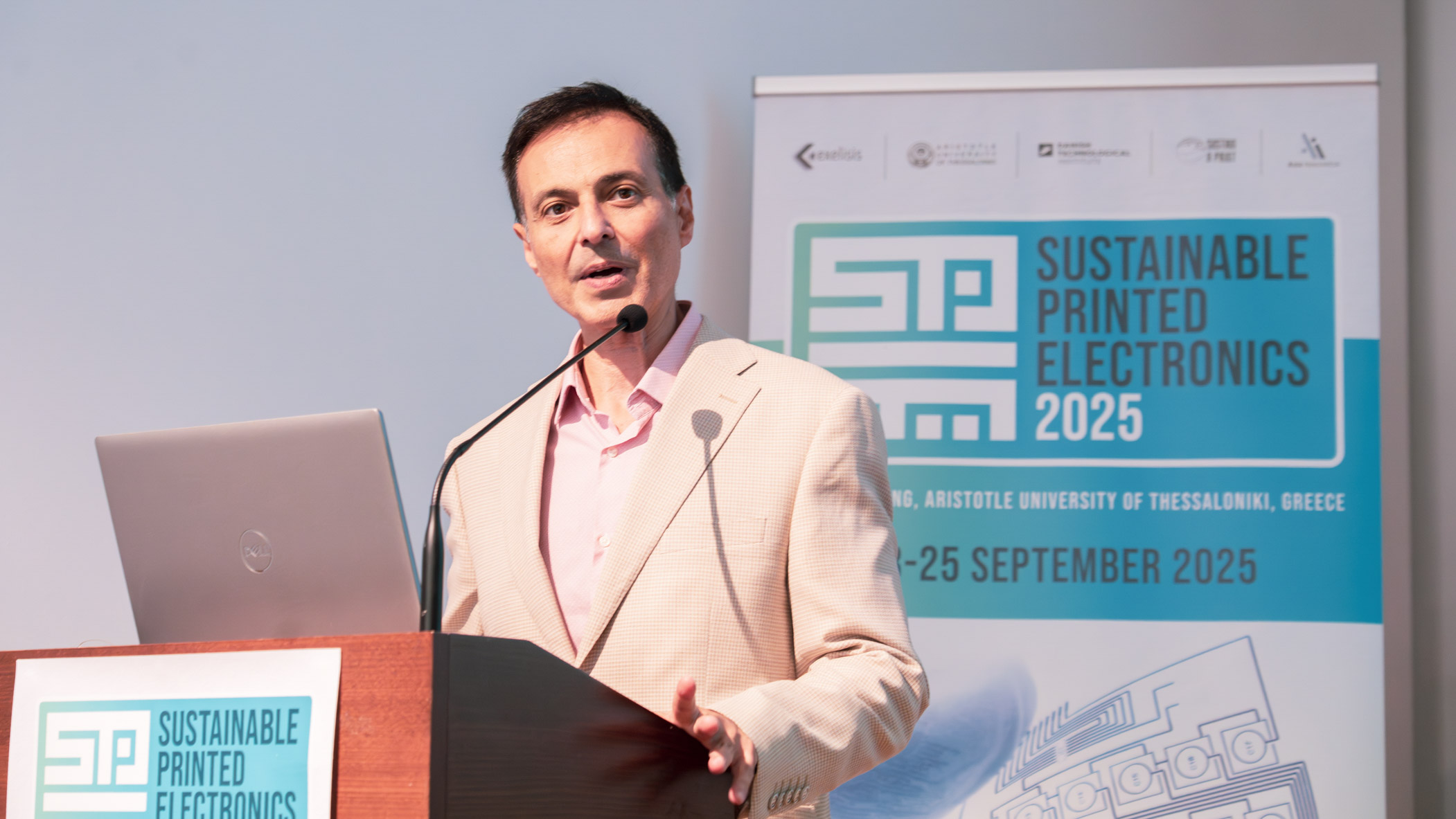
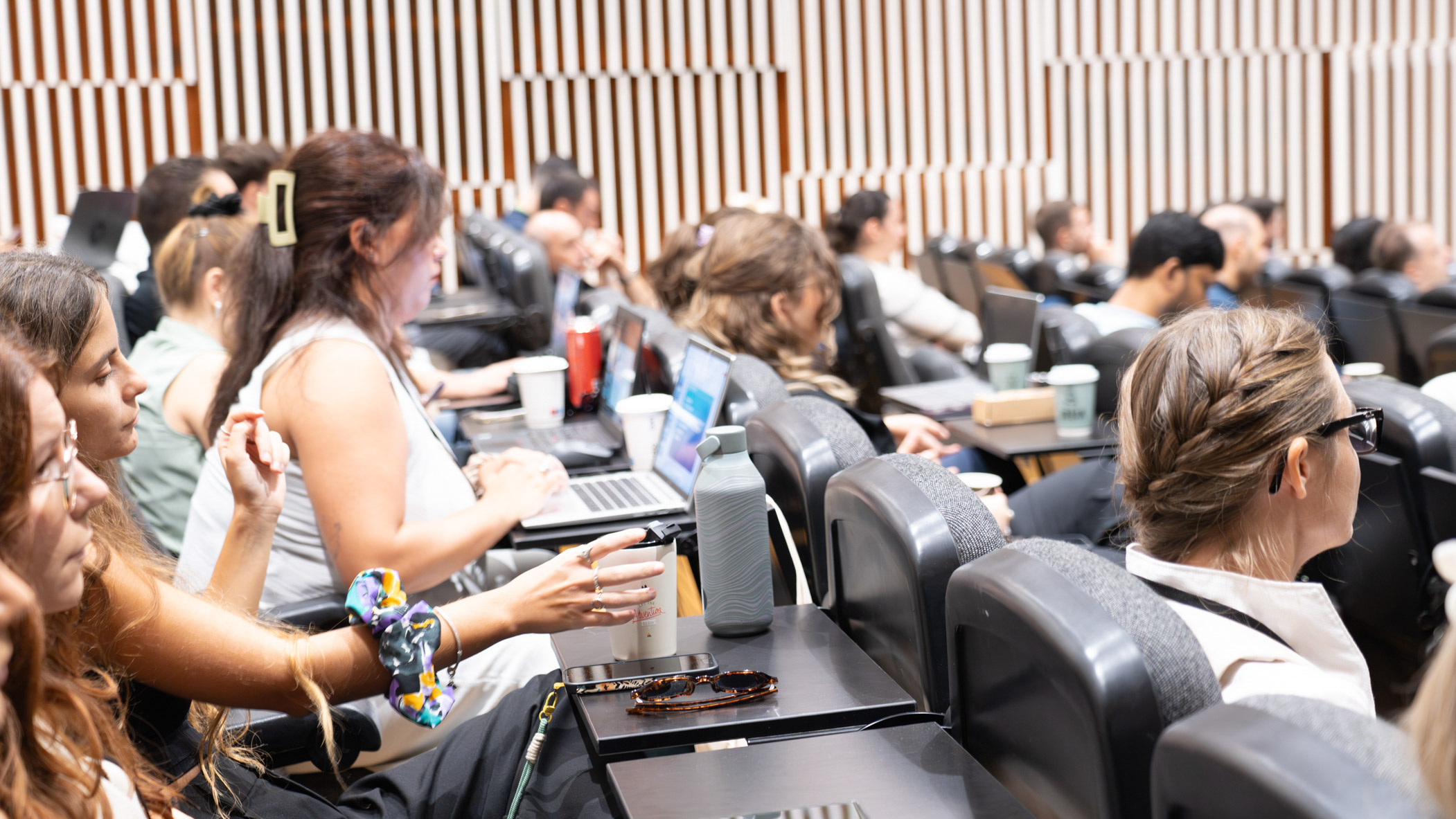
The Sustainable Printed Electronics 2025 conference has successfully concluded, and we would like to extend our warmest thanks to all participants, speakers, and supporters who helped make the event a meaningful and inspiring gathering.

SPE 2025 brought together experts from academia, industry, and research organizations to explore the latest developments in sustainable printed electronics. Through engaging presentations and discussions, the conference highlighted innovative materials, greener manufacturing approaches, high-performance ink formulations, advanced recycling methods, and the integration of Safe and Sustainable by Design (SSbD) principles.

The insights shared during the event continue to support progress toward more sustainable, recyclable, and biobased electronic technologies. We are grateful for the collaborations and new ideas that emerged and for the strong community committed to advancing the field.

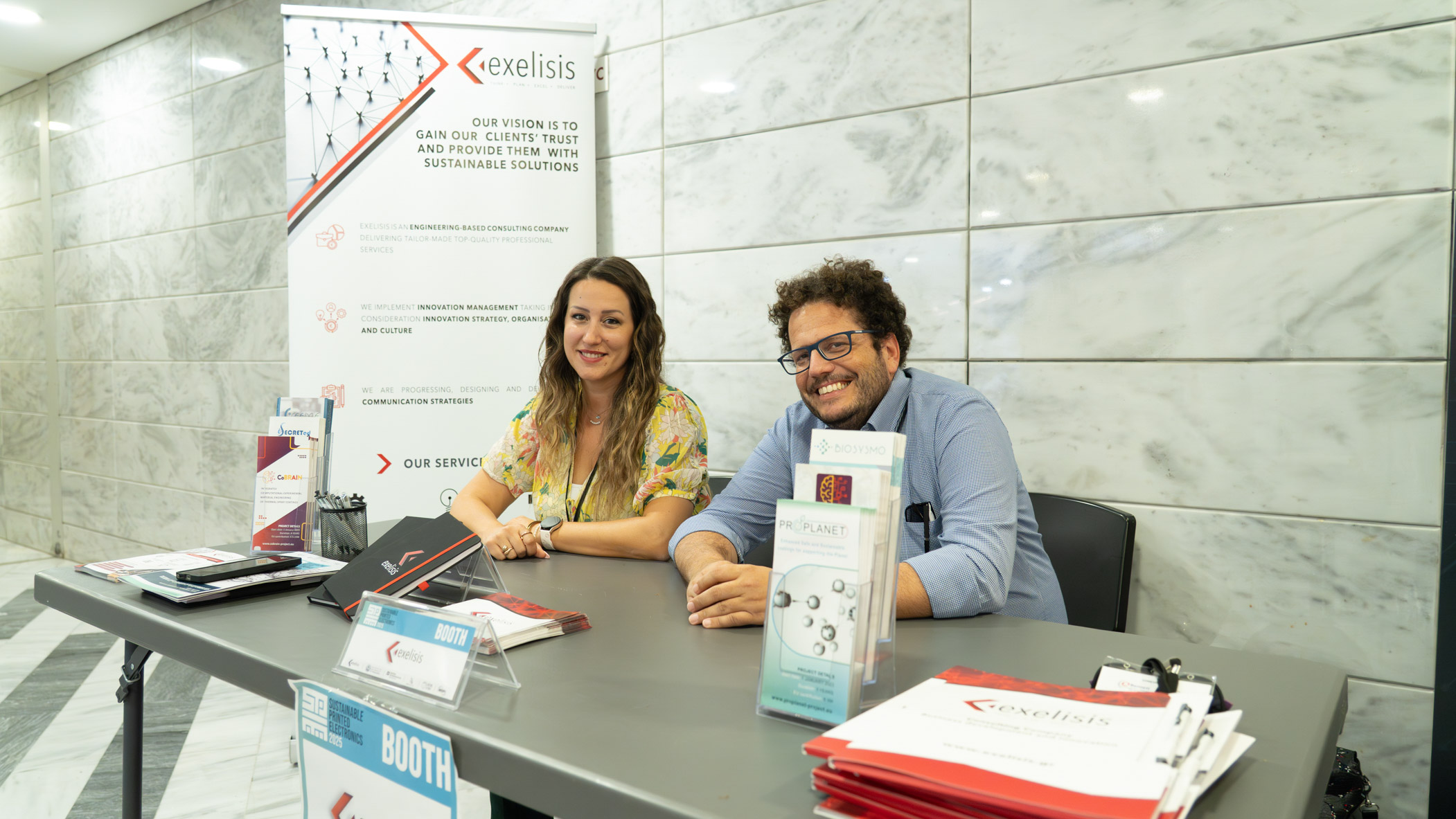
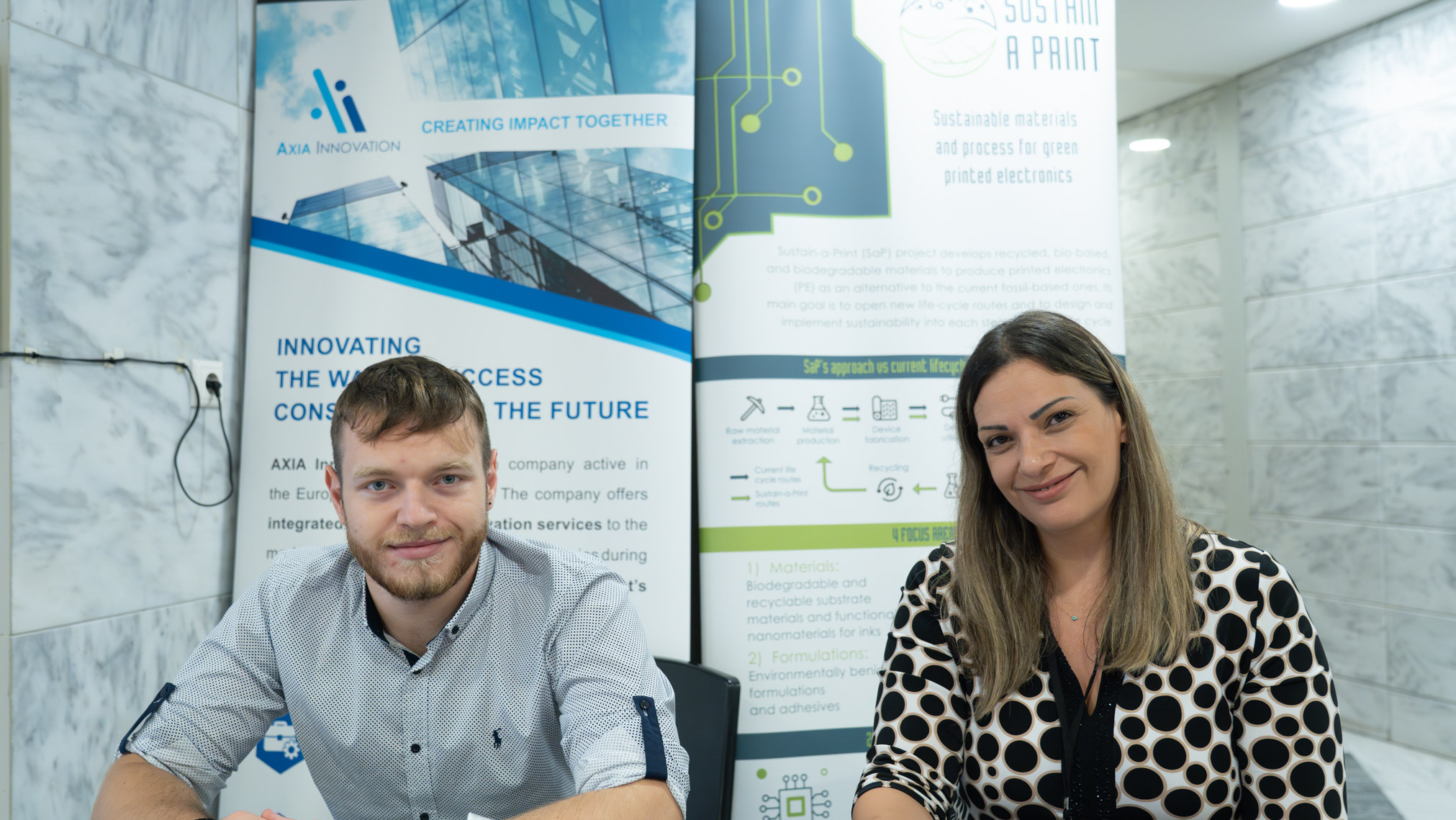
We also thank EXELISIS, the Aristotle University of Thessaloniki (AUTH), the Danish Technological Institute (DTI), AXIA Innovation GmbH, and the SaP EU project for their valuable support and partnership.

We look forward to welcoming you to future initiatives as we continue shaping a more sustainable future for printed electronics.

Sustainable Printed Electronics 2025 Chairs

Prof. Dimitrios Bikiaris,  |  Dr. Zachary J. Davis.  |  Dr. Ioanna Deligkiozi

Sessions
and
Topics

Printed electronics & manufacturing

This session will cover the latest advancements in the manufacturing processes of printed electronics, including techniques like inkjet printing, screen printing, and gravure printing. It will also discuss the integration of electronic components onto various substrates.

Session 1 Key Words – flexible electronics, organic Electronics, Thin-film electronics, Conductive synthetics/polymer electronics, 3D structural electronics, large-area electronics, printing Technologies, Inkjet printing, aerosol-jet printing, electrohydrodynamic printing, screen printing, printing processes – additive manufacturing, self-assembly manufacturing, 3D printing, roll-to-roll manufacturing.

Advanced Materials for Printed Electronics

This session will focus on the development and use of advanced materials in printed electronics, such as conductive polymers, nanomaterials, and flexible substrates. It will explore how these materials enhance the performance and functionality of printed electronic devices.

Session 2 Key Words – Organic, inorganic, Metallic Nanoparticle Ink, carbon dots, graphene, multiwalled nanotubes, conductive polymers, nanocomposites, doped semiconductors, printed substrates, Polymers and their composites for flexible electronics, PET PLA substrates, PDMS, TPU, other polymers, Conductive polymers and polymeric composites, Bio-Based Polymeric Substrates.

Ink formulations

This session will delve into the formulation of inks used in printed electronics, including the selection of materials, the impact of different formulations on device performance, and the challenges associated with achieving consistent and high-quality prints.

Session 3 Key Words – functional materials and nanomaterials, conductivity, adhesives, curing methods, green solvents, 2D-Material Ink, D-Material Ink, Molecular Ink, UV-Curable Ink, solvent-based materials, functional inks, functional inks with sustainable and biobased polymer Metal Oxide Nanoparticle Ink, Liquid Metal-Based Inks, Direct Ink Writing (DIW), Solution Processing Techniques.

Clustering Session

This session will include insightful presentations from several EU-funded project active in the field of the development of printed electronics, among which Sustain-a-print, SUINK, CircEL Paper, HyPELignum and REFORM EU projects will be highlighted.

Session 4 Key Words – flexible electronics, stretchable electronics, circular economy, green manufacturing, conductive inks, Sustainable circuit boards, additive manufacturing, functional electronics.

Sustainability Circularity, SSbD, market and end of life

This session will discuss the sustainability and circular economy principles applied to printed electronics. It will cover strategies for designing for sustainability (SSbD), market trends, and the economic impact of sustainable practices in the industry.

Session 5 Key Words – governance, market standards, life cycle analysis, safe and sustainable by design, roadmaps, policies, Circular Economy, Sustainability Strategies, Market Trends, Economic Impact, SSbD (Safe and Sustainable by Design)

Devices & Applications

This session will showcase various applications of printed electronics in devices such as sensors, displays, batteries, and wearable technology. It will highlight real-world examples and discuss the potential for future innovations.

Session 6 Key Words – flexible and stretchable device, printed device, stretchable device, energy devices, conductive electrodes, applications of 3D-Printing Technology, Power supply, energy, consumer electronics, information display, flexible sensors, integrated circuit, consumer electronics, textiles-clothing, packaging, automotive, healthcare, pharmaceuticals, patient tracking to smart drug packaging, smart buildings. Bioelectronics and biosensors;

Special Issue
Announcement

“Sustainable Printed Electronics: From Materials to Applications”

We are pleased to highlight a Special Issue hosted by MDPI that will showcase selected contributions from the Sustainable Printed Electronics 2025 (SPE2025) conference. This Special Issue will focus on emerging materials, eco-innovative technologies, and scalable applications shaping the future of printed electronics. Submissions are welcome from both conference participants and external researchers working in the field. Topics of interest include biobased and biodegradable materials, safe and sustainable-by-design inks, recycling techniques, and novel applications in areas such as wearables, energy devices, and smart packaging.

Potential topics of interest for this Special Issue include the following:

  • Bio-based and biodegradable materials for printed electronics;
  • Safe and sustainable-by-design ink formulations;
  • Advanced materials: metal nanoparticles, carbon dots, conductive nanocomposites;
  • Circular economy approaches for printed electronics;
  • Reuse, recycling, and de-bonding techniques;
  • Applications in smart packaging, wearables, sensors, and energy devices;
  • Scalable, low-cost, and energy-efficient manufacturing processes

Guest Editors

The issue will be guest-edited by Prof. Dr. Dimitrios Bikiaris (AUTH), Dr. Ioanna Deligkiozi (AXIA Innovation) and Dr. Alexis Grigoropoulos (Exelisis).

Submission Instructions

For more Submission Information visit the link: https://www.mdpi.com

INVITED
Speakers

Vasilis Binas

Assistant Professor of Physical Chemistry at AUTH

Prof. Georges HADZIIOANNOU

Emeritus Professor at University of Bordeaux

Dr. Zachary J. DAVIS

Vice Director at Teknologisk Institut 

Dr. Panteleimon PANAGIOTOU

Head of Unit ICT | Engineering & Natural Sciences

Prof. Nikos PLEROS

Professor at Aristotle University of Thessaloniki 

Prof. Gianmarco GRIFFINI

Associate Professor at Politecnico di Milano

Anna-Marie GORMAN

Principal Scientist – Materials Science at CPI

Sustainable Printed Electronics 2025 will be held in the premises of KEDEA Building, Aristotle University of Thessaloniki.

Sponsors

Platinum Sponsors

Gold Sponsors

Media Sponsors

pic
[ January 13, 2016 by vasoula2025 0 Comments ]

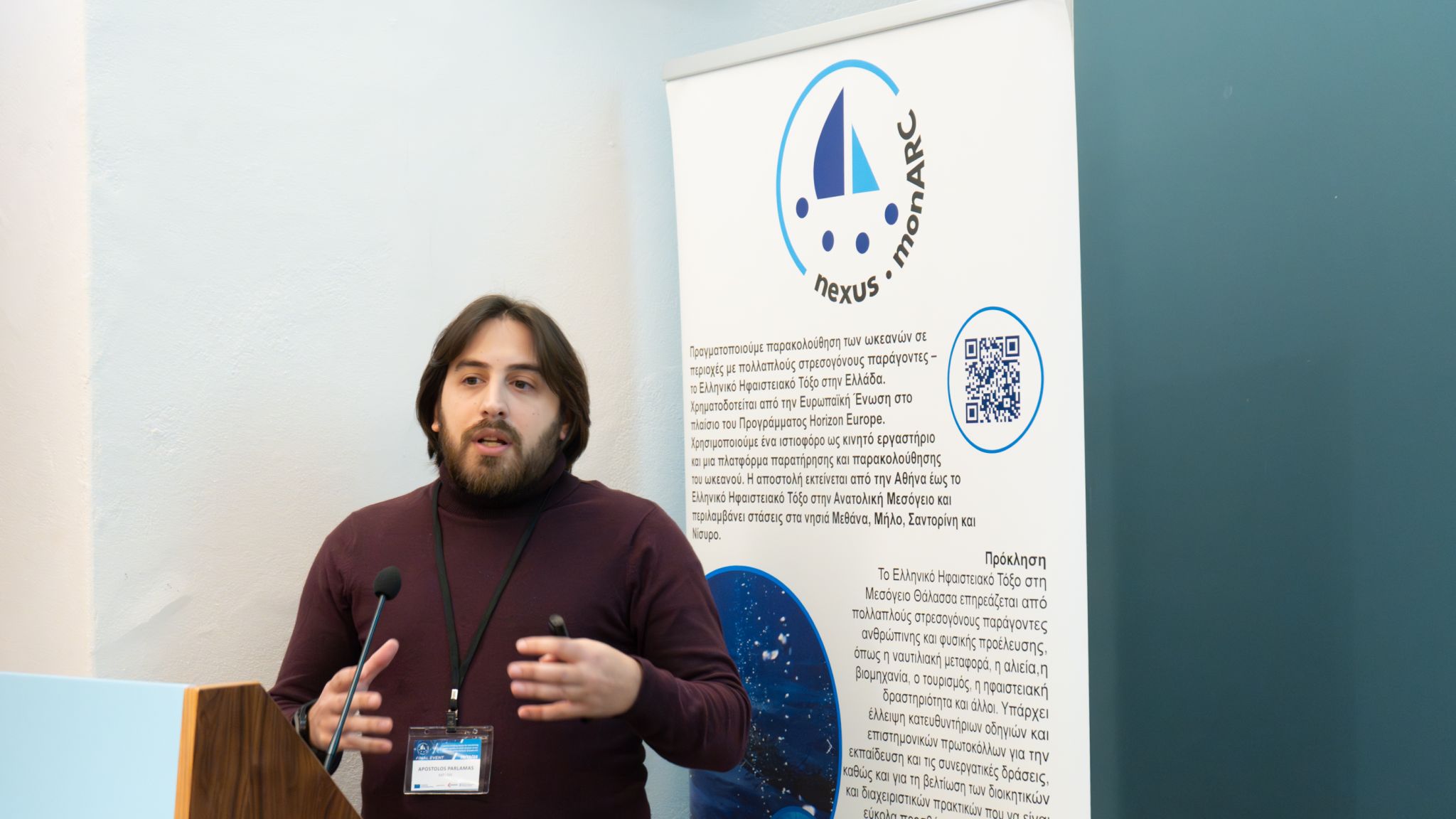
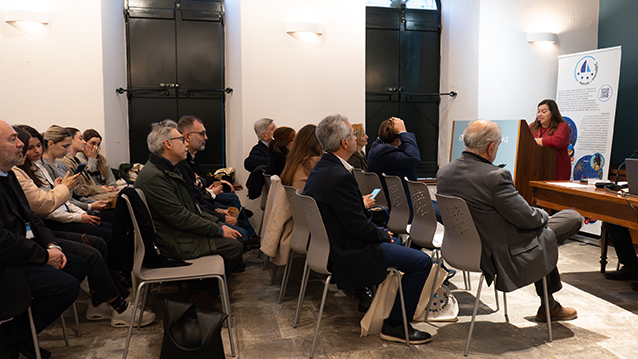
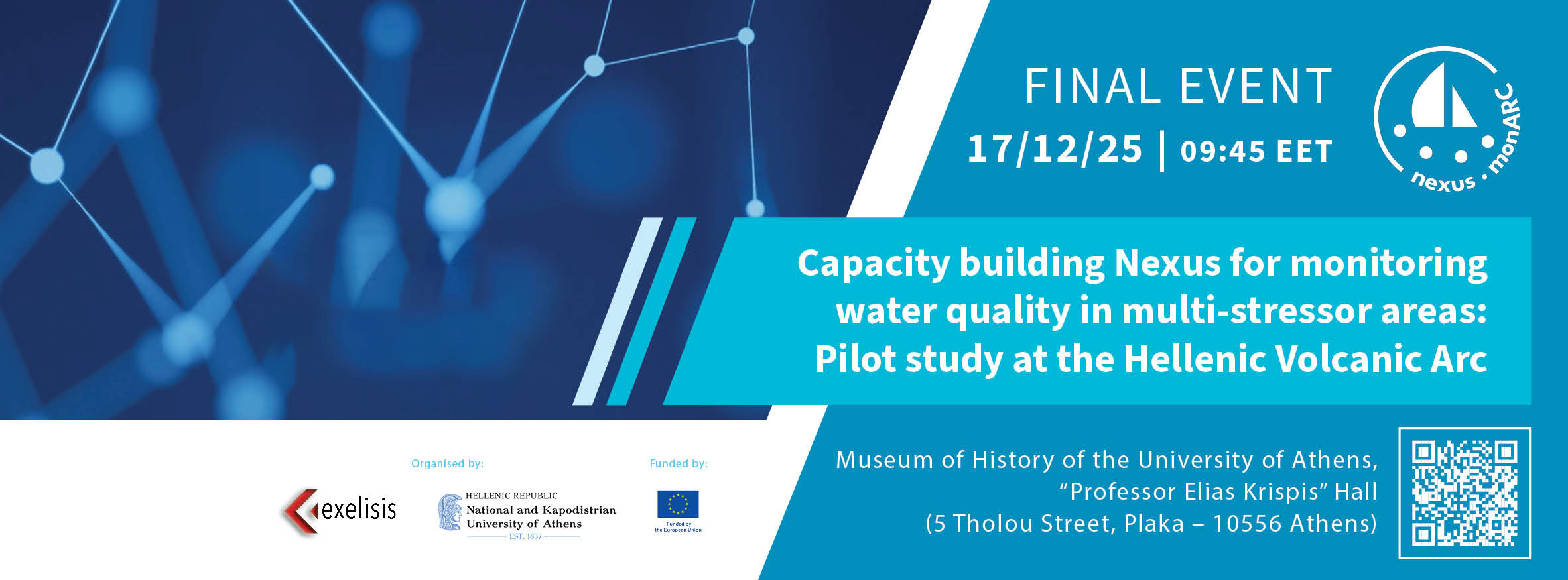
Final Event of the nexus monARC Project

monARC Project

– EXELISIS Organises the Final Event of the nexus monARC Project

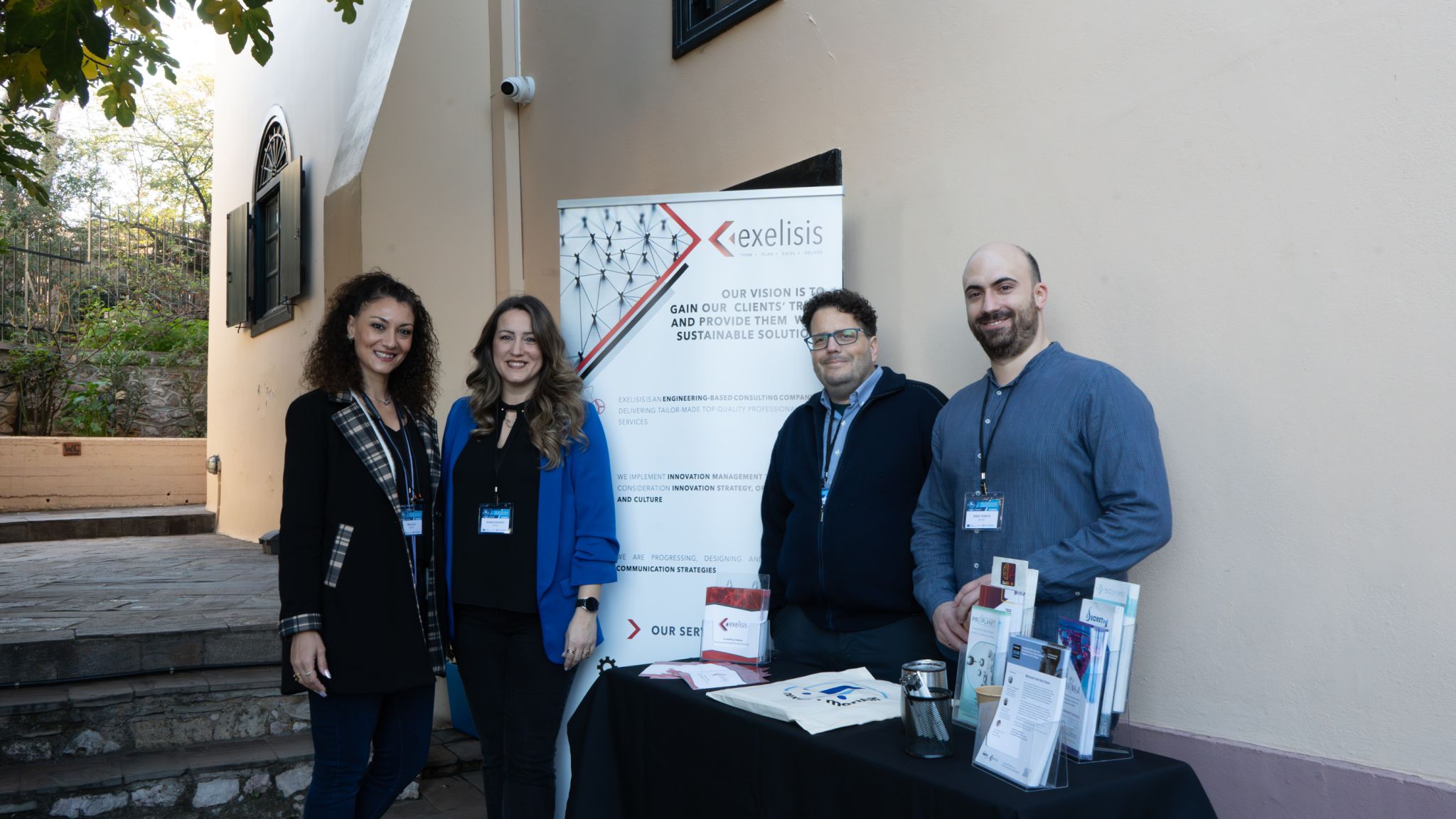
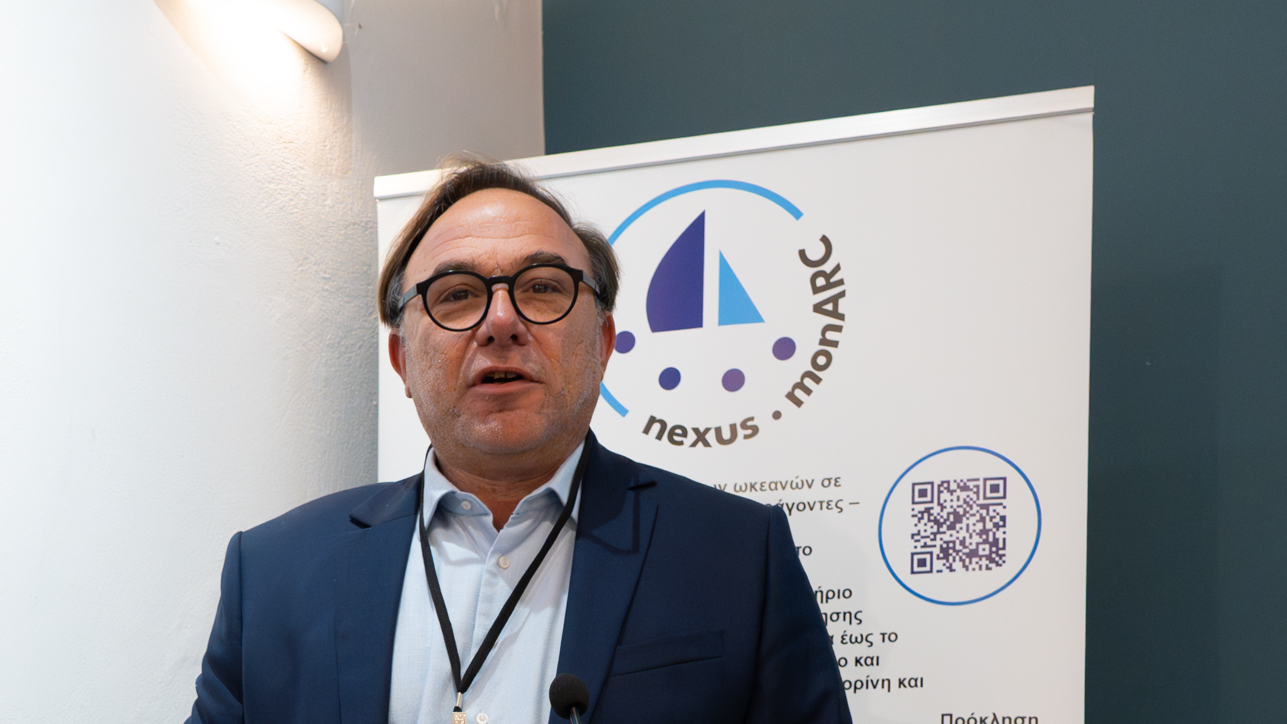
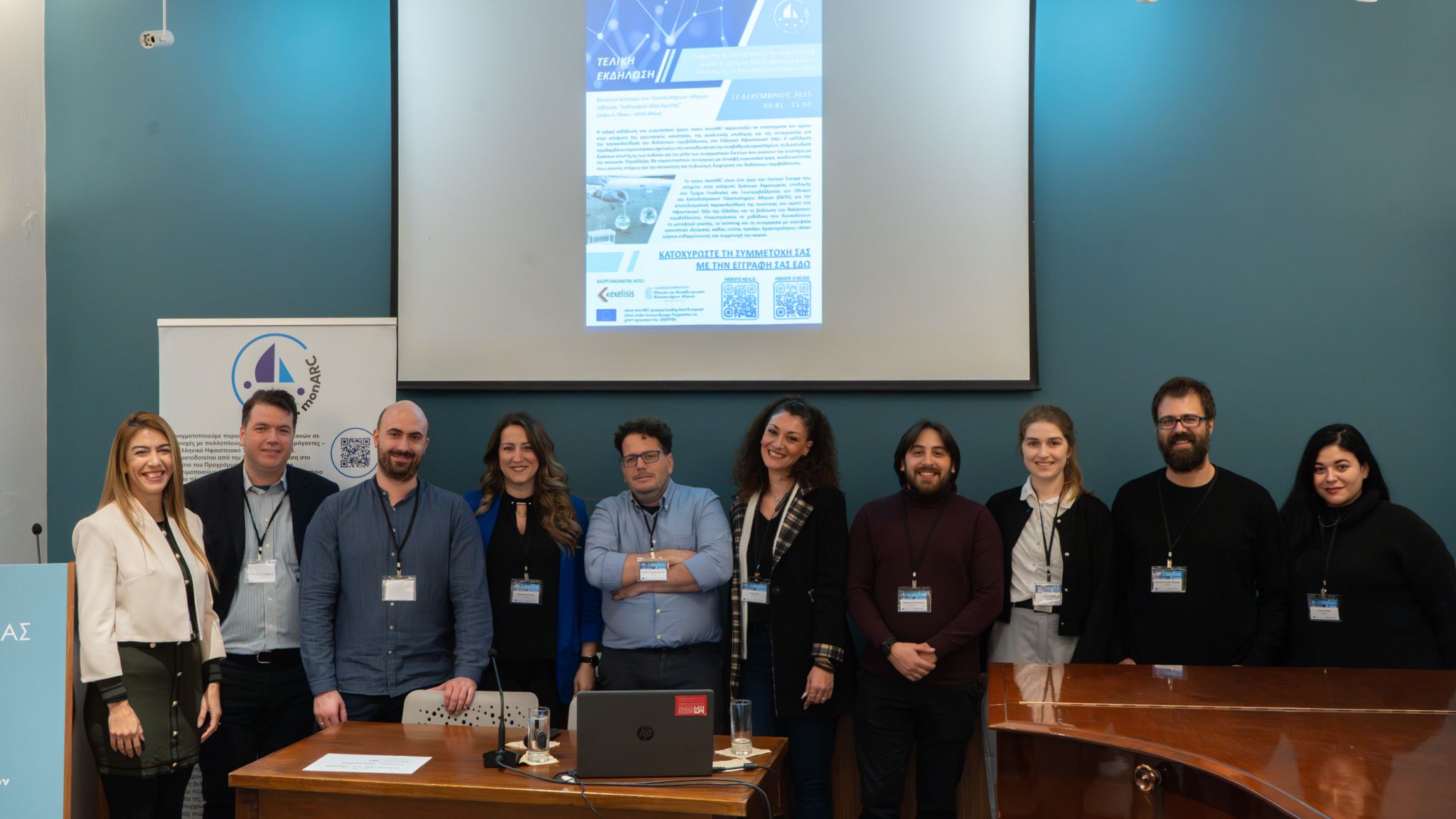
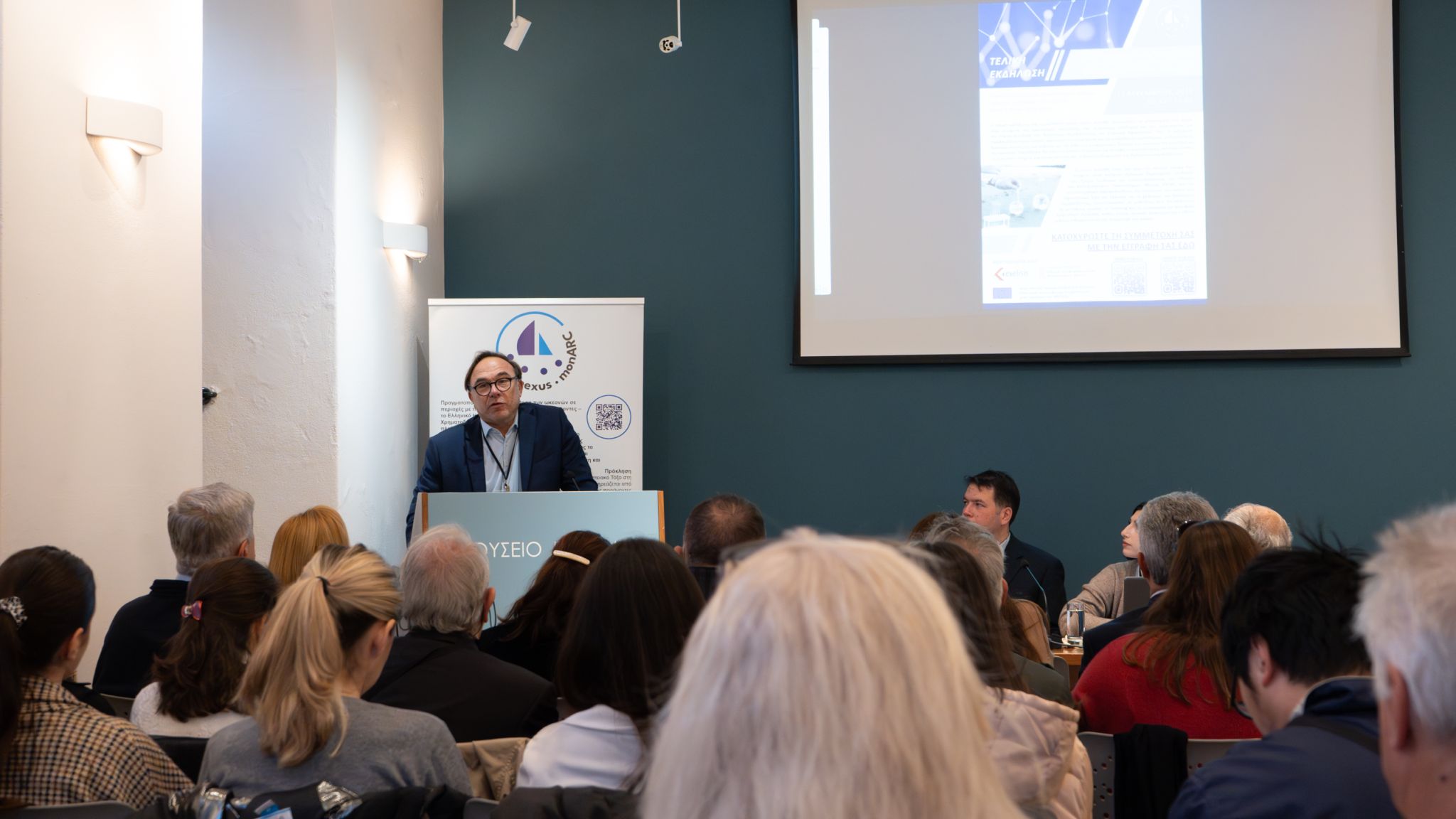
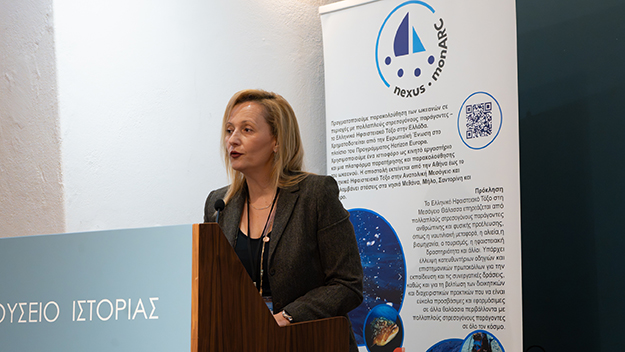
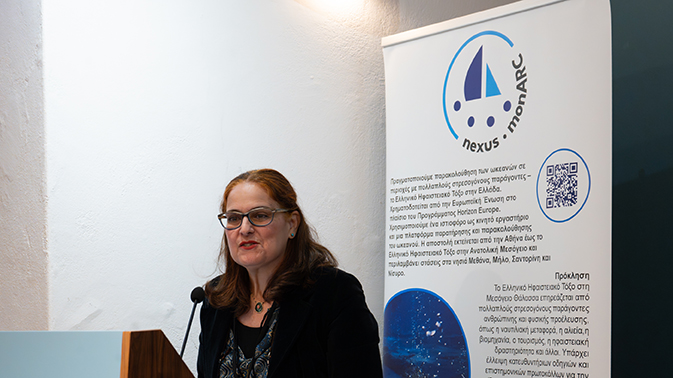
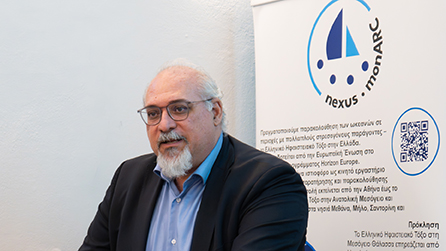
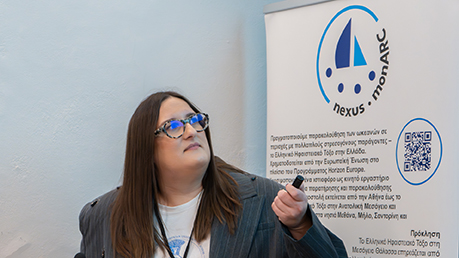
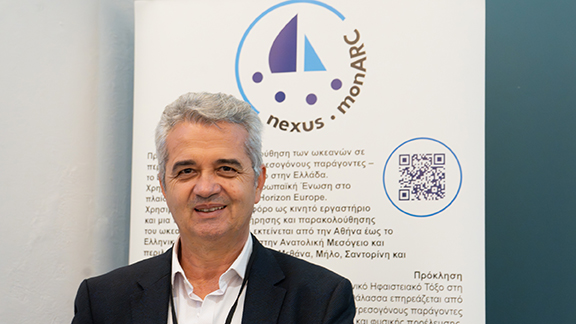
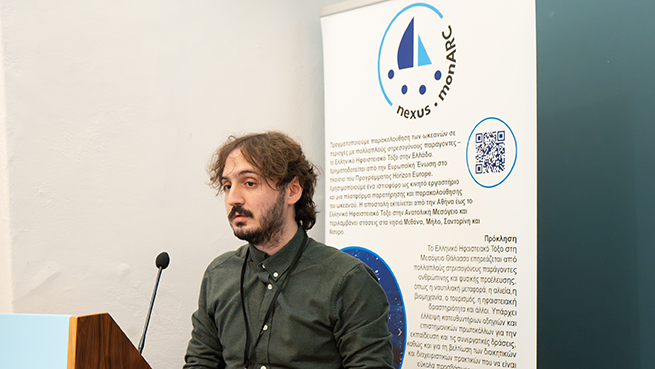
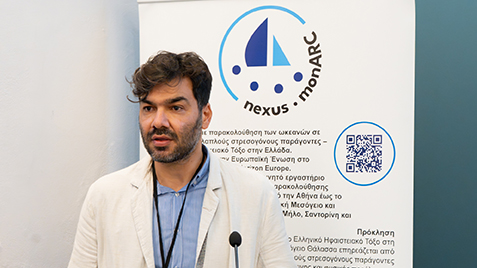
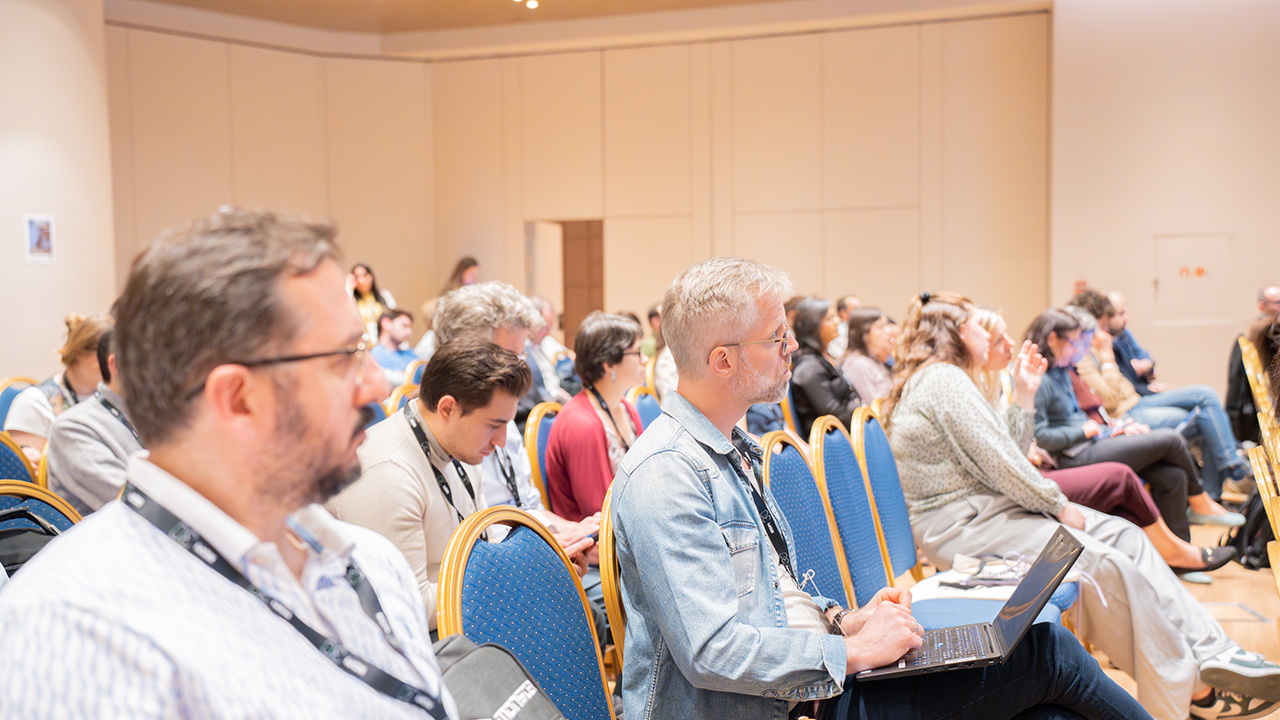
EXELISIS organised the Final Dissemination Event of the Horizon Europe project nexus monARC, marking the conclusion of three years of collaboration in environmental monitoring across complex marine environments. The event opened with welcome remarks by Ms. E. Georgitsi (European Commission Representation in Greece), Mr. P. Kokkalis (Climatica; former MEP), and Ms. M. Tzima (Association of Greek Geologists), setting the tone for a day focused on scientific progress, societal relevance and long-term impact.

The programme featured a series of high-level scientific presentations. Prof. A. Argyraki (NKUA) outlined the project’s overall achievements and next steps, followed by Dr. A. Gondikas (NKUA) who presented the nexus monARC Citizen Scientist Awards. A central highlight of the event was the keynote contribution of Prof. Michael Scoullos (UNESCO Chair; President of MIO-ECSDE), who delivered an in-depth perspective on bridging science, society and policy in the Mediterranean, drawing on decades of experience in environmental governance. Equally prominent was the presentation of Prof. Nikos Thomaidis (NKUA), who showcased state-of-the-art developments in analytical infrastructure, core facilities and environmental assessment, underlining the critical role of advanced chemistry in safeguarding marine ecosystems. The scientific programme was further strengthened by Prof. Dimitris Bikiaris (AUTH), whose talk on microplastics pollution provided authoritative insight into one of the most pressing environmental challenges of our time.

Additional contributions included Ms. A. Papakonstantinou (NKUA Funding Support Office) on the office’s upgrade and future direction, Mr. Vasilis Pletsas (NKUA) on monitoring the Kolumbo submarine volcano, and Assist. Prof. S. Genitsaris (NKUA) on DiverSea–nexus monARC synergies. The programme concluded with Dr. A. Parlamas (EXELISIS) presenting on IP and licensing for environmental technologies.

EXELISIS supported the consortium throughout the project with sustainability planning, innovation management, exploitation strategies, and targeted training. A key contribution was the development of a business plan for a potential NKUA spin-off, outlining how project know-how could evolve into applied environmental services.

The successful completion of nexus monARC demonstrates how European Coordination and Support Actions can deliver lasting impact through scientific excellence, community engagement, and structured capacity building. EXELISIS is proud to have contributed to this effort.


Check Out the AGENDA of the event!

THE TOP MOMENTS
of a successful conference
INVITED
Speakers

Prof. Michael Scoullos

Director, UNESCO Chair & Network of SD Management and Education in the Mediterranean, Professor Emeritus at National & Kapodistrian University of Athens, Chairperson, MIO-ECSDE

Prof. Nikolaos Thomaidis

President of the Property Management & Development Company of the University of Athens S.A., Professor at National & Kapodistrian University of Athens


Prof. Evi Nomikou

SANTORY Project Coordinator, Professor at National & Kapodistrian University of Athens


.

Prof. Dimitrios Bikiaris

Professor at National & Kapodistrian University of Athens


.

1500×775 COATINGS
[ May 19, 2006 by vasoula2025 0 Comments ]

COATINGS 2026

COATINGS 2026

– EXELISIS & MDRI Organise the COATINGS 2026 Conference

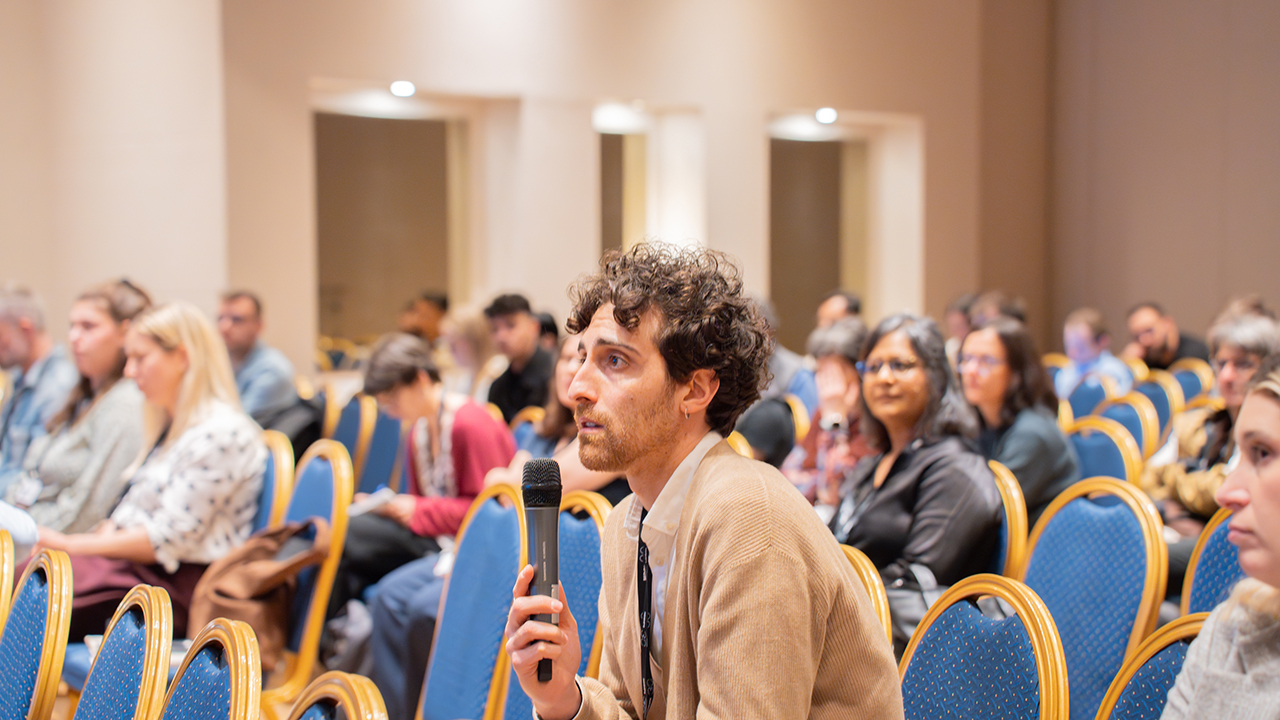
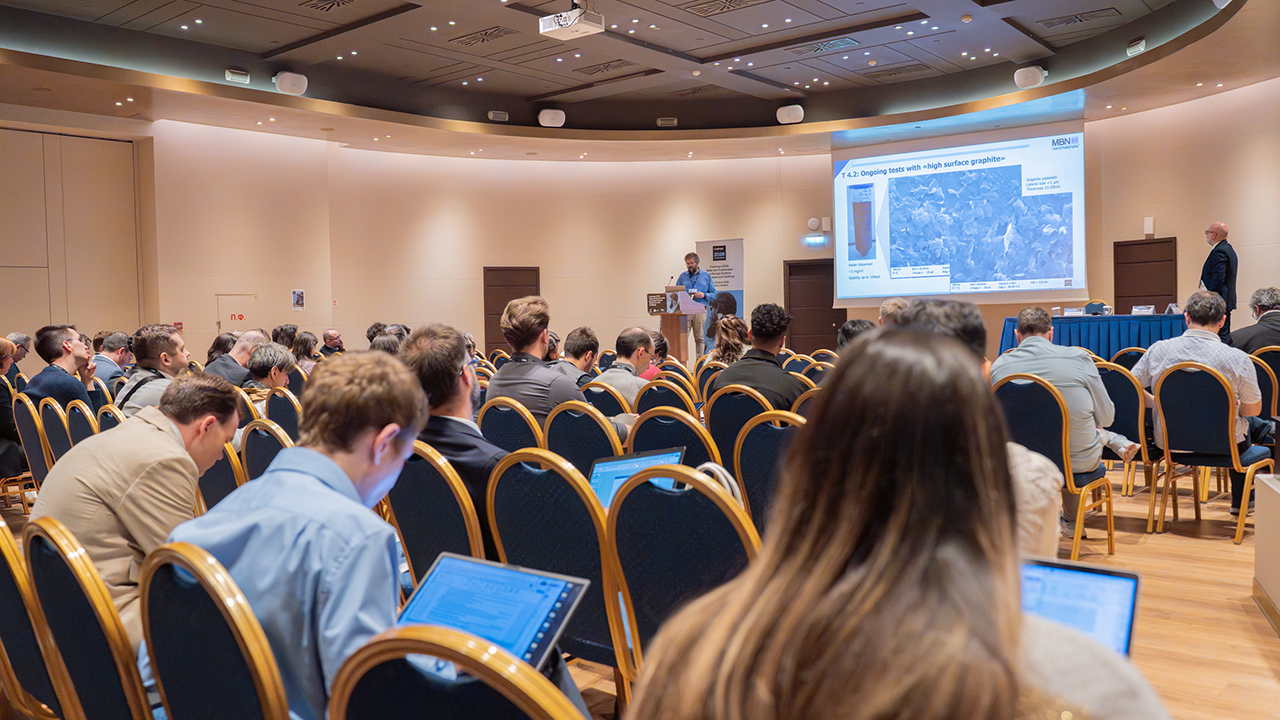
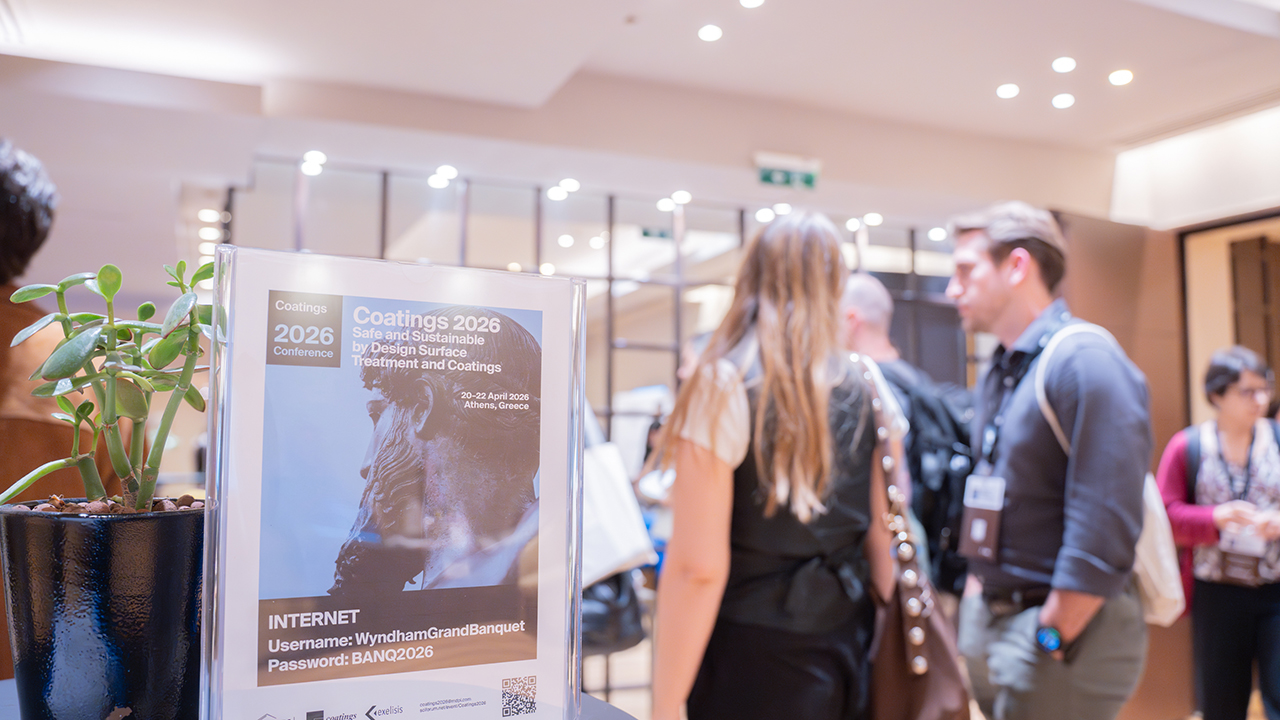
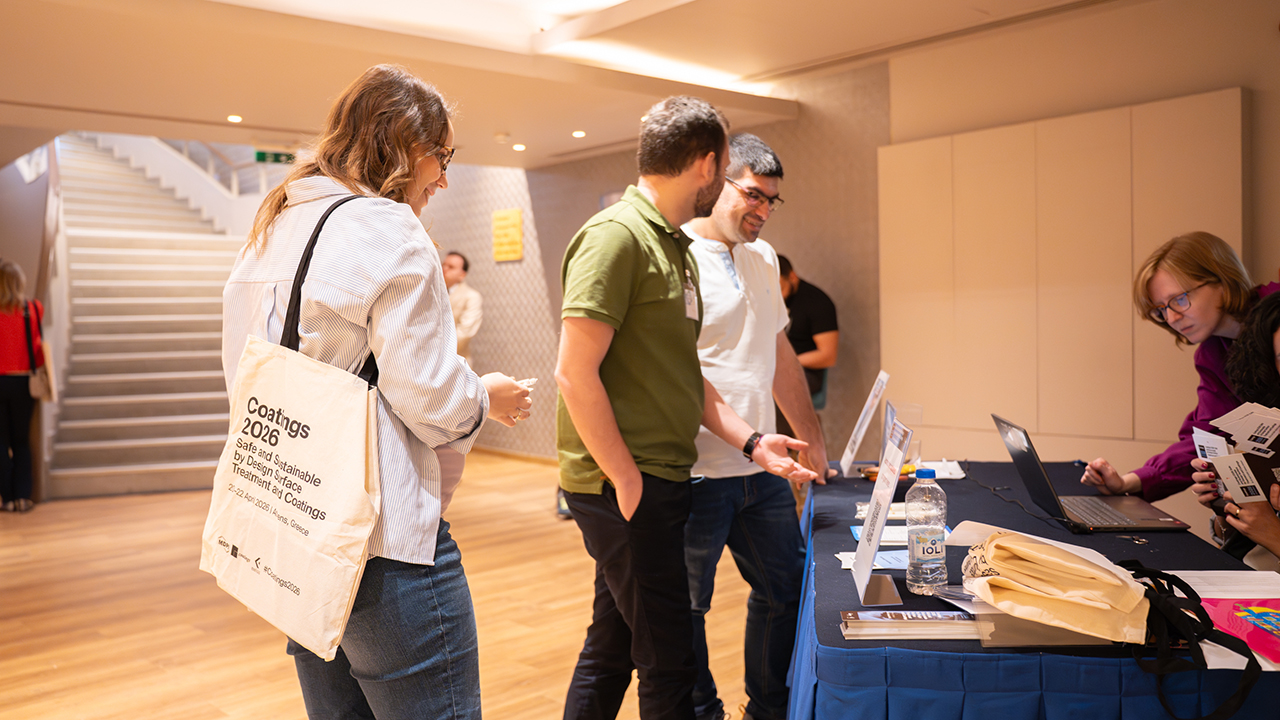
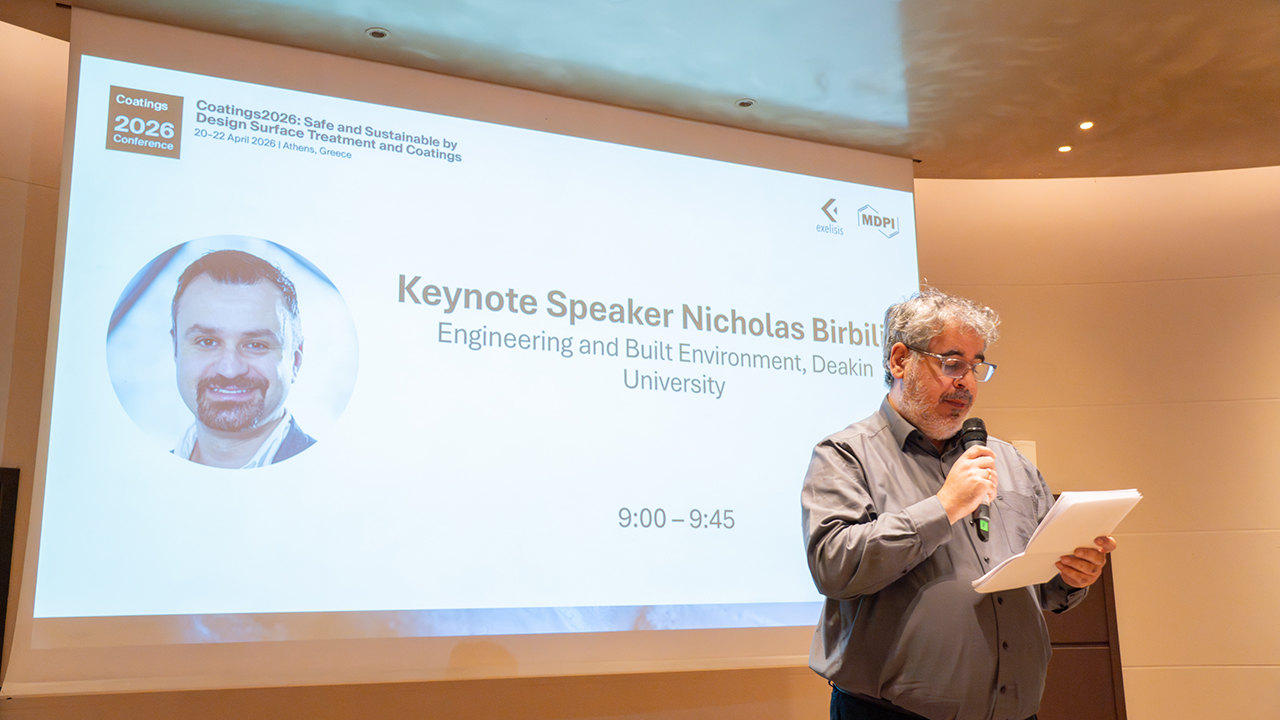
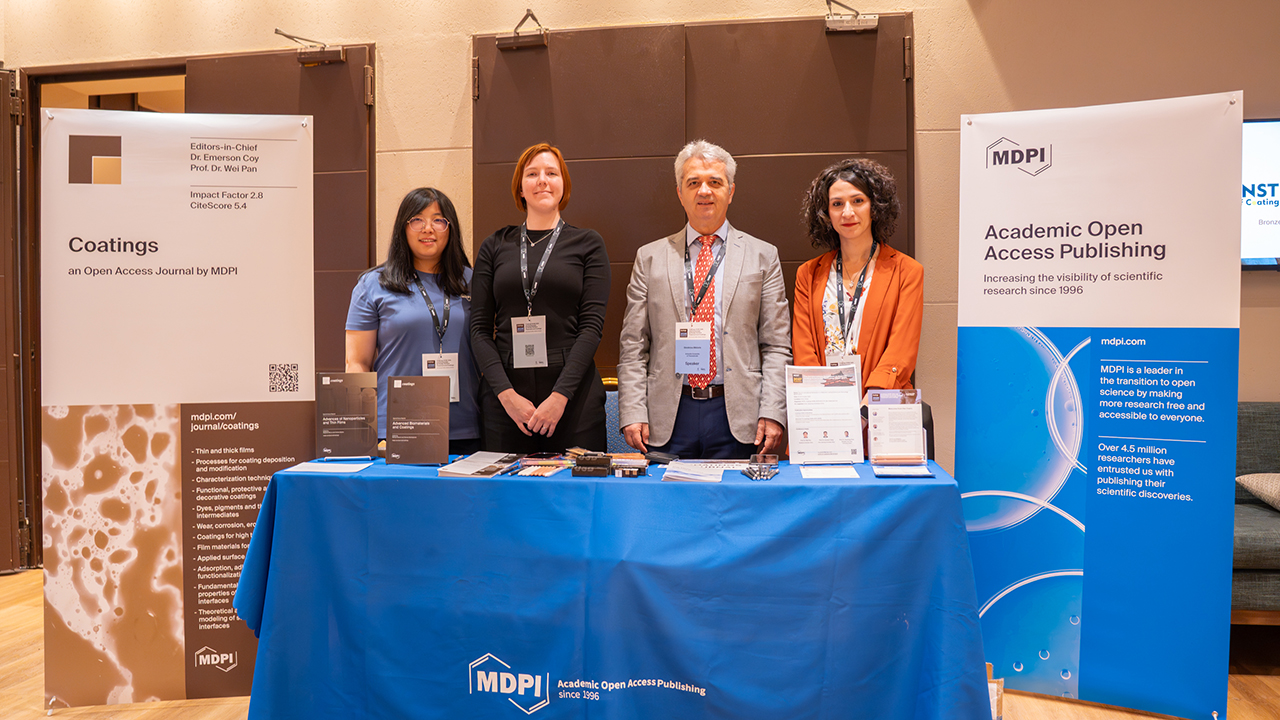
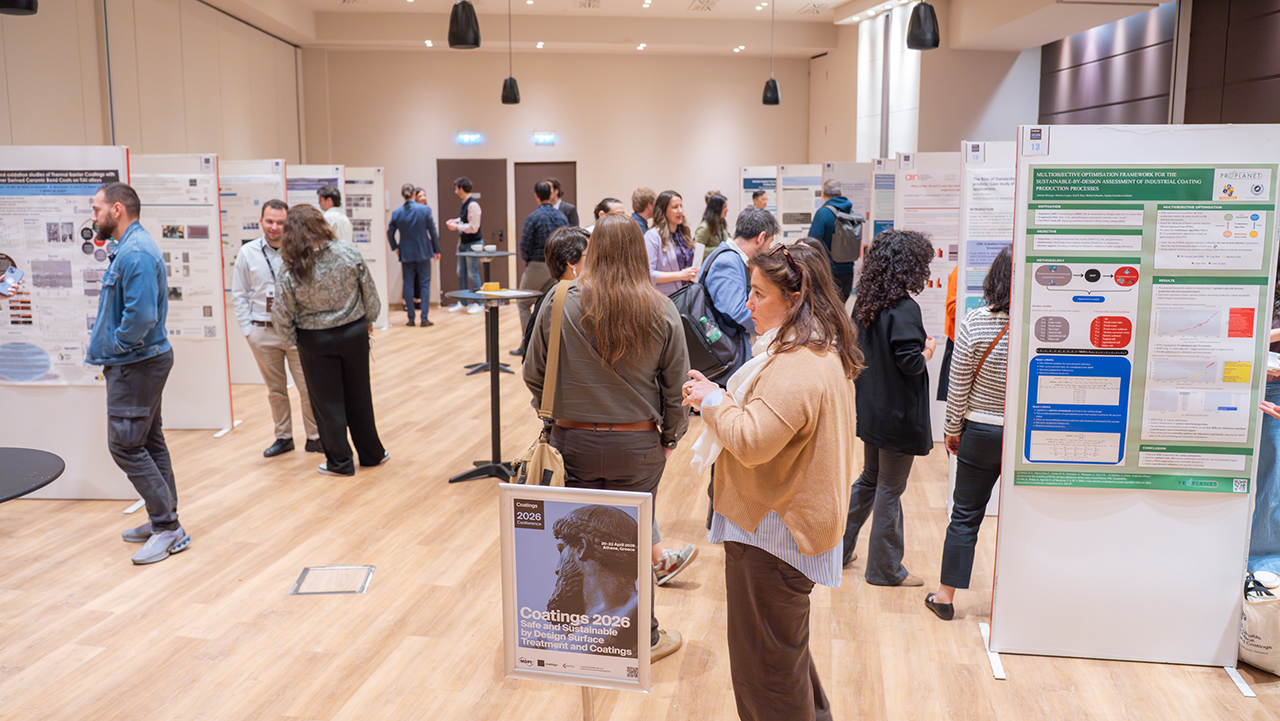
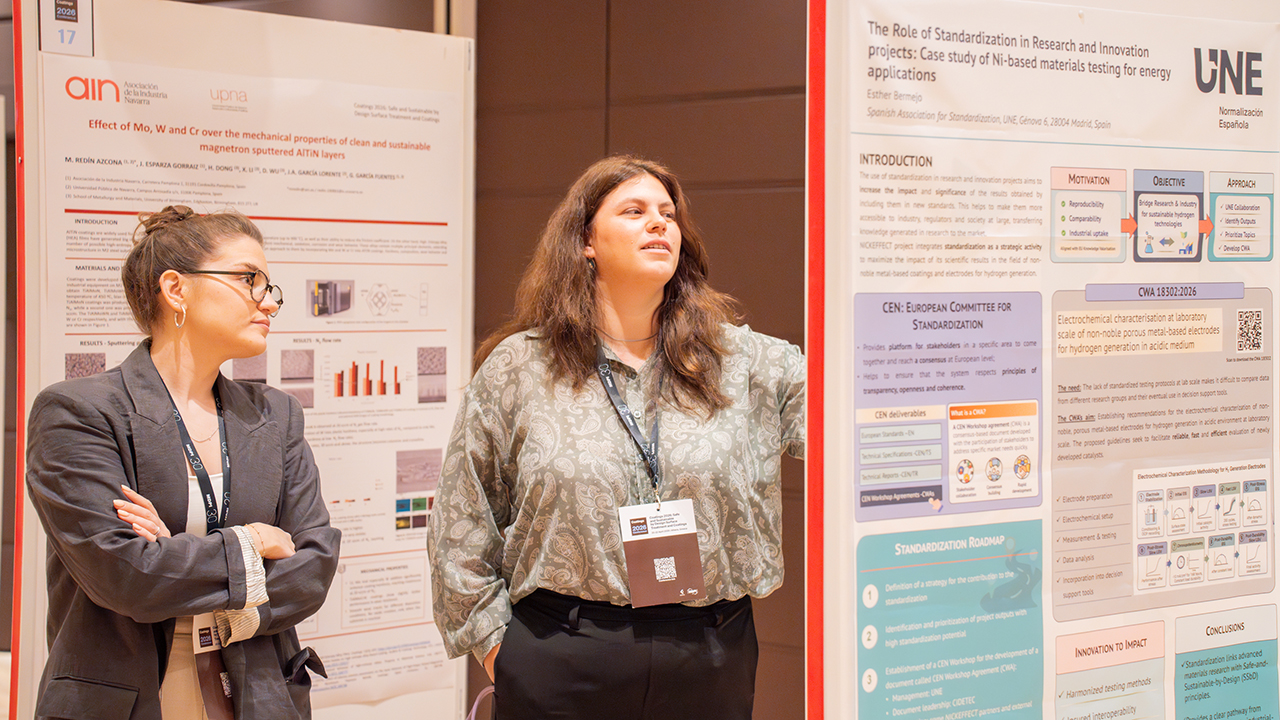
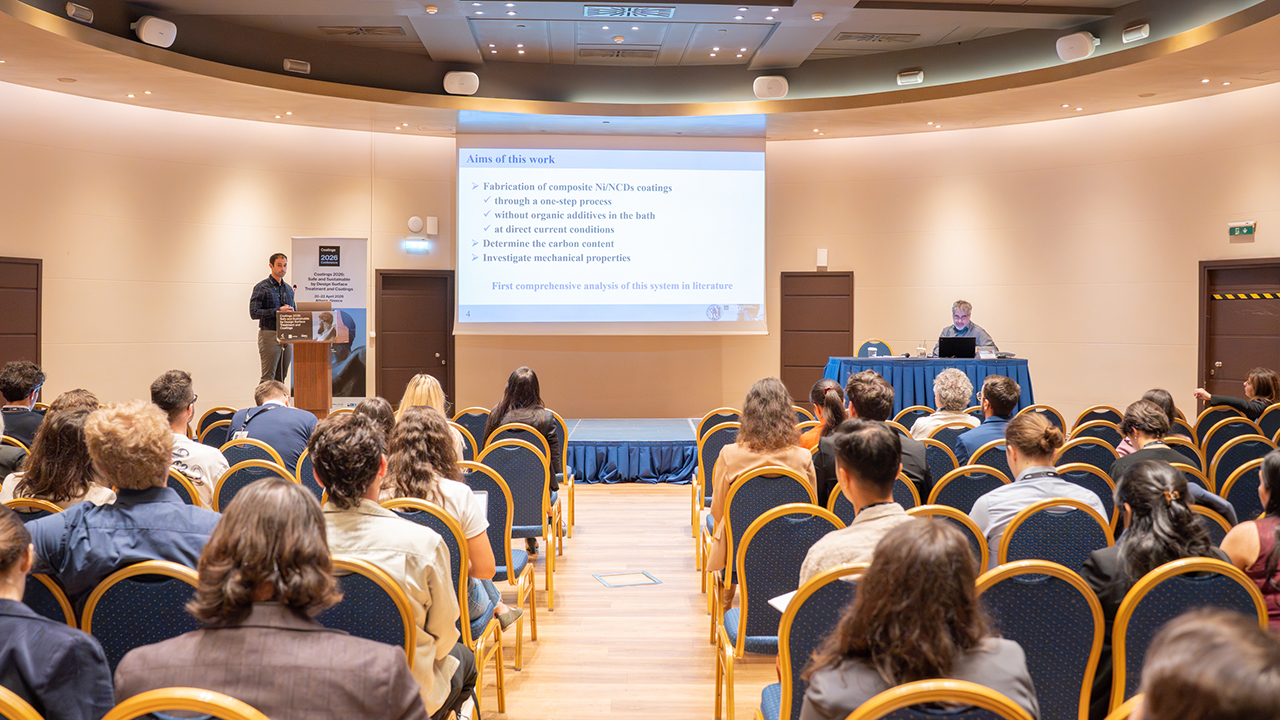
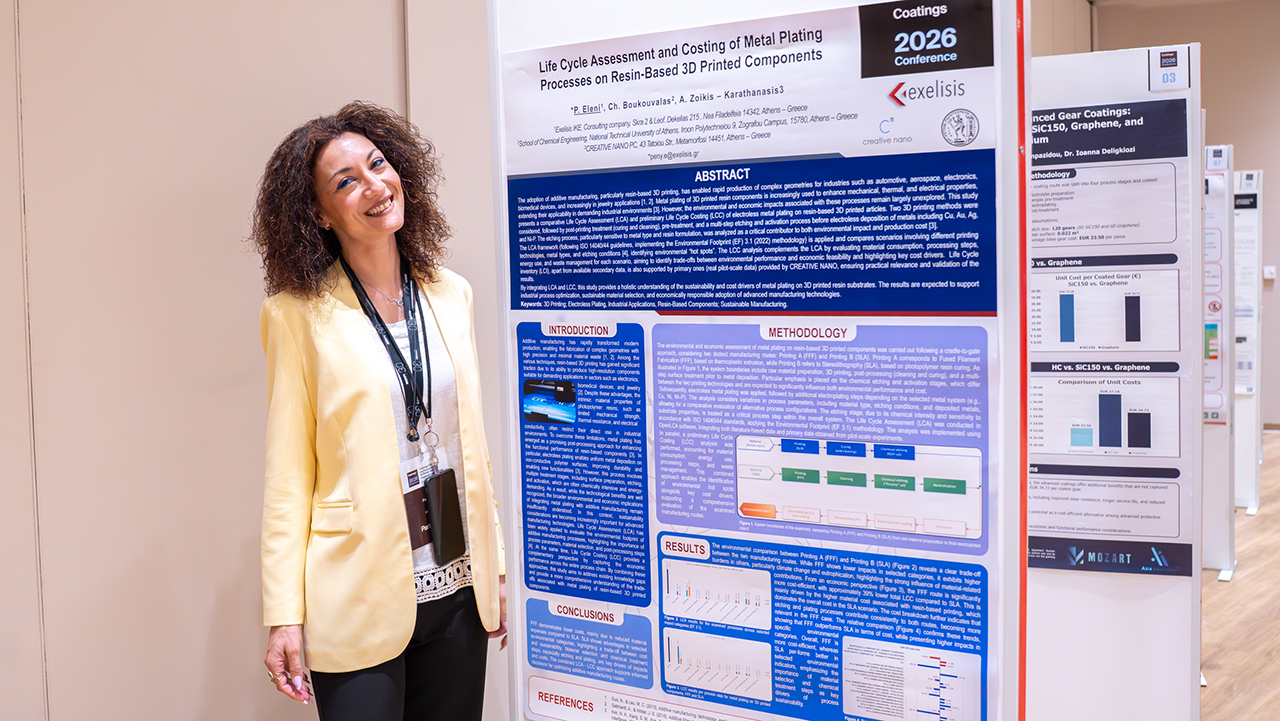
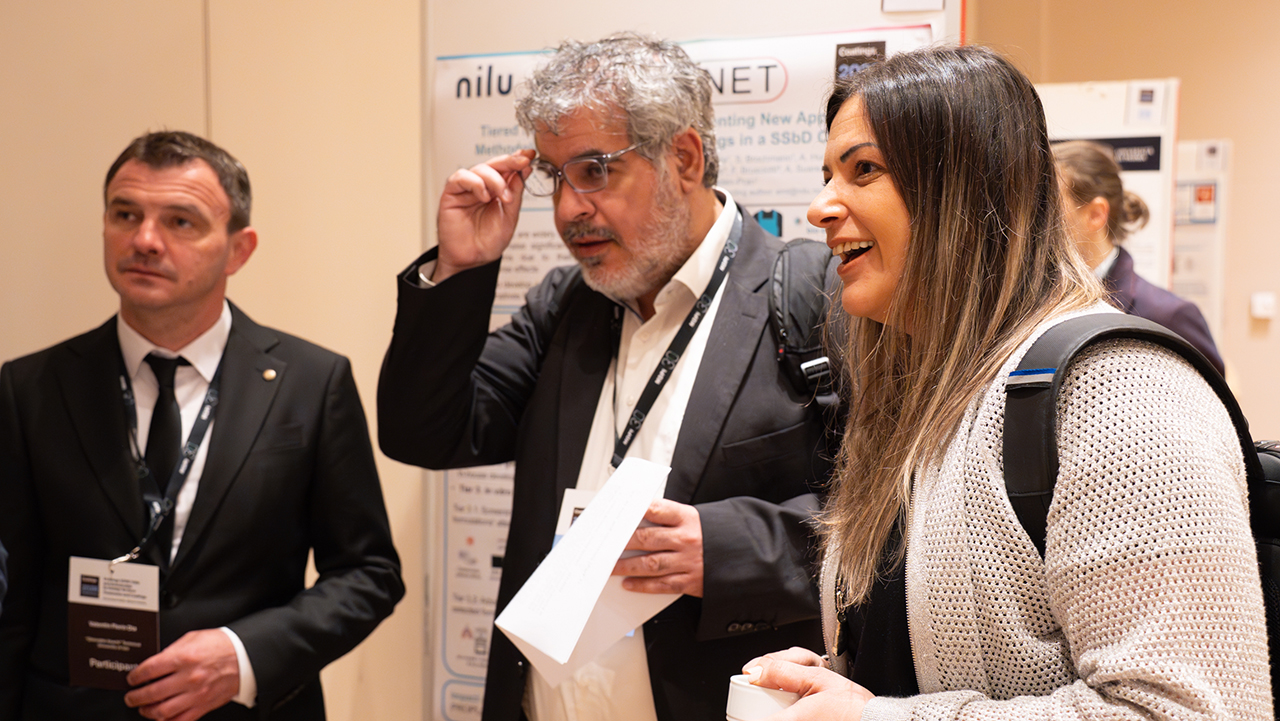
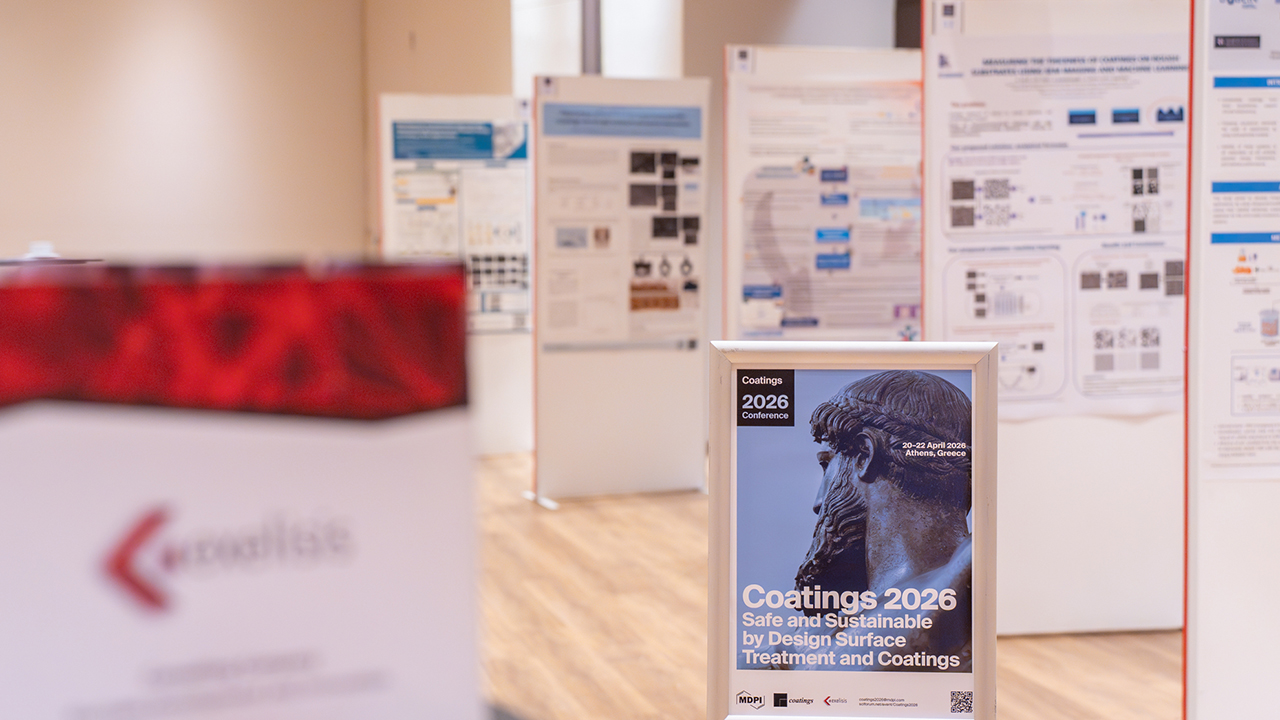
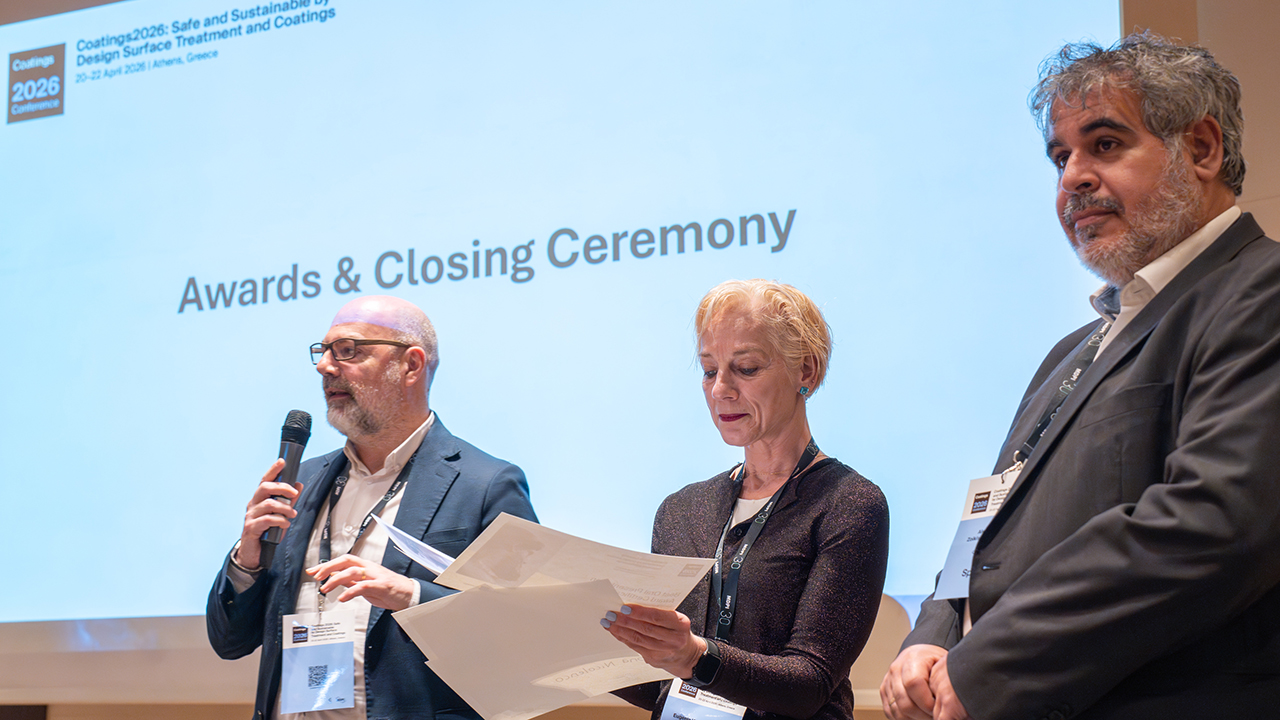
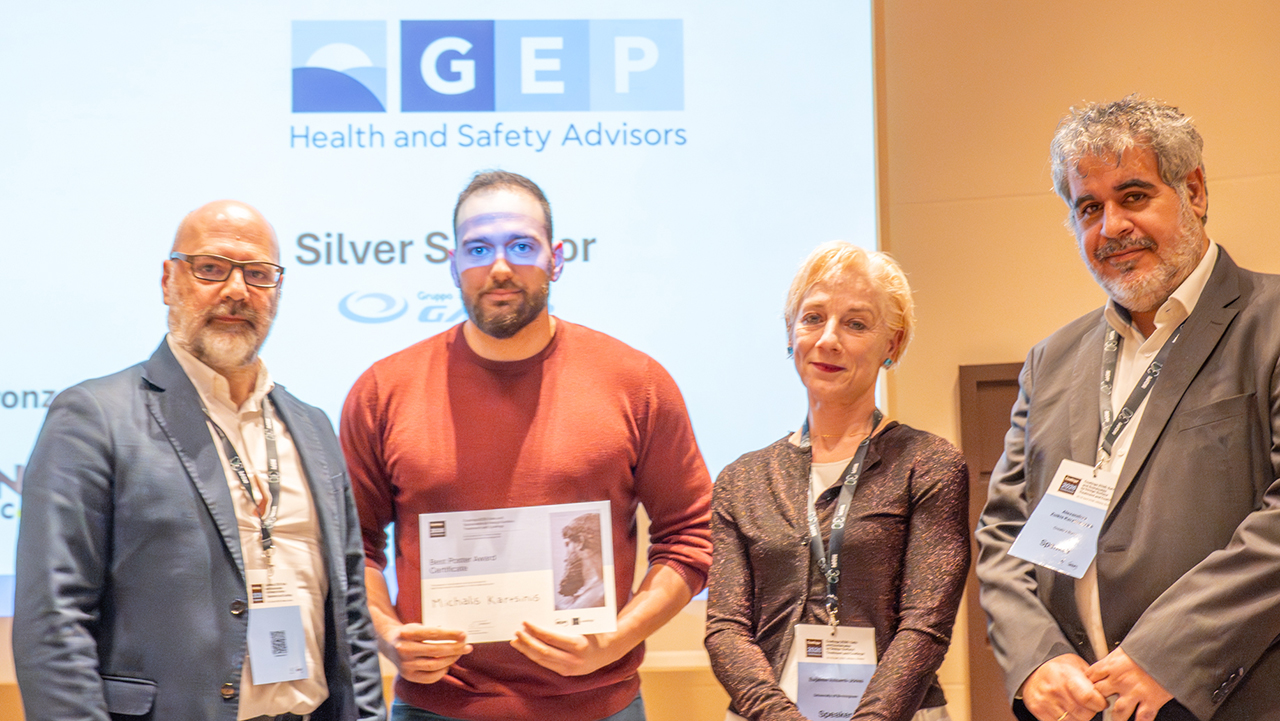
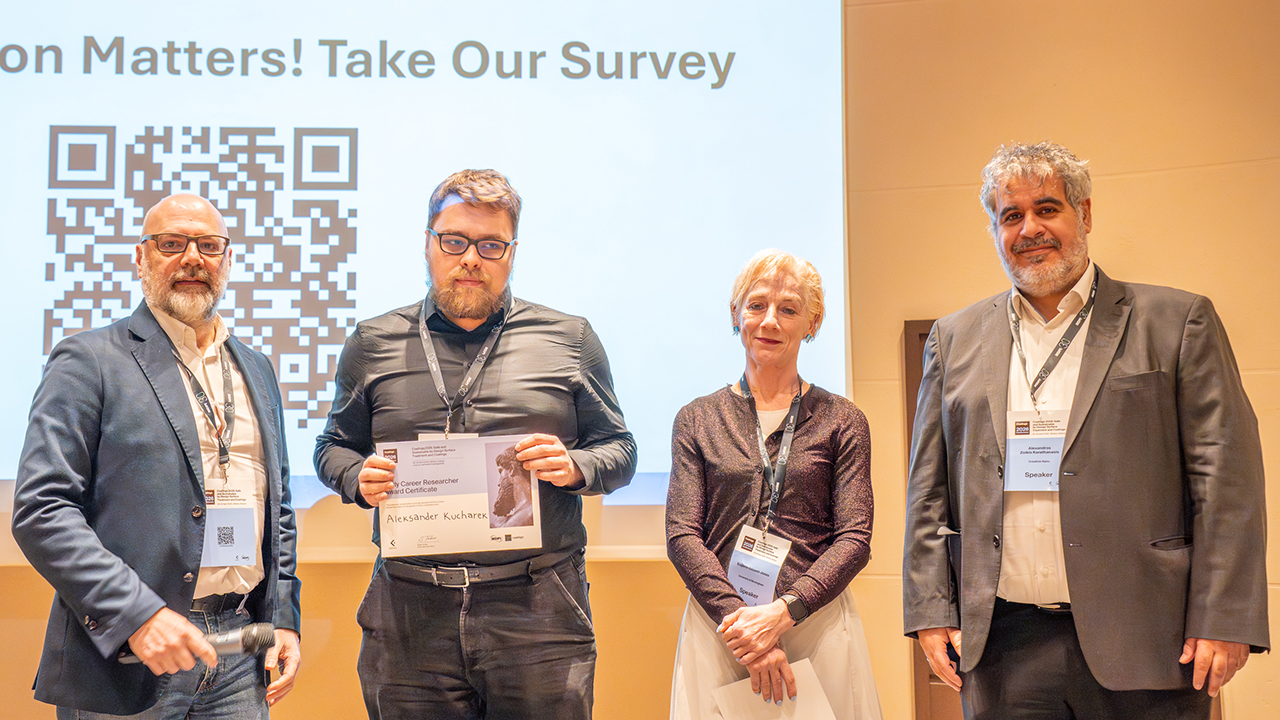
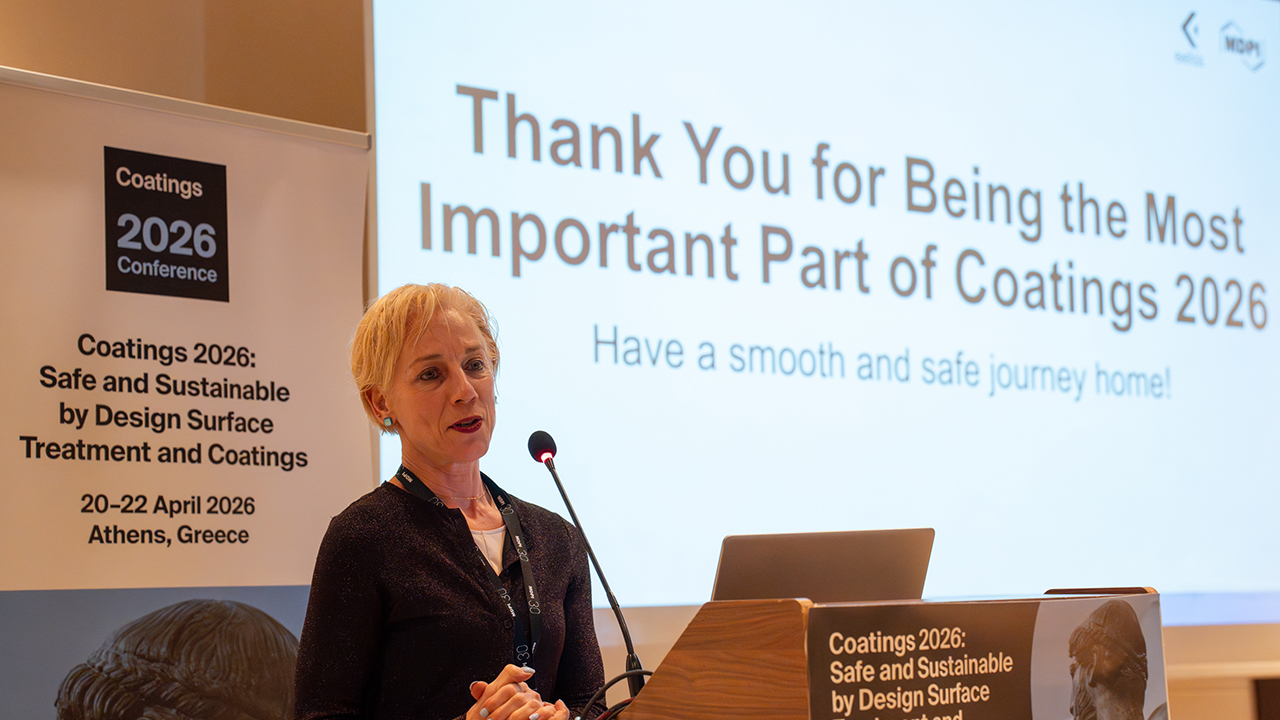
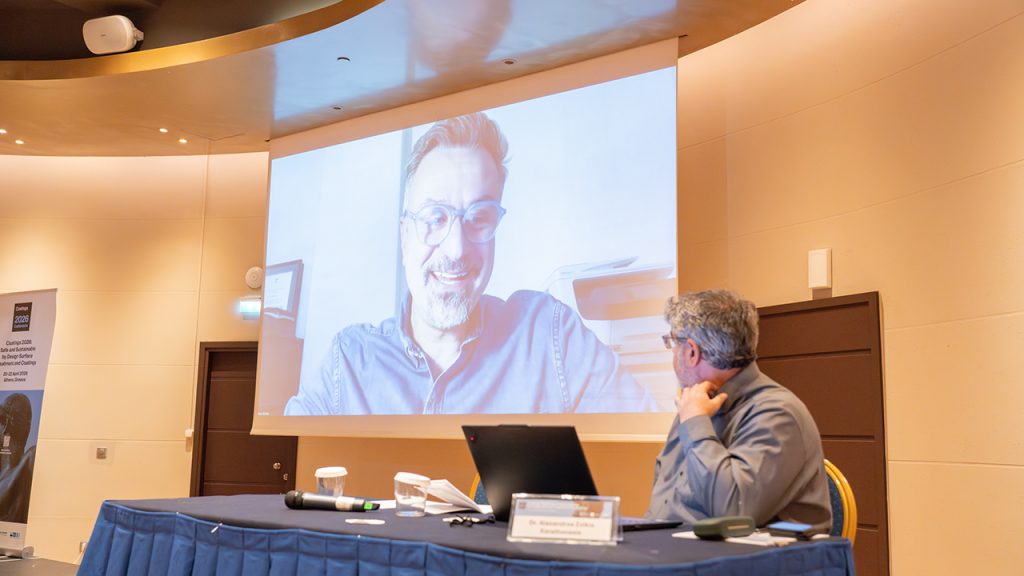
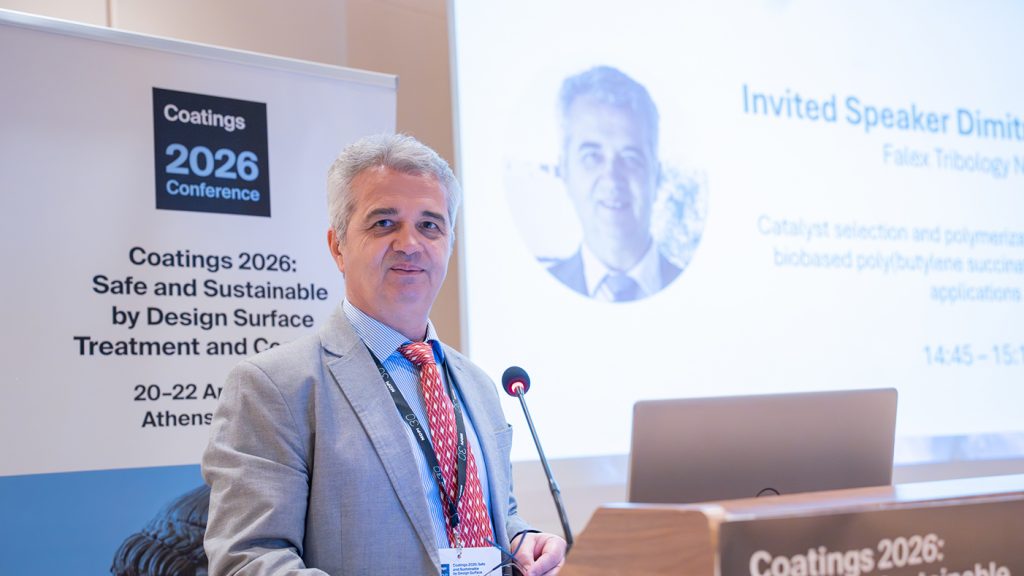
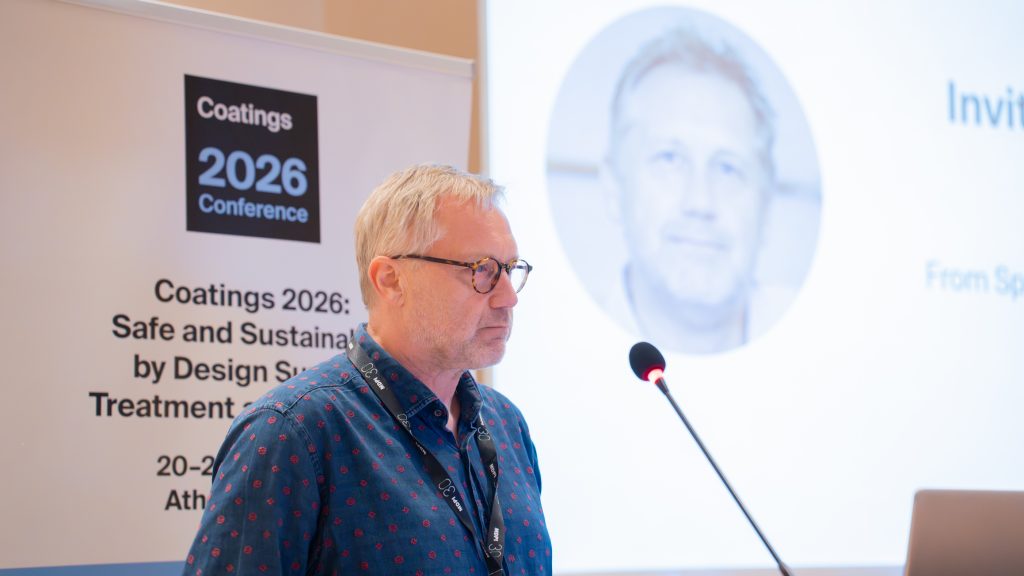
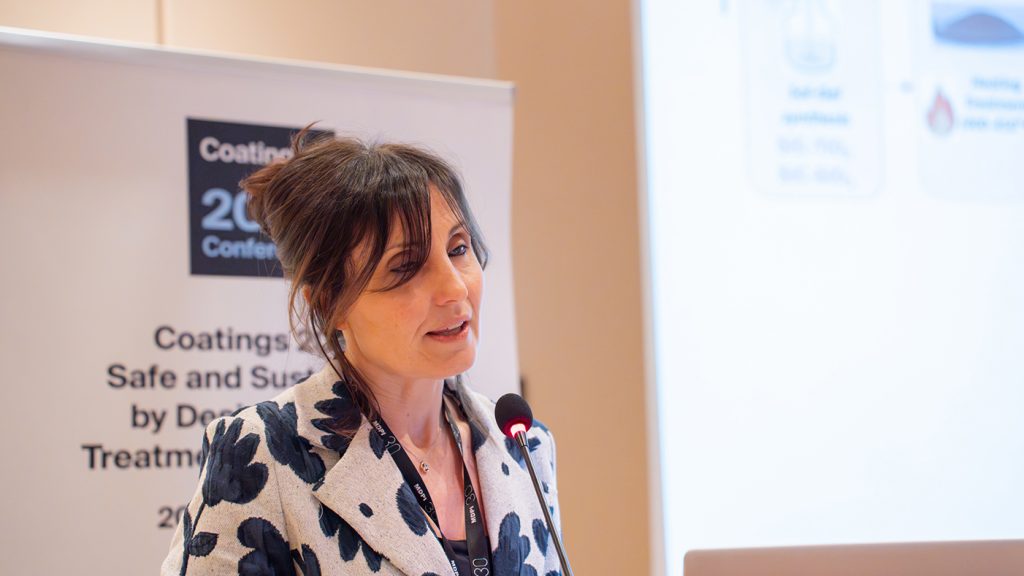
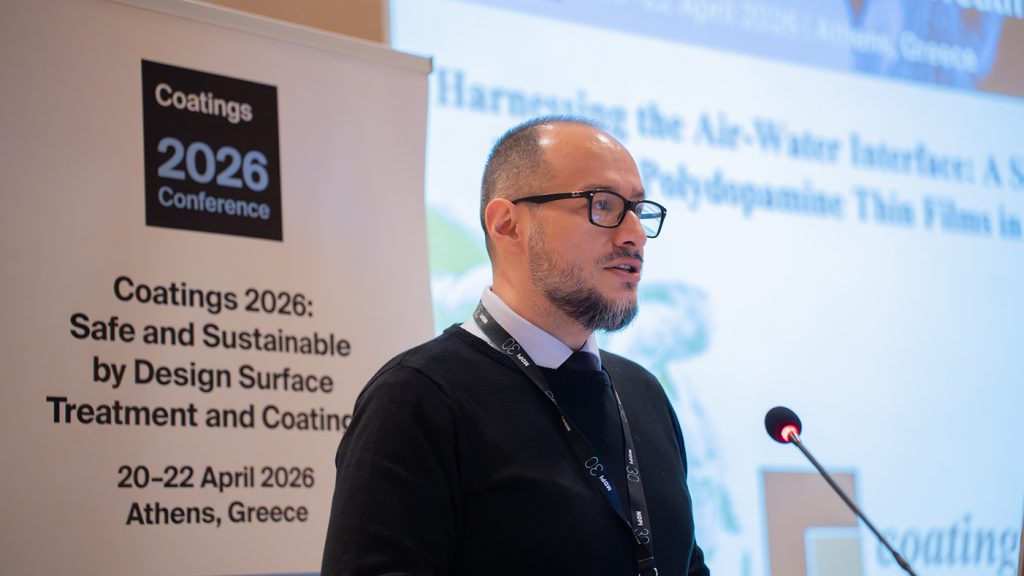
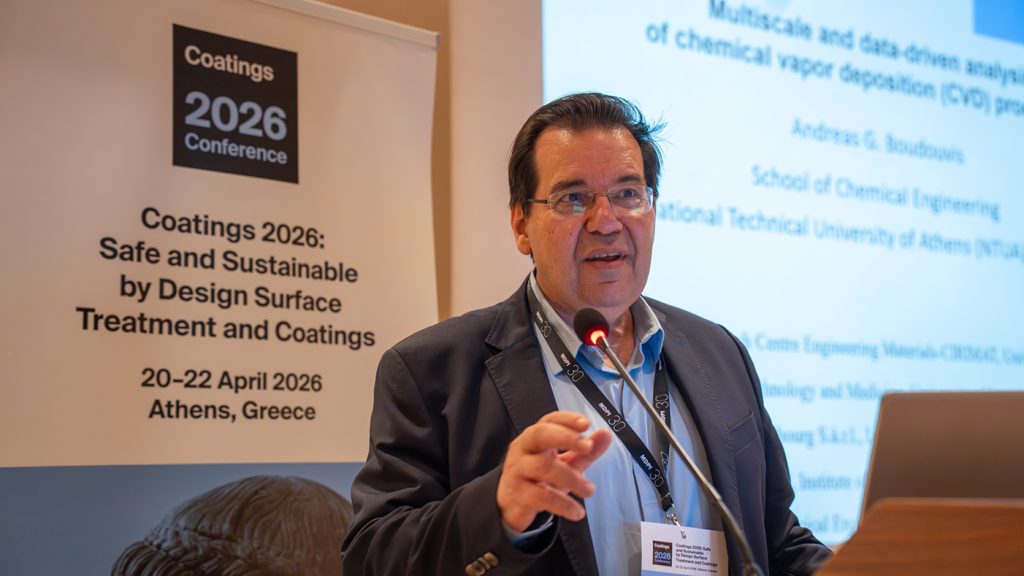
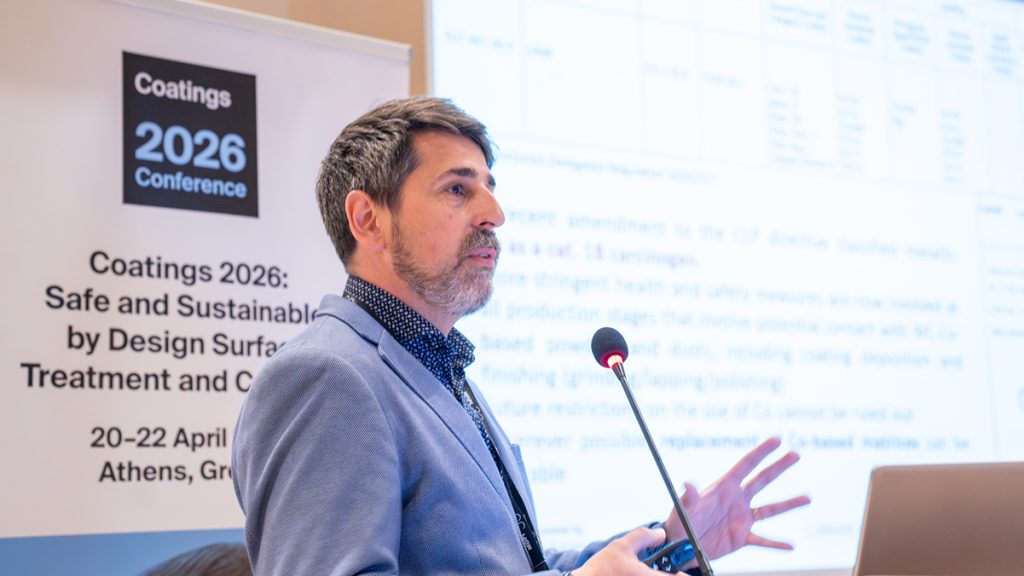
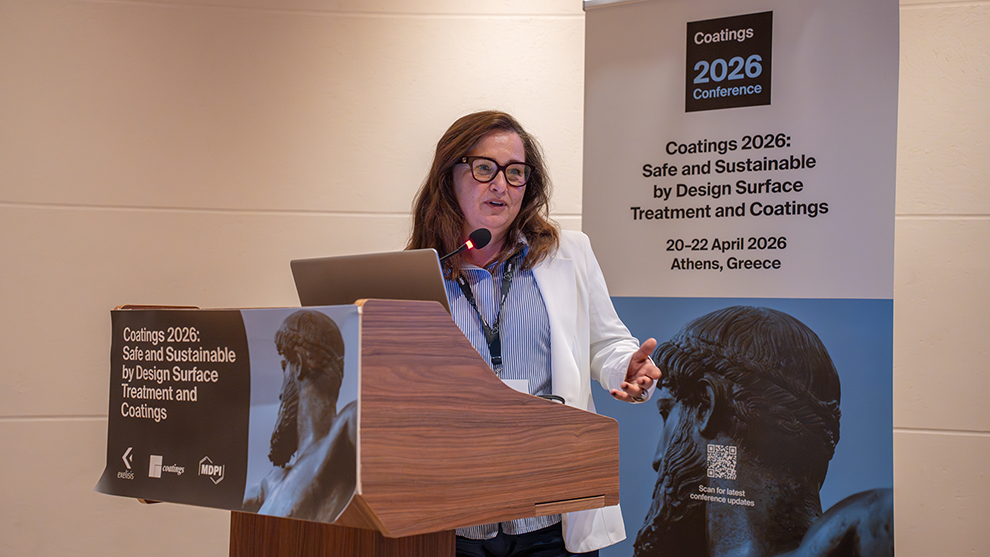
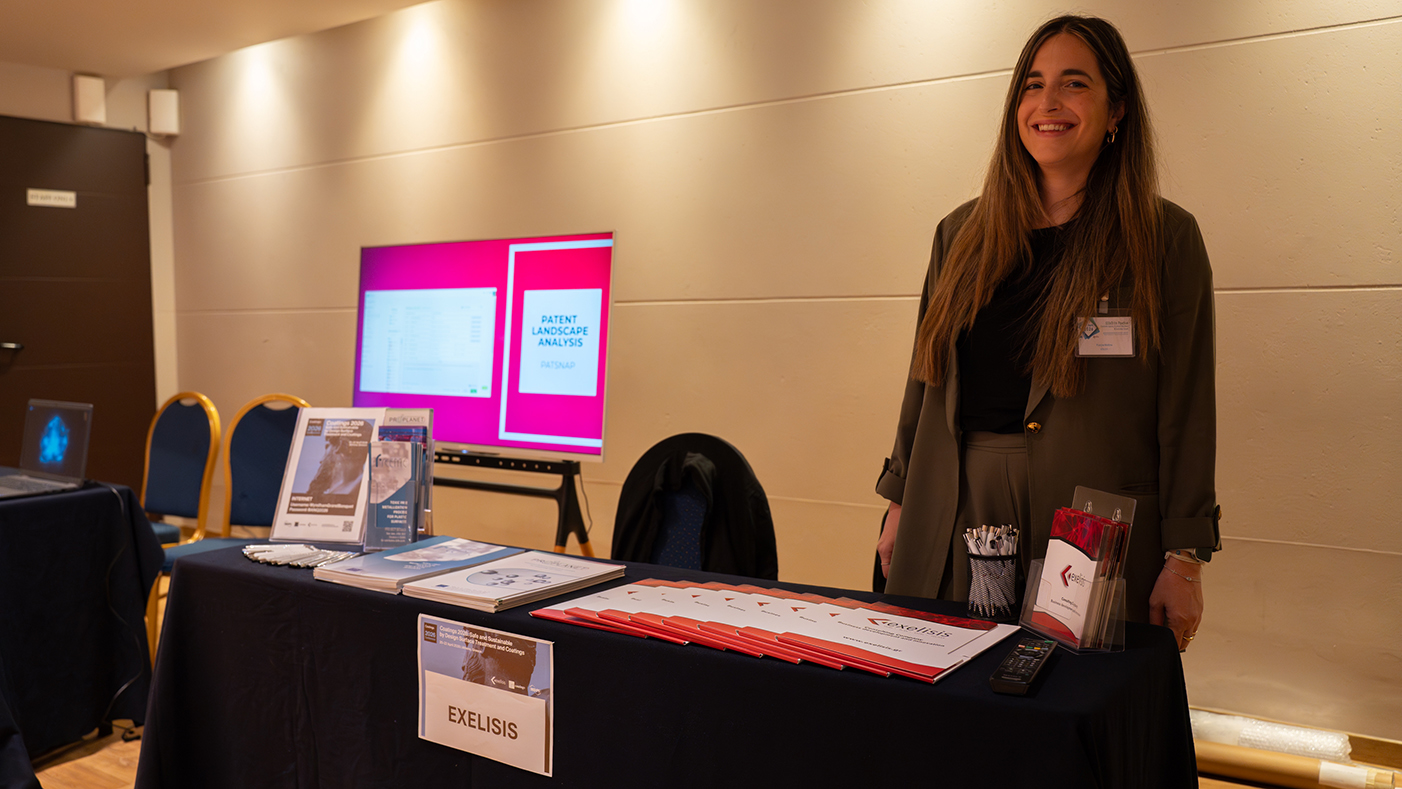
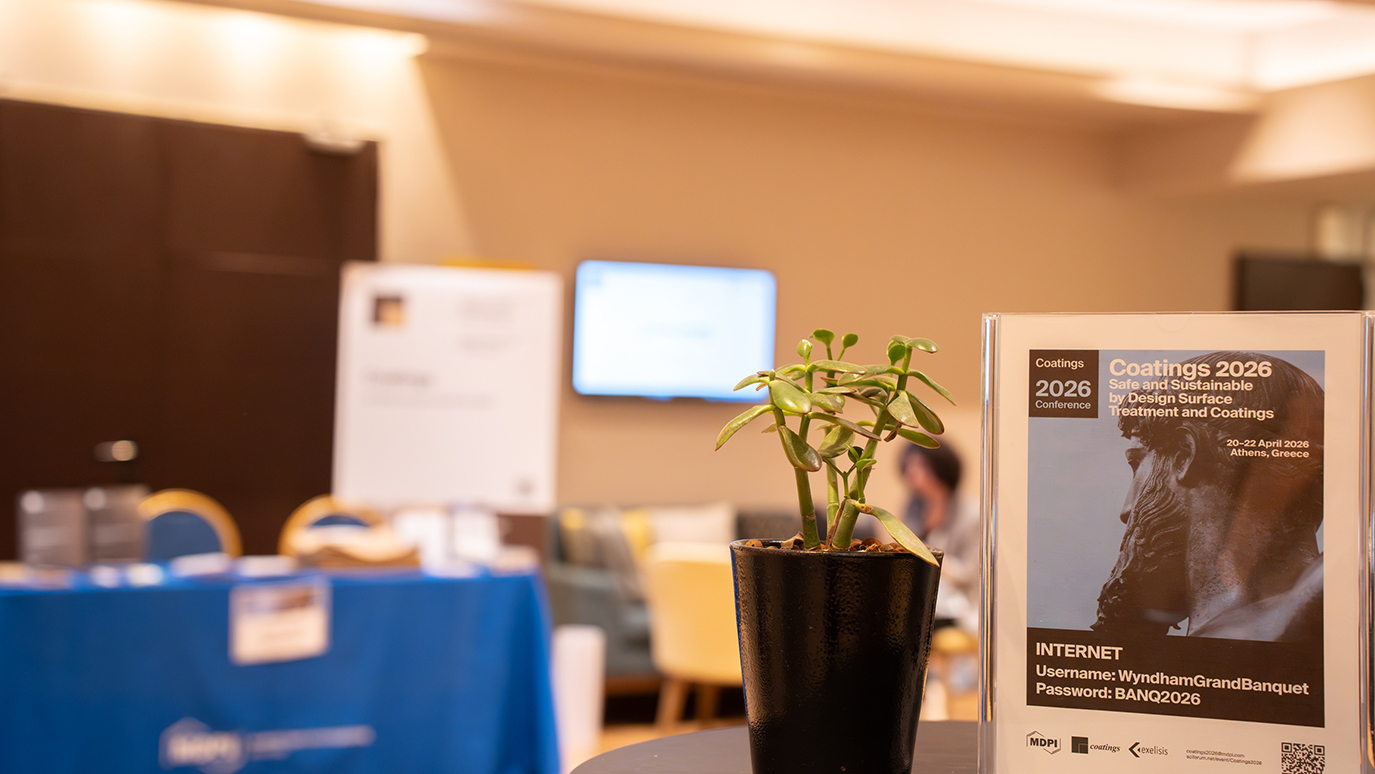
The COATINGS 2026 Conference, jointly organised by EXELISIS and MDPI, was successfully held in Athens, Greece, from 20 to 22 April 2026, bringing together the international coatings and surface‑finishing community for three days of scientific exchange, networking, and collaboration. The conference brought together over 120 registered participants from academia, industry, and policy, including representation from 60 RTOs and 40 SMEs. The programme featured 10 thematic sessions, enriched by 2 plenary and 7 invited speakers, and showcased a strong body of work with more than 50 oral presentations and over 50 poster contributions.

The scientific agenda addressed key challenges and advances in Safe and Sustainable‑by‑Design surface treatments and coatings, covering topics such as metallic and composite coatings, organic and hybrid systems, additive manufacturing surface finishing, thin‑film technologies, AI‑driven tools and simulations, SSbD approaches, and the phase‑out of substances of concern in line with evolving environmental regulations. Two full days of poster sessions provided an interactive forum for in‑depth discussion and knowledge exchange.

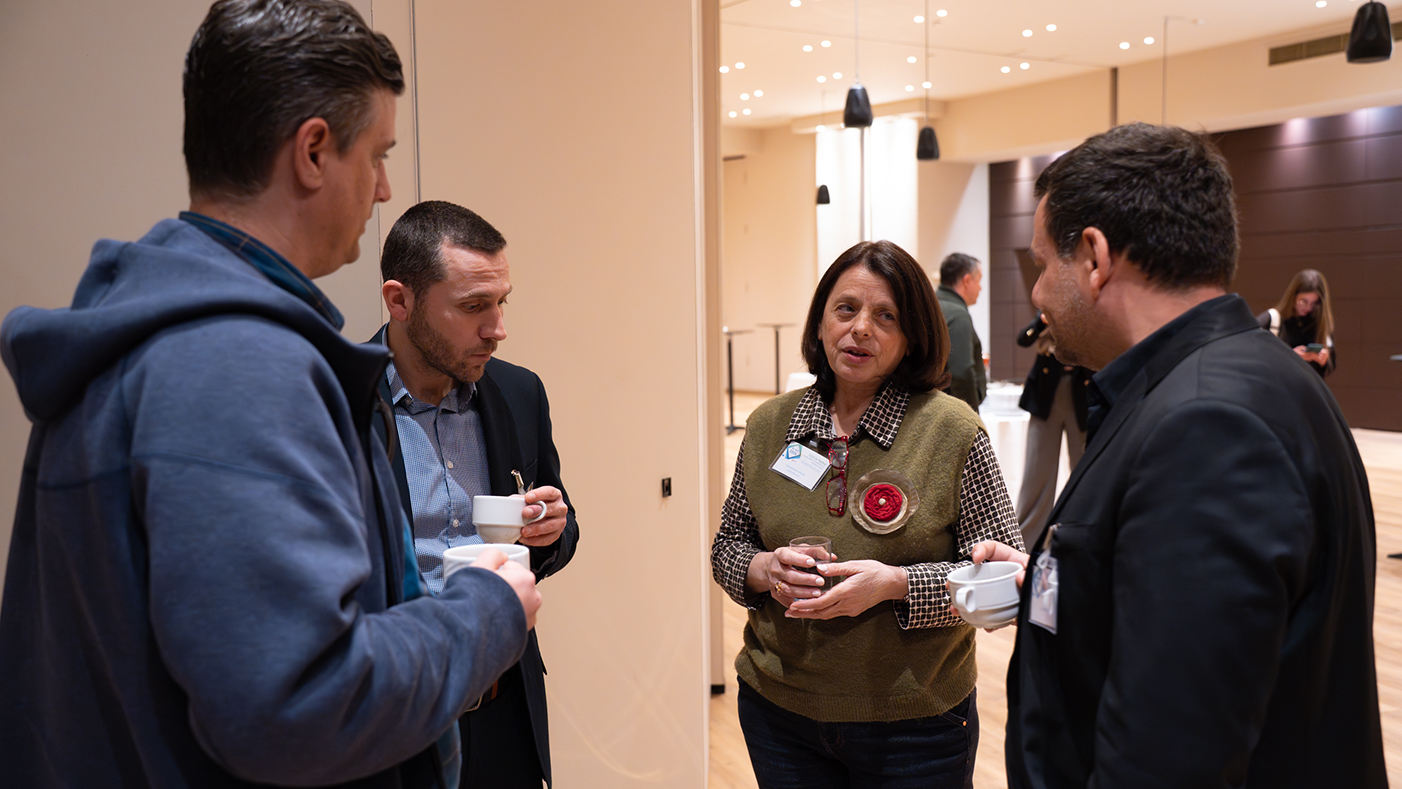
Beyond the technical programme, the conference included dedicated networking and social activities, fostering collaboration across disciplines, projects, and sectors, and reinforcing the role of COATINGS 2026 as a key platform for shaping a more sustainable future for surface‑finishing technologies.


COATINGS 2026 Chairs

Prof. Dr. Luca Magagnin | Prof. Dr. Eugenia (Éva) Valsami-Jones | Dr. Alexandros Zoikis Karathanasis

Sessions
and
Topics

Advances in metallic and metal matrix composite coatings

Advances in organic and hybrid coatings

Advances in methods and equipment

Surface finishing for additive manufacturing

Application of the SSbD framework on the surface finishing industry

Advances in thermal spraying

Thin film technologies and applications

Anodizing of light alloys

AI tools and simulations

Phasing out substances of concern from the surface finishing industry

THE TOP MOMENTS
of a successful conference
Check out
the conference videos
INVITED
& Plenary
Speakers

1500x775SSbD
[ May 19, 2006 by vasoula2025 0 Comments ]

SSbD in Practice

THANK U
for Being Part of
– SSbD in Practice –

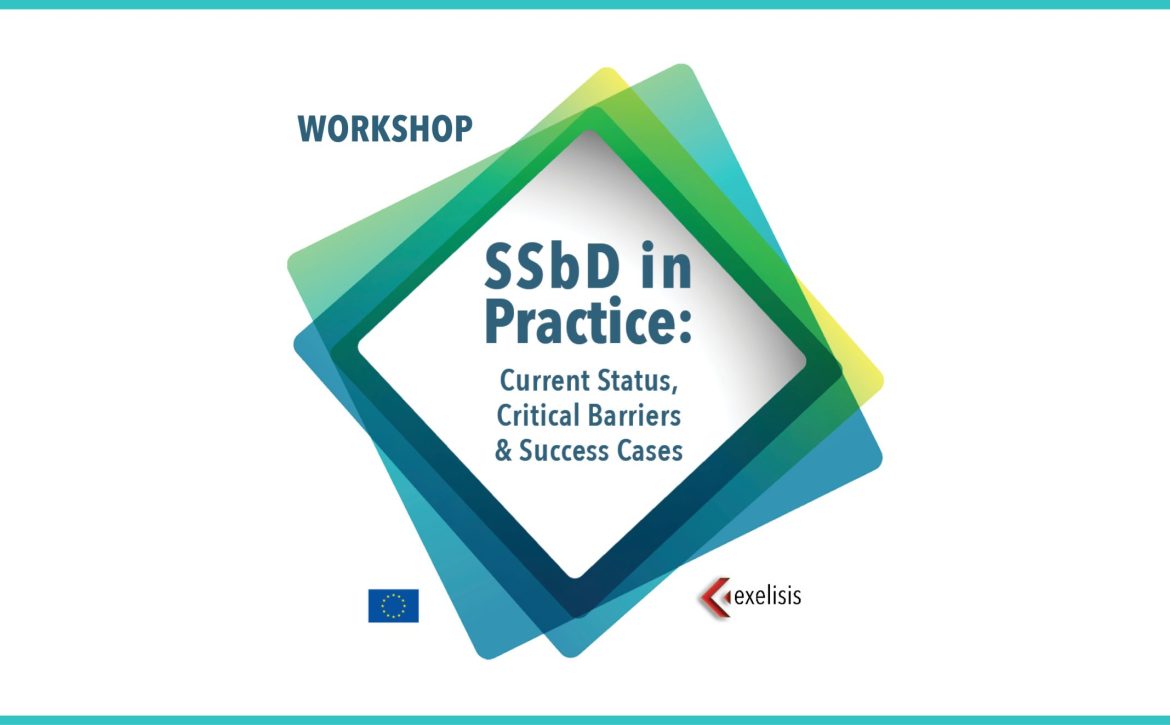
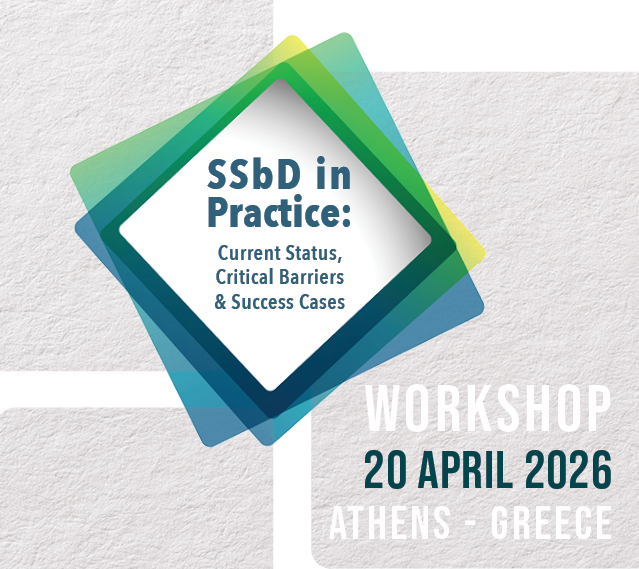
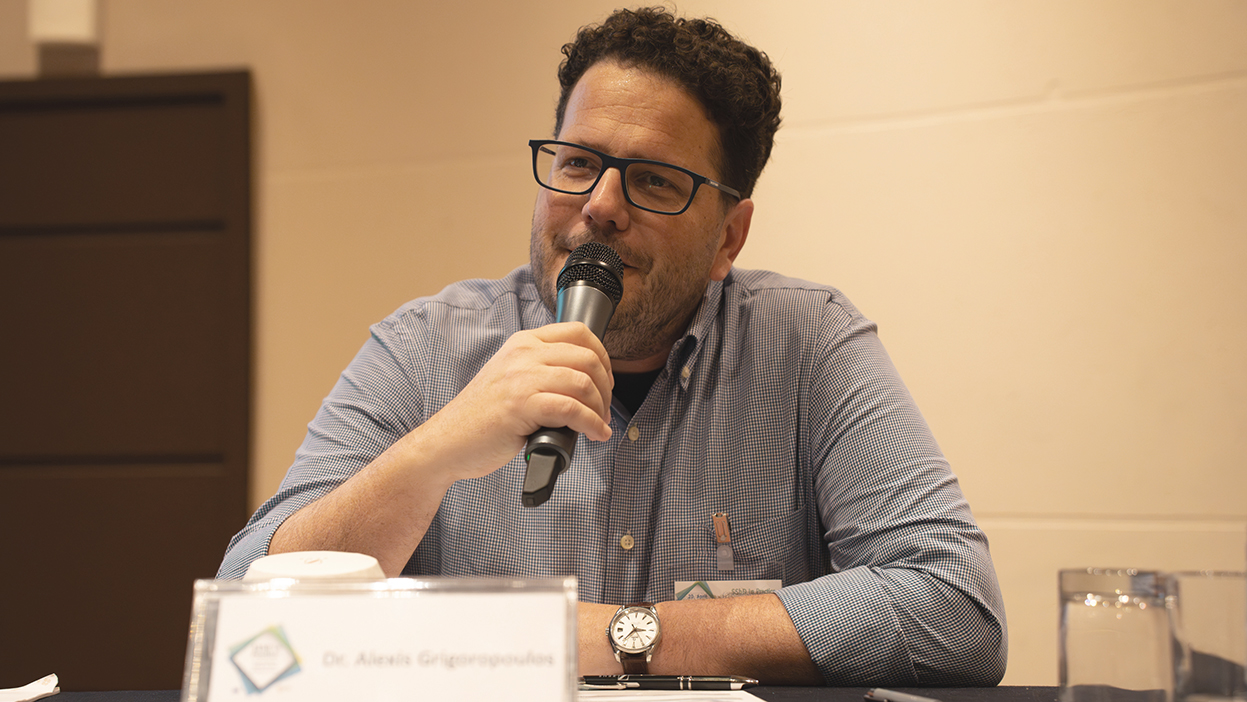
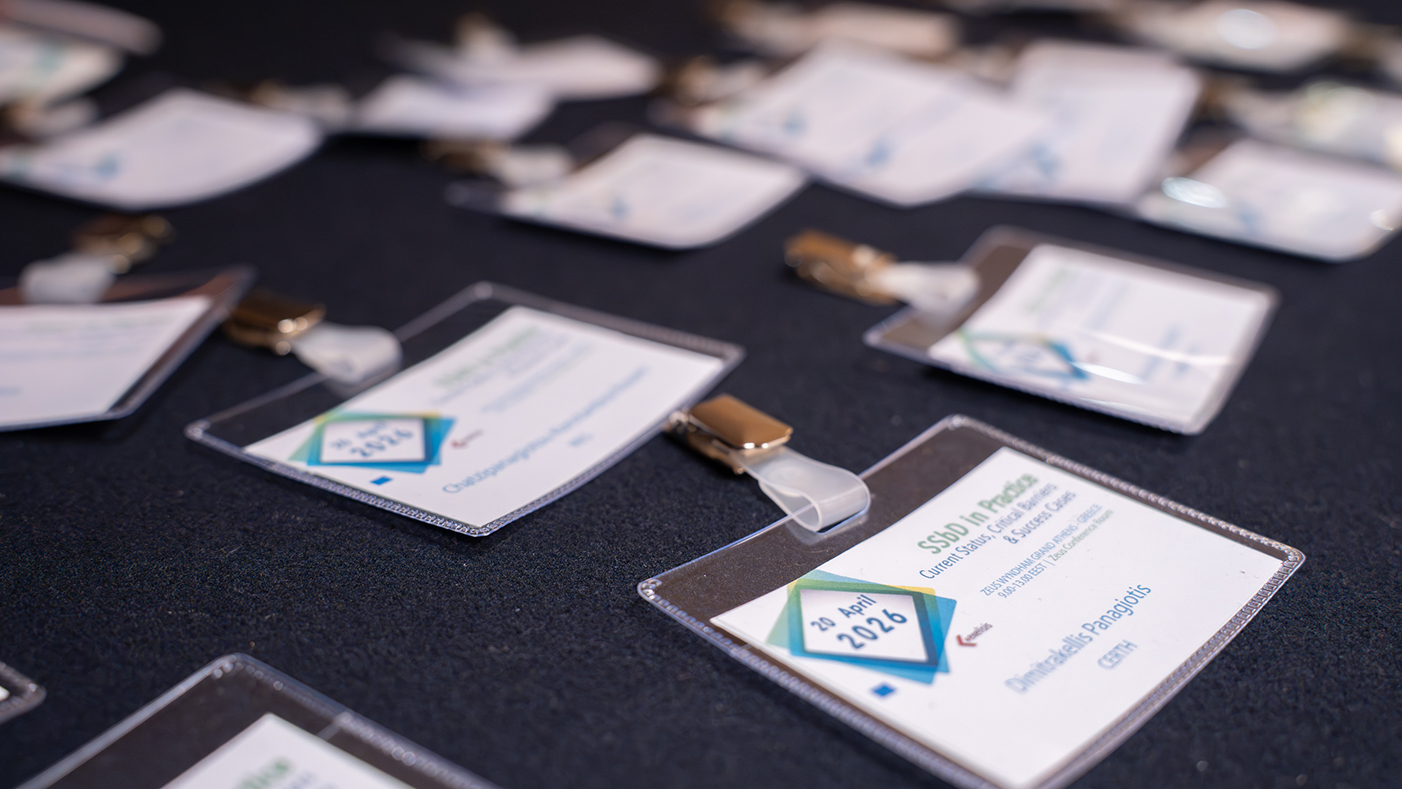
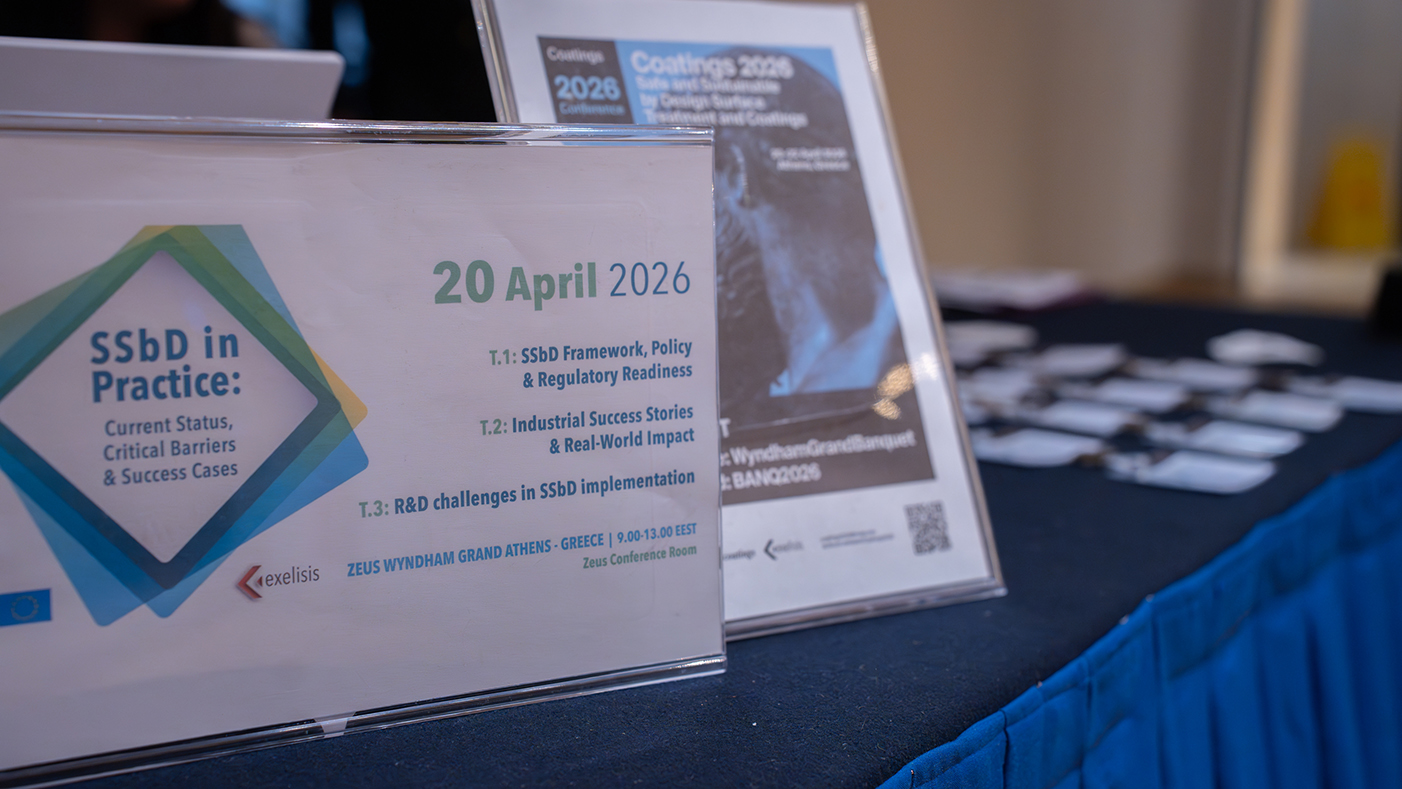
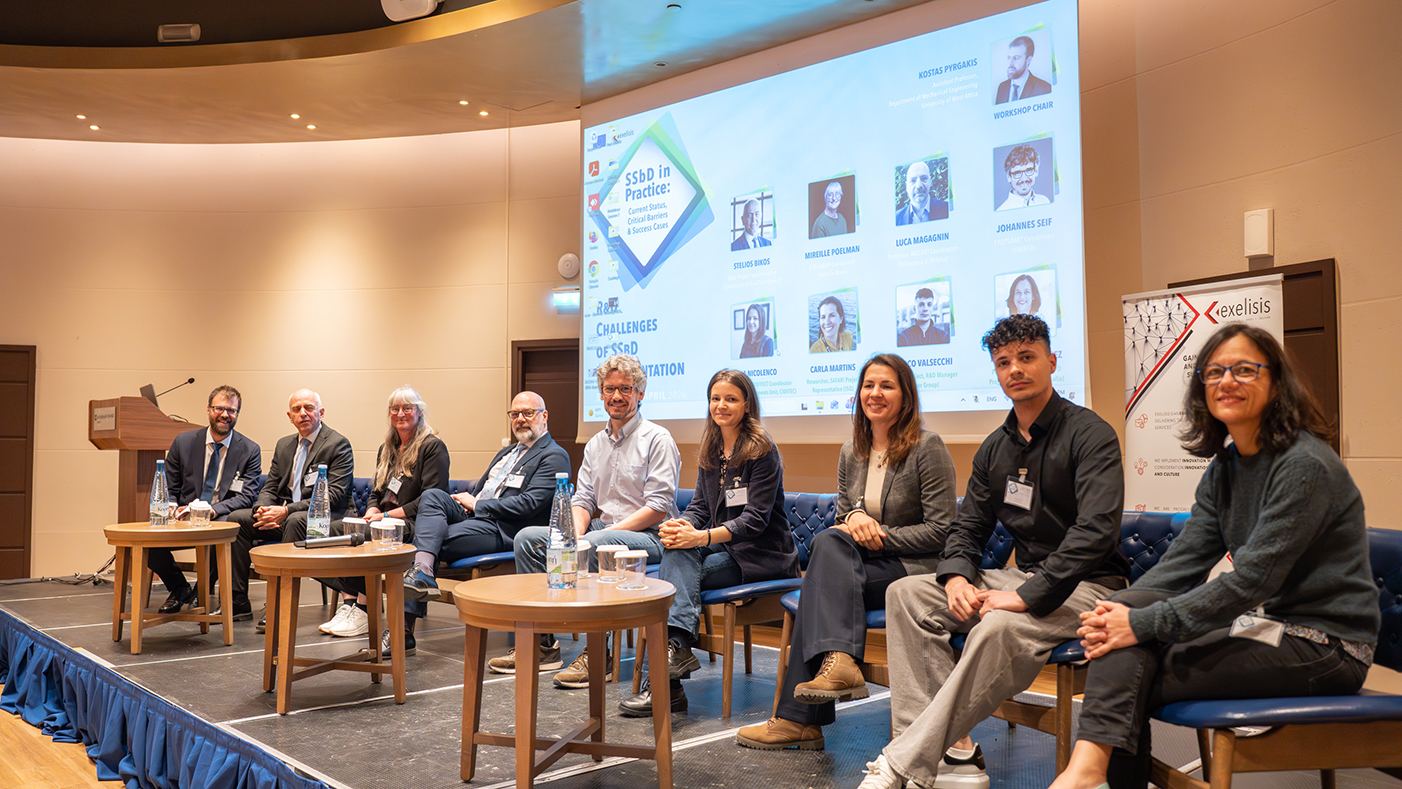
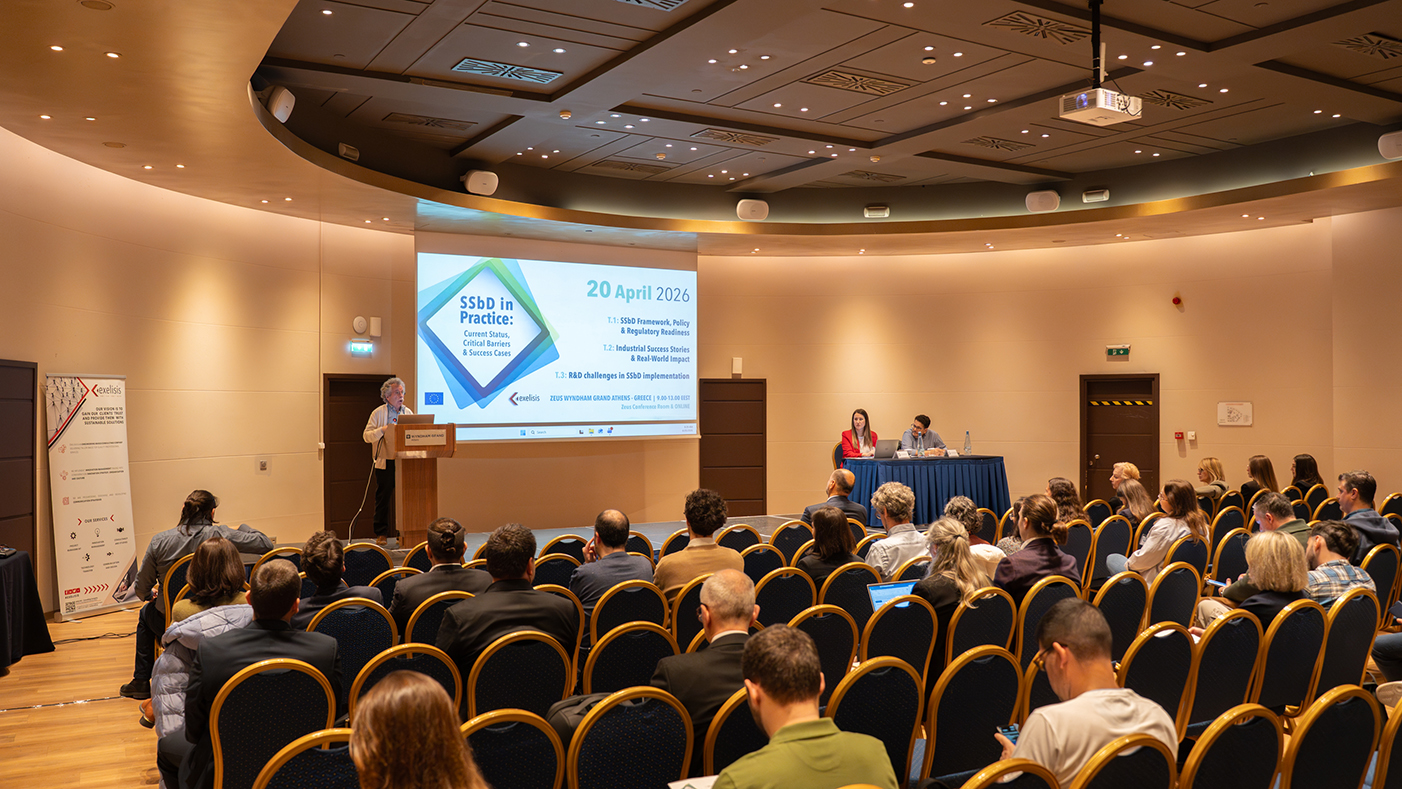
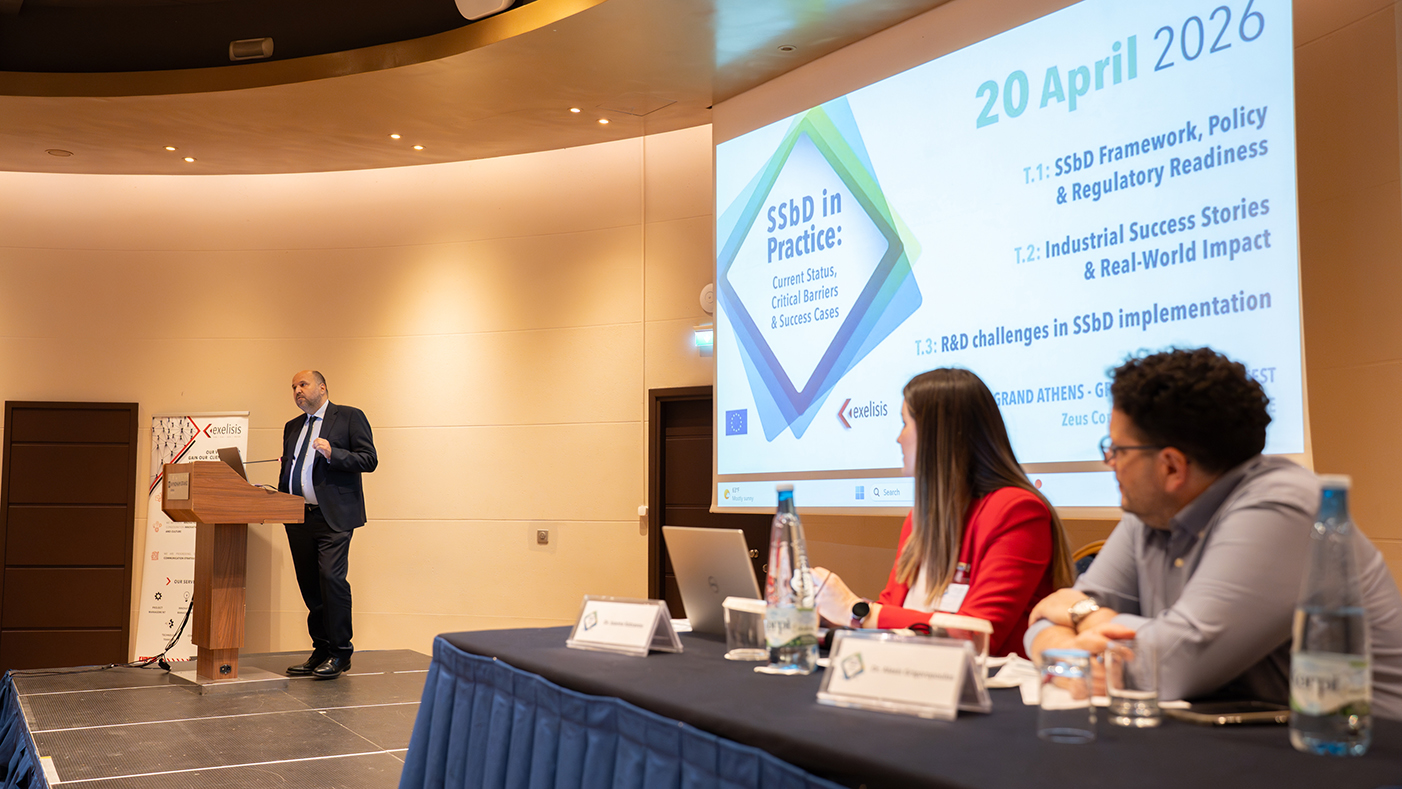
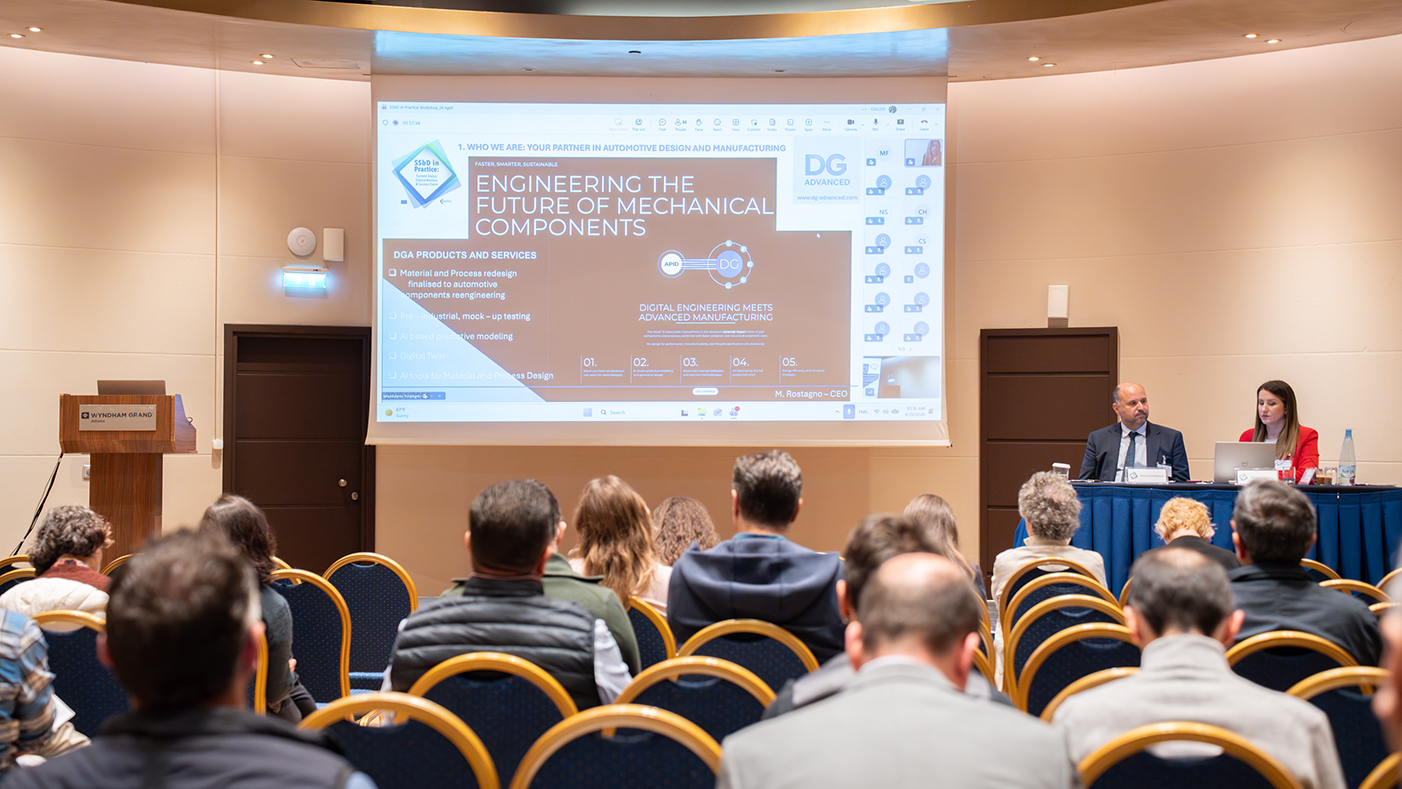
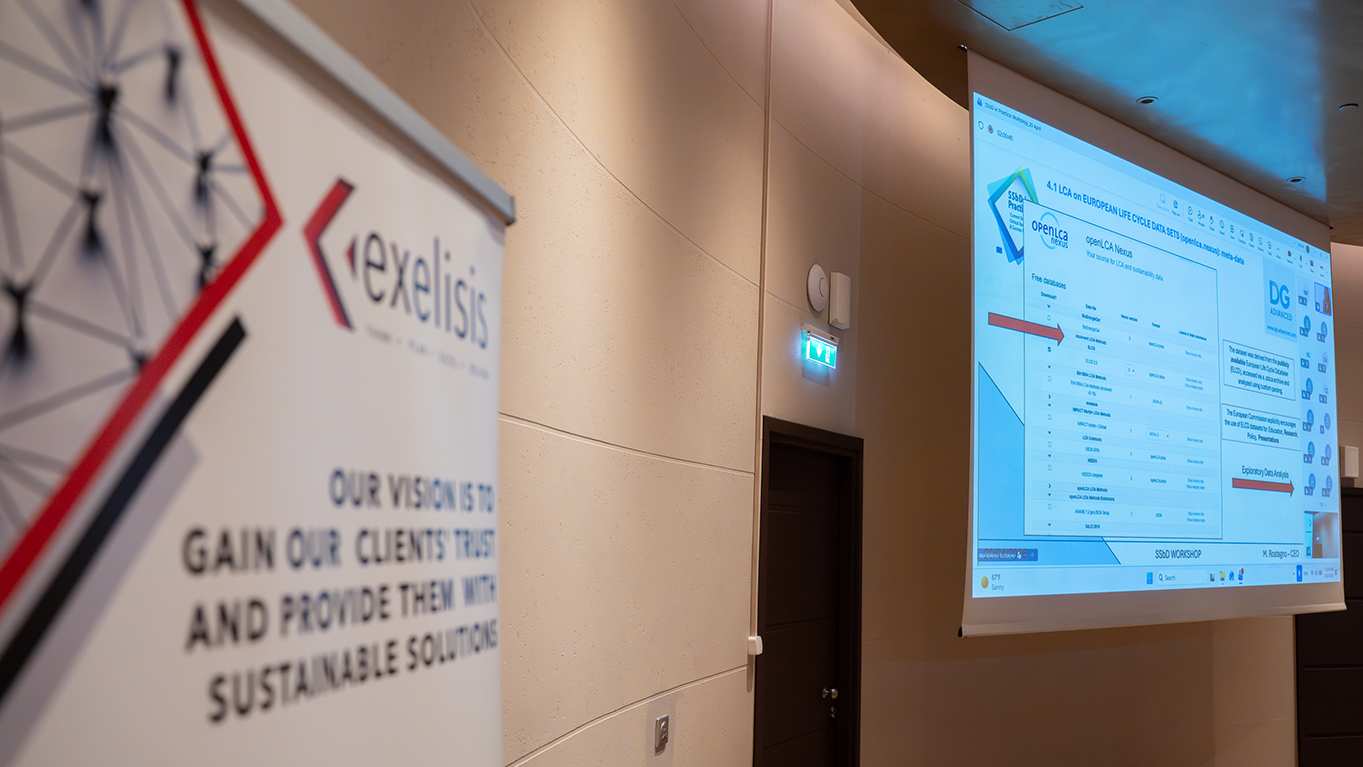
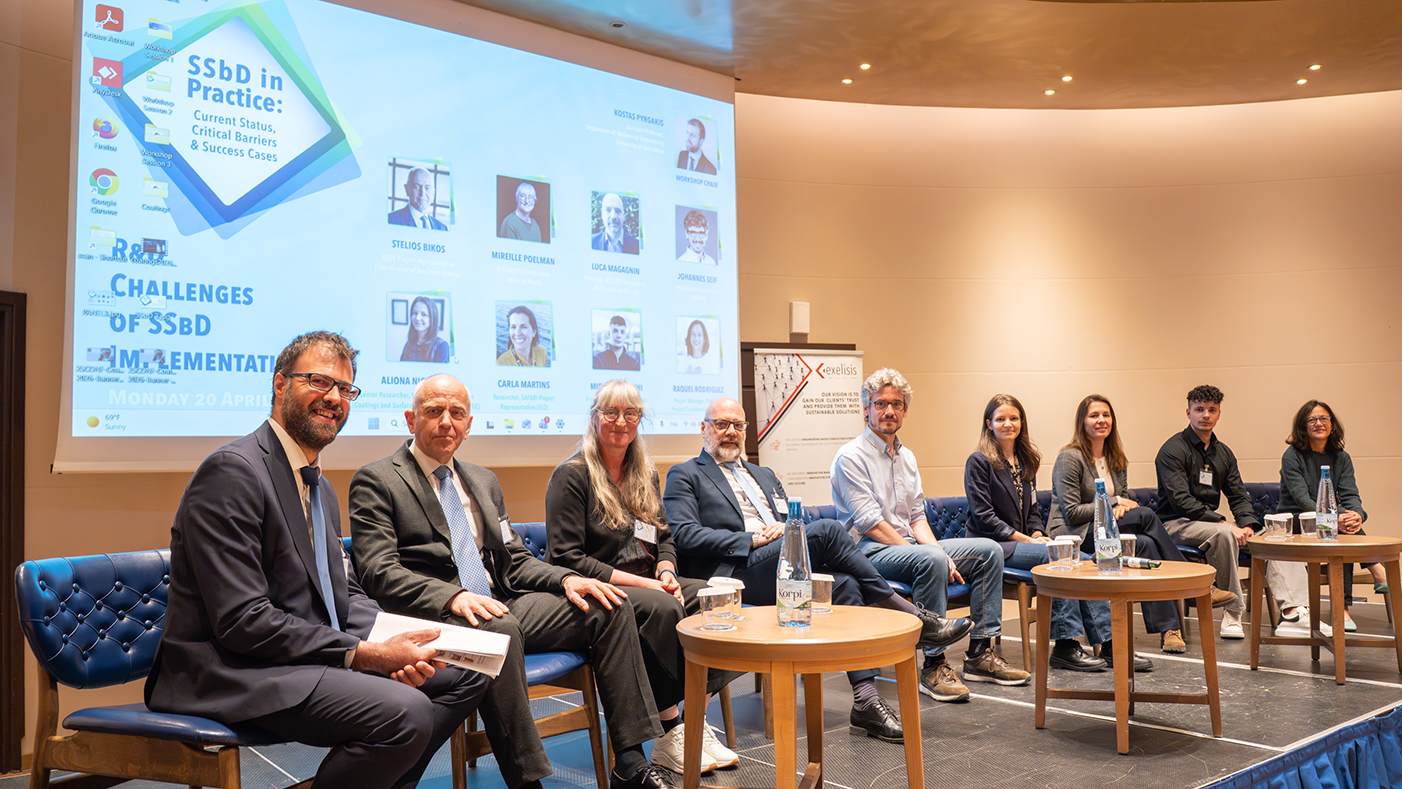
The workshop “SSbD in Practice: Current Status, Critical Barriers and Success Cases”, organised by EXELISIS with the support of the European Union, was successfully held on 20 April 2026 at the ZEUS Wyndham Grand Athens.

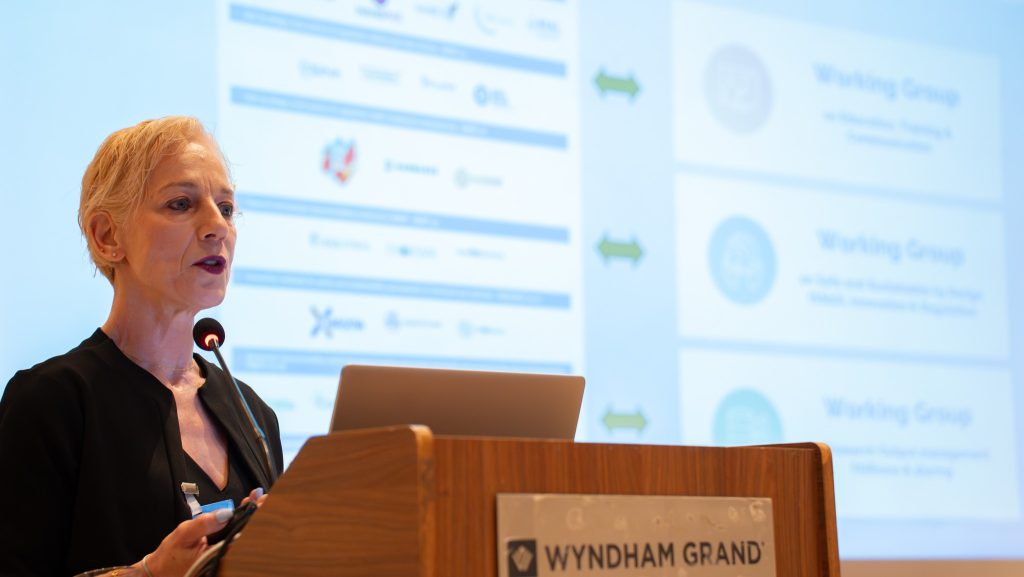
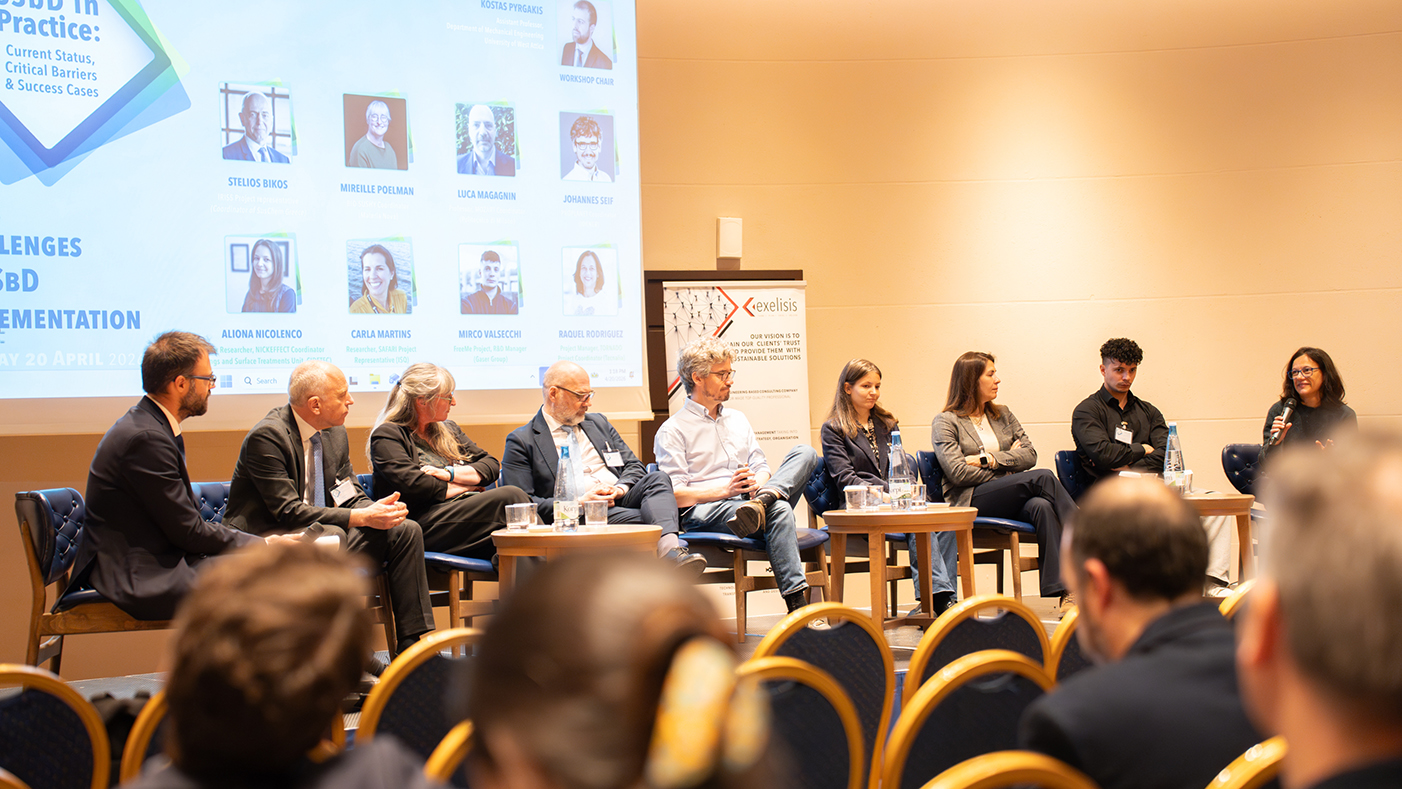
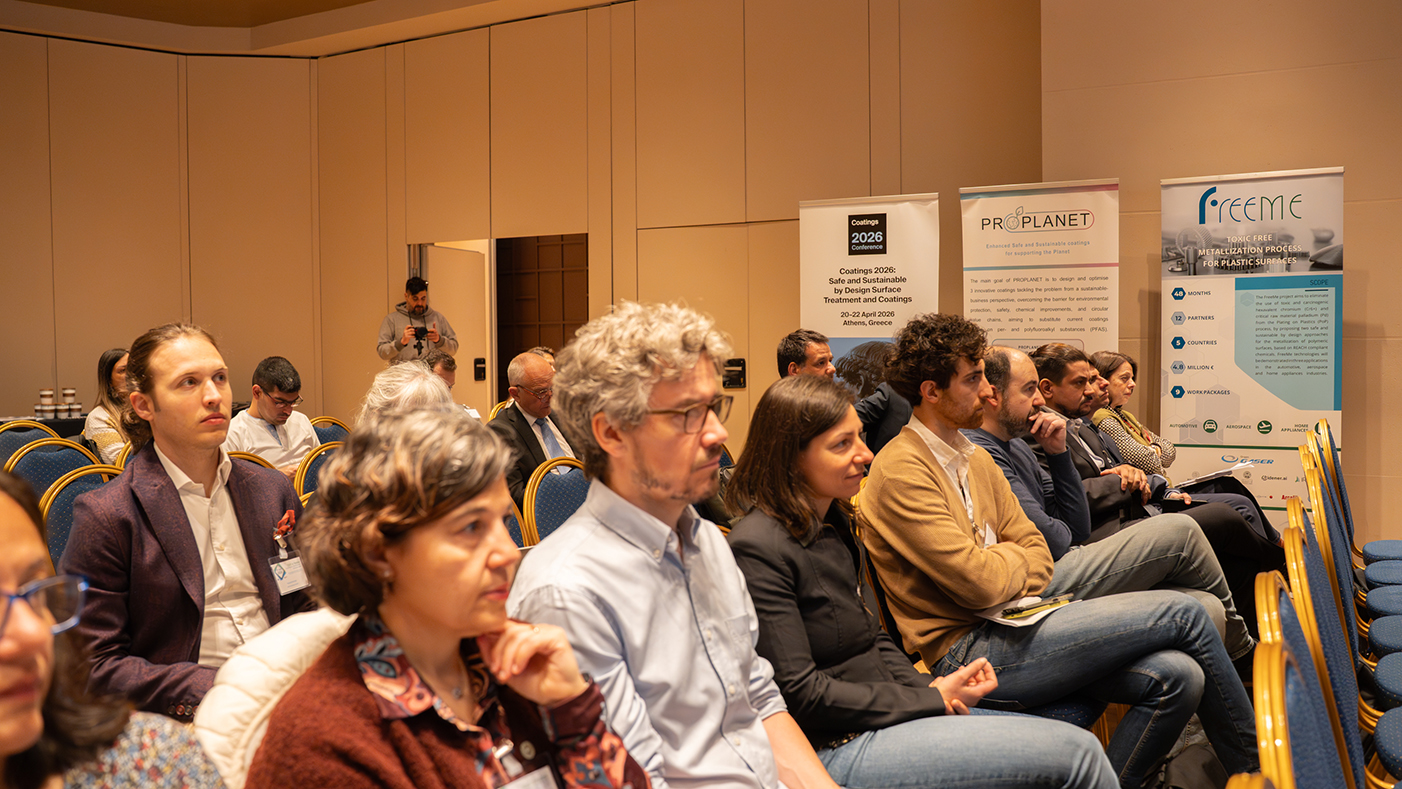
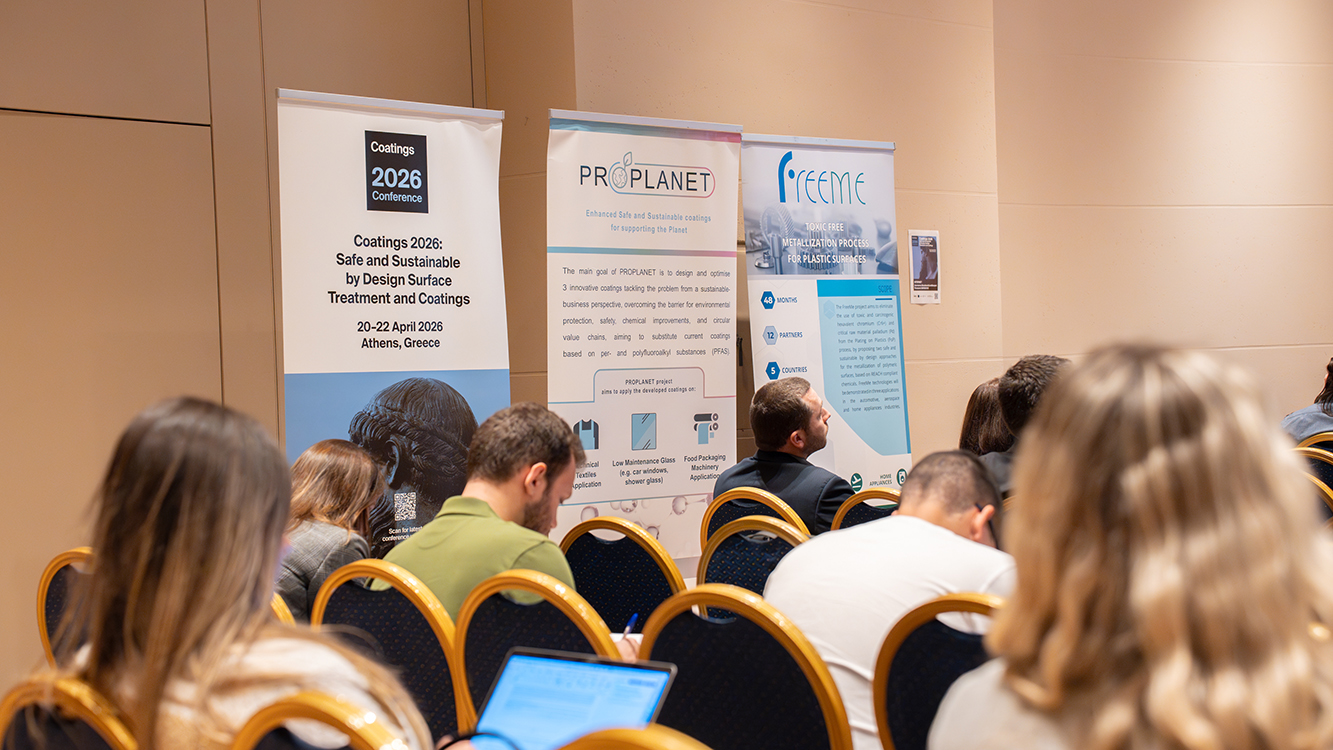
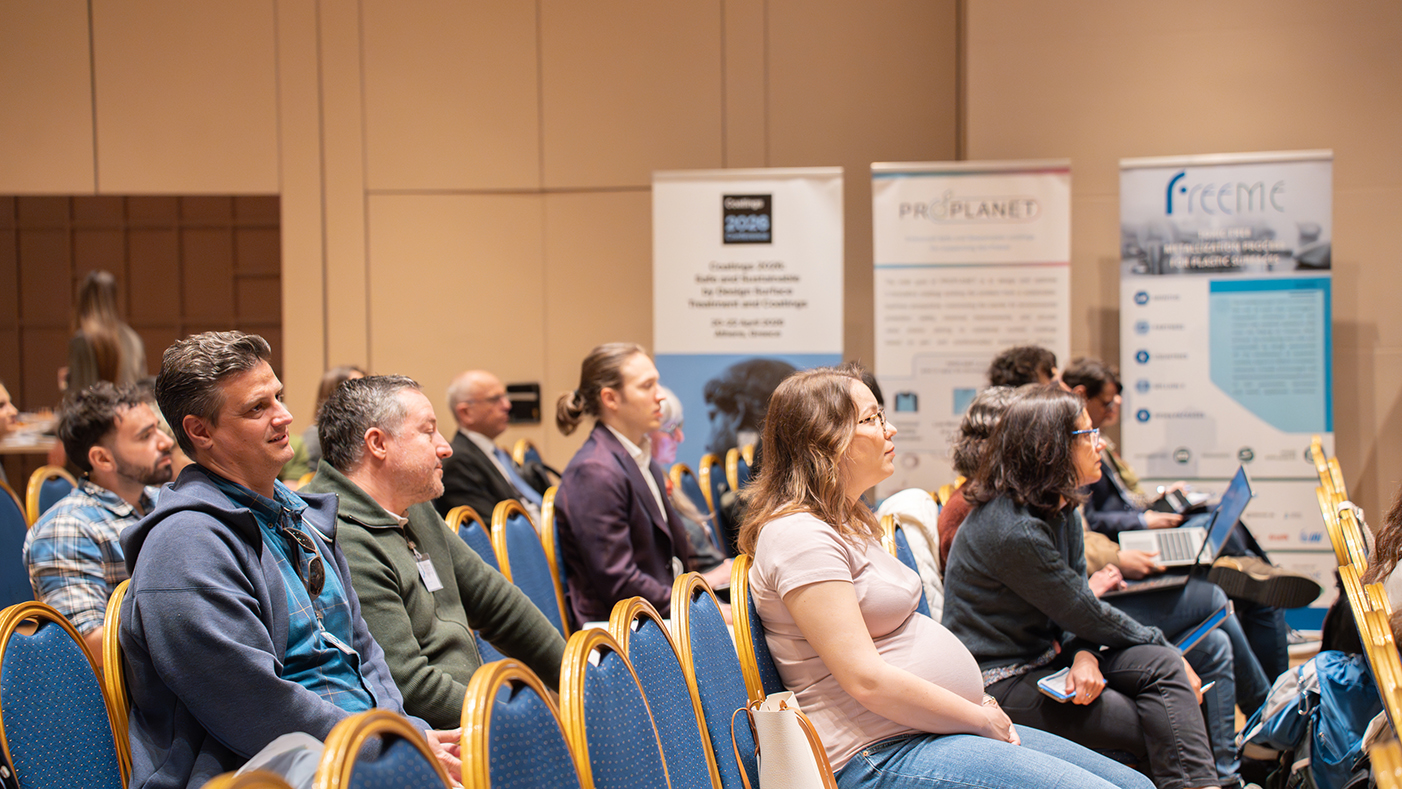
The event featured 18 presenters and attracted more than 140 registered participants from Europe, Asia, and Africa, demonstrating strong global interest in Safe and Sustainable by Design (SSbD). The audience included over 70 participants from industry, more than 20 from research and technology organisations (RTOs), and over 50 from universities, reflecting a well-balanced and highly engaged stakeholder community. The event was also organised with the support of the PROPLANET and FreeMe projects.

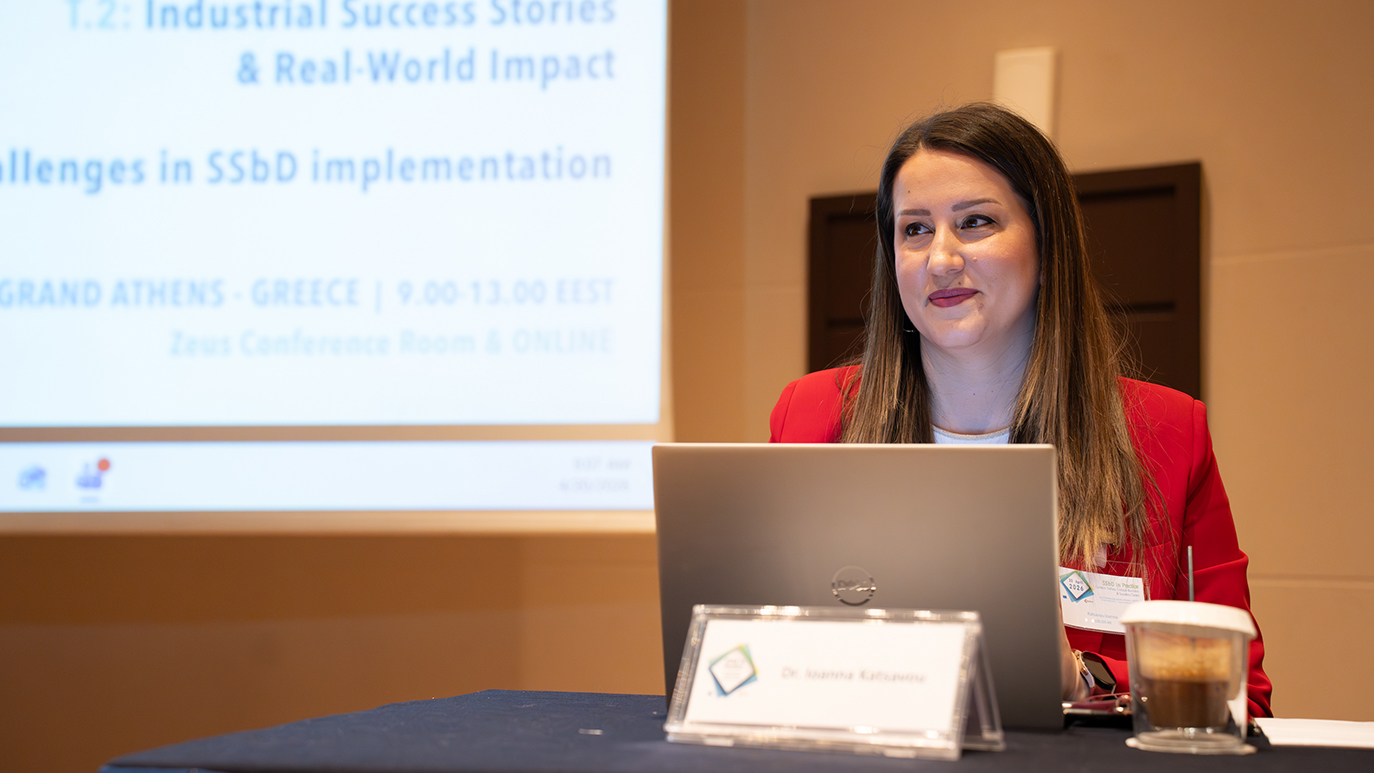
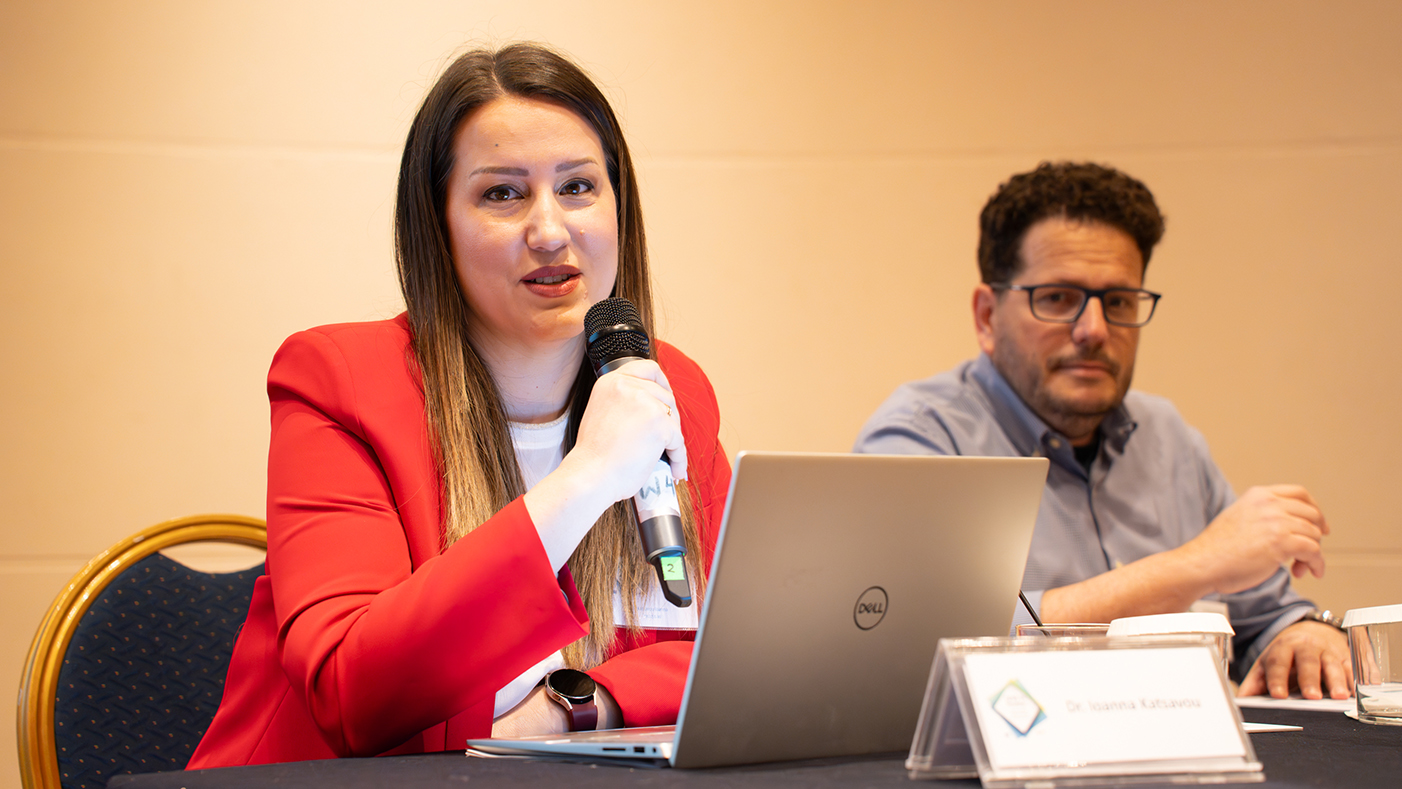
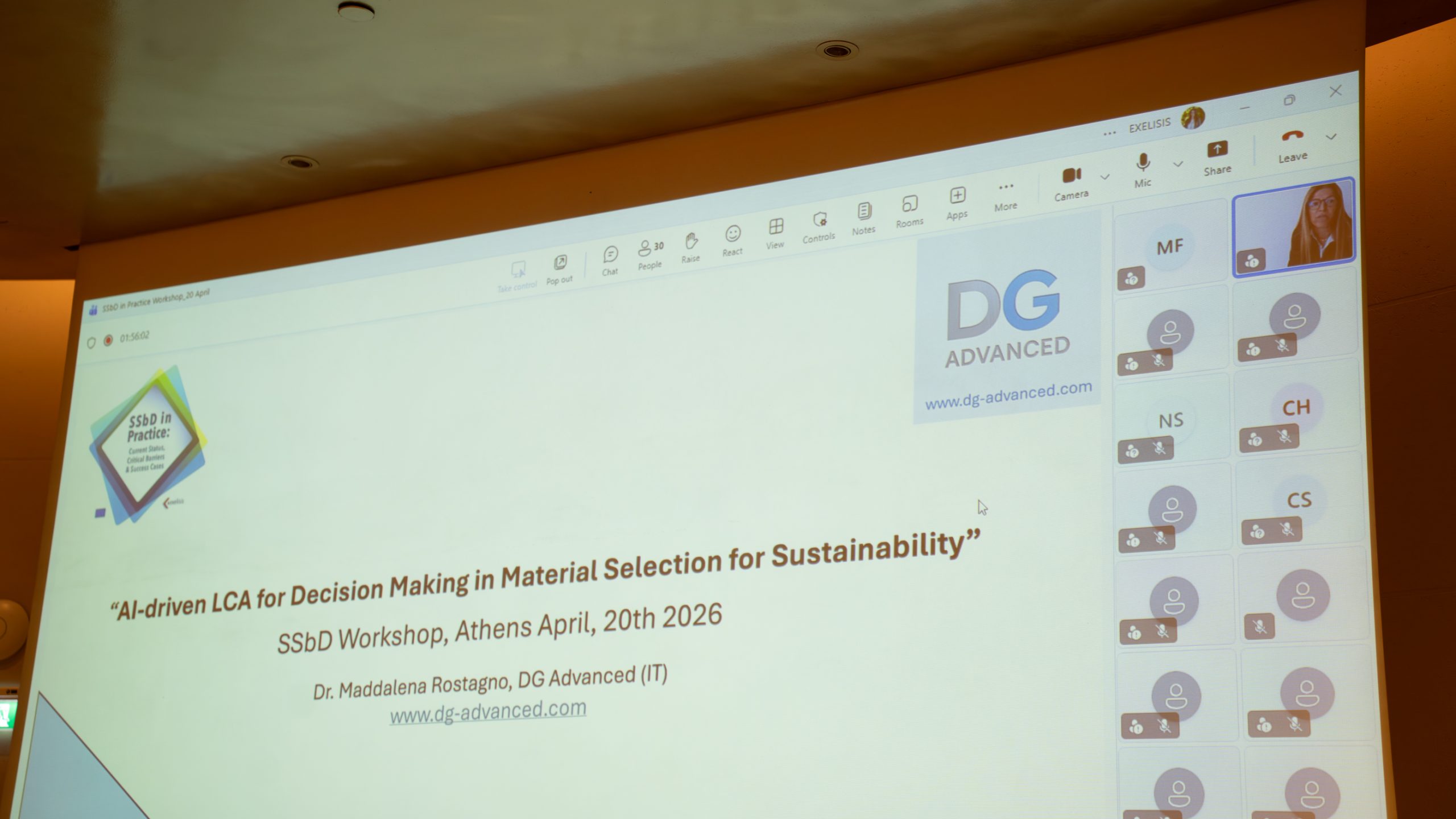
The programme featured three thematic sessions covering policy and regulatory aspects, industrial success stories, and R&D challenges, with contributions from academia, industry, and EU‑funded projects. Lively discussions and practical case studies showcased real‑world SSbD implementation and supported knowledge exchange across sectors.

Serving also as a platform for dialogue and collaboration, the workshop confirmed the relevance of SSbD as a key framework for sustainable innovation and reinforced the value of cross‑sector engagement in advancing safe and sustainable solutions.

SSbD 2026 Team

Sessions
and
Topics

SSbD Framework, Policy & Regulatory Readiness

This session explored the evolution of the Safe and Sustainable‑by‑Design concept, its core scientific principles, and its alignment with EU policy, regulatory frameworks, and Ecodesign requirements.

Industrial Success Stories & Real‑World Impact

This session showcased concrete industry‑led case studies demonstrating how SSbD principles are being applied across different sectors to deliver practical, real‑world impact.

R&D challenges in SSbD implementation

This session fostered an interactive discussion on research challenges, barriers, and future needs for translating SSbD from research into market‑ready and scalable solutions. Project representatives shared their views in a panel discussion.

Alexandros Katraouzos

President of the Hellenic Association of Chemical Industries board, CEO at NEOTEX S.A.

Georgios Katalagarianakis

PhD, Mining, metallurgy and mechanical engineer, Retired EC officer

Eugenia Valsami-Jones

Professor of Environmental Nanoscience at University of Birmingham, expert in Safe and Sustainable-by-Design (SSbD)

Apostolos Scarlatos

SustChem, Vice President, Regulatory & Sustainability Affairs, Hellenic Association of Chemical Industries (HACI), Deputy General Director

Marina Sofra

R&D Manager (VITEX S.A.)

Maddalena Rostagno

CEO at DG Advanced

Stavros Moschidis

Regulatory Affairs Manager (ISOMAT)

Aris Gorogias

QHSE Manager (Megara Resins Group)

Emanuele Grillo

(Tecnochimica S.p.A.)

Stelios Bikos

IRISS Project representative (Coordinator of SusChem Greece)

Mireille Poelman

BIO-SUSHY Coordinator (Materia Nova)

Mirco Valsecchi

Mirco Valsecchi, FreeMe project, R&D Manager (Gaser Group)

Prof. Luca Magagnin

MOZART Coordinator (Politecnico di Milano)

Raquel Rodriguez

Project Manager, TORNADO project coordinator (Tecnalia)

Electra Papadopoulou

Senior Researcher (CHIMAR)

Check out the recording!

You may find the video event video here